

NEW

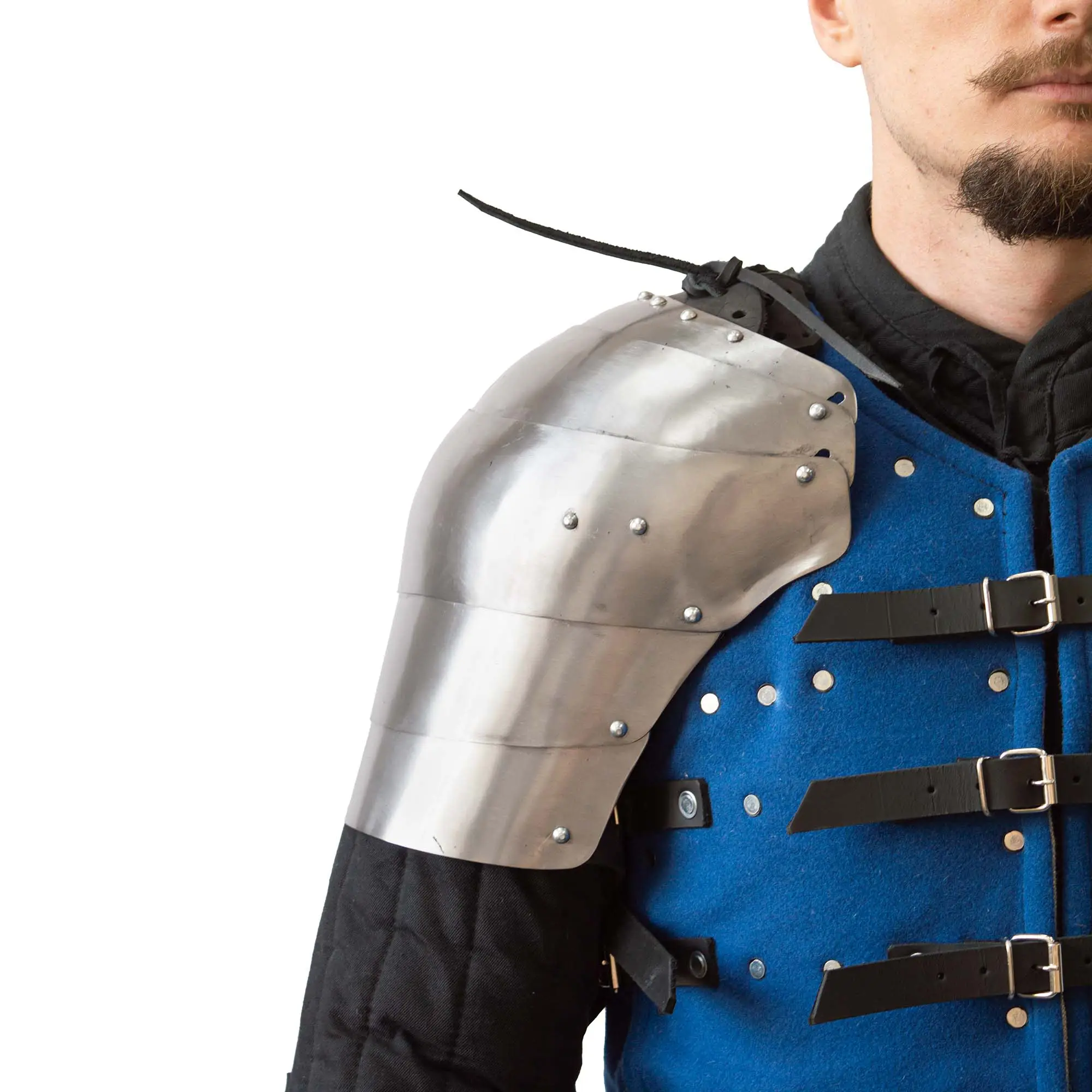
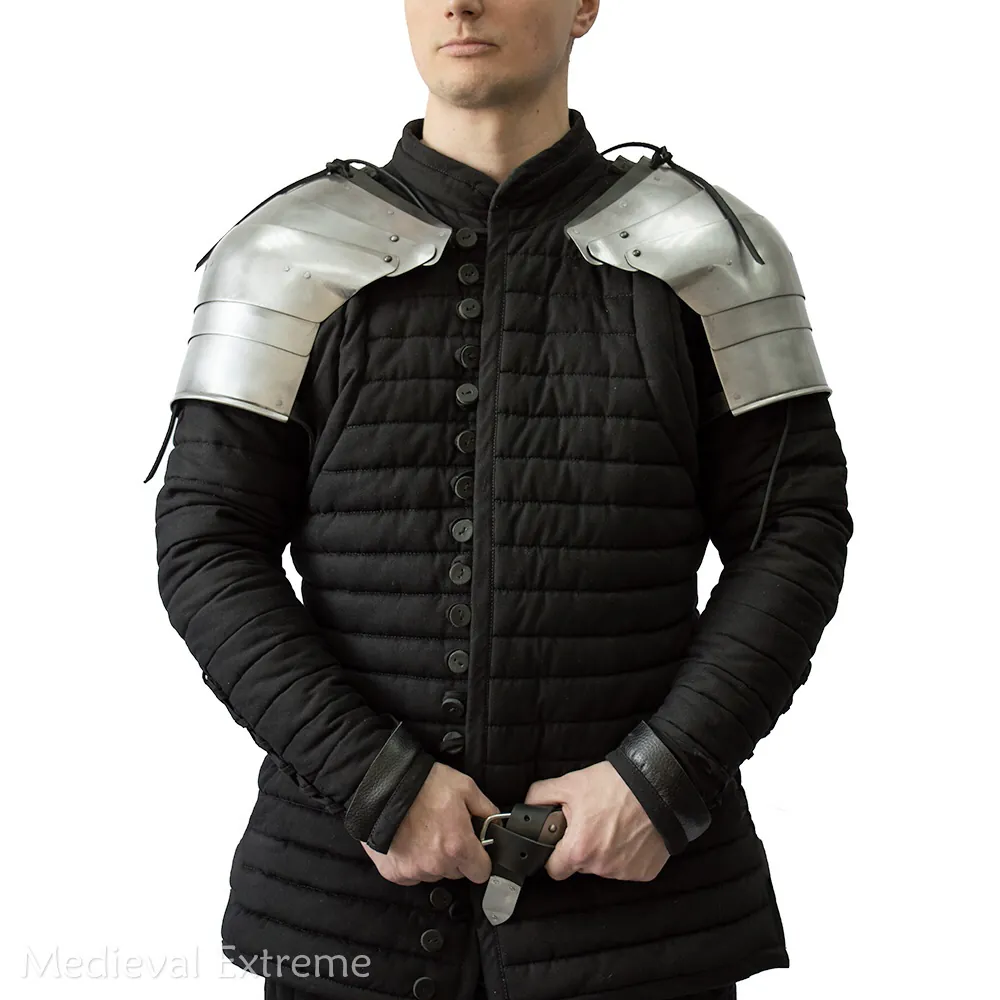
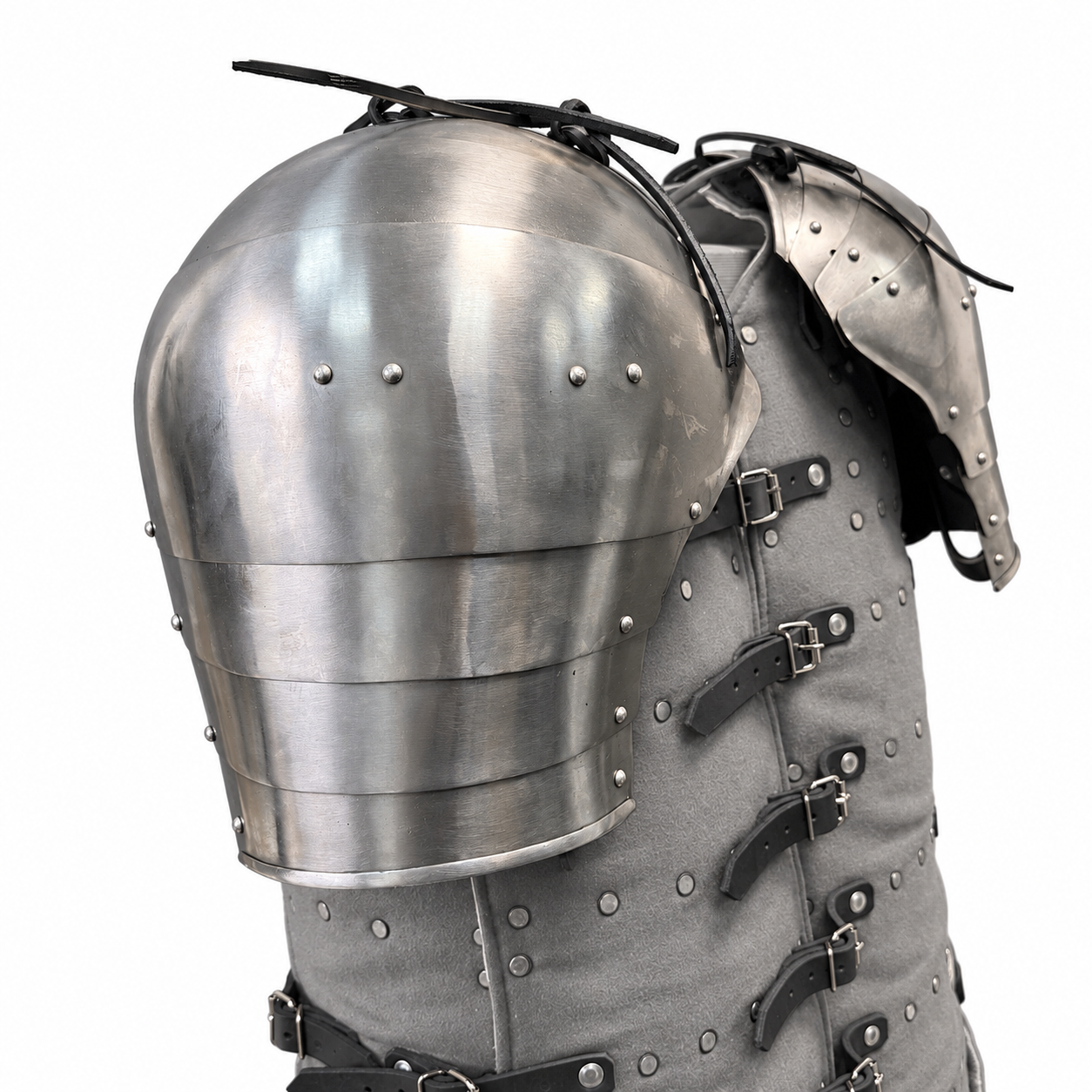
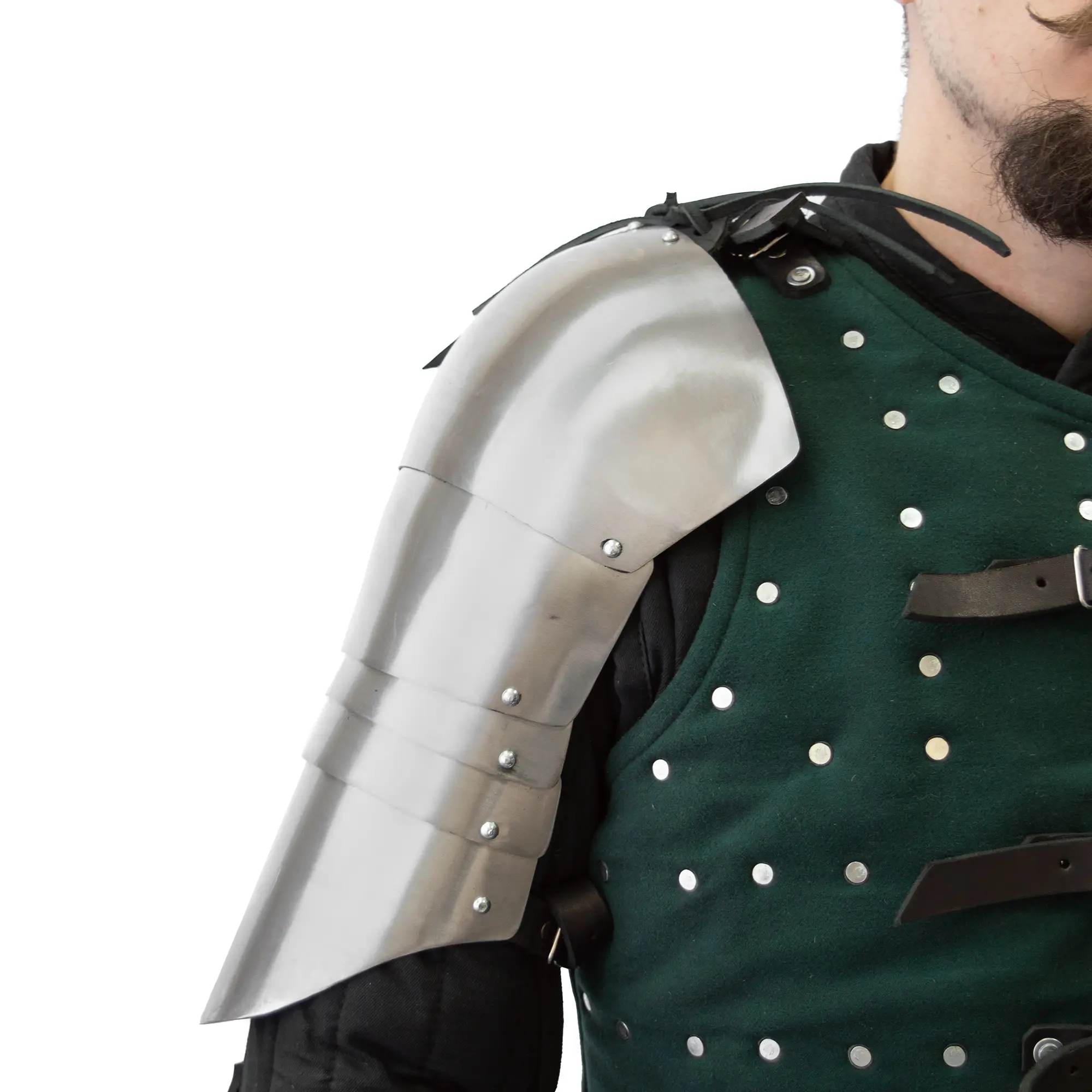
Medium 6 segmented pauldrons
$489
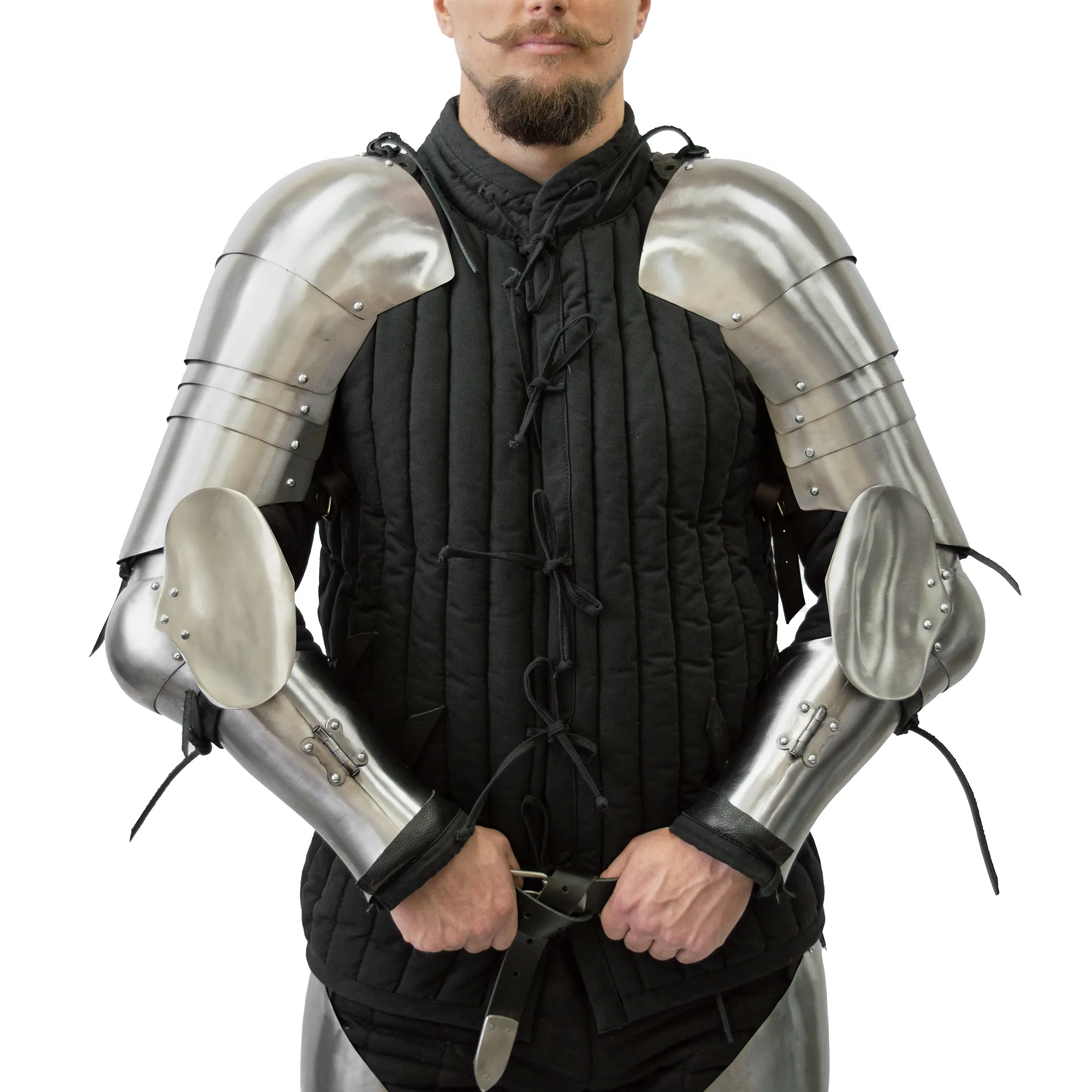
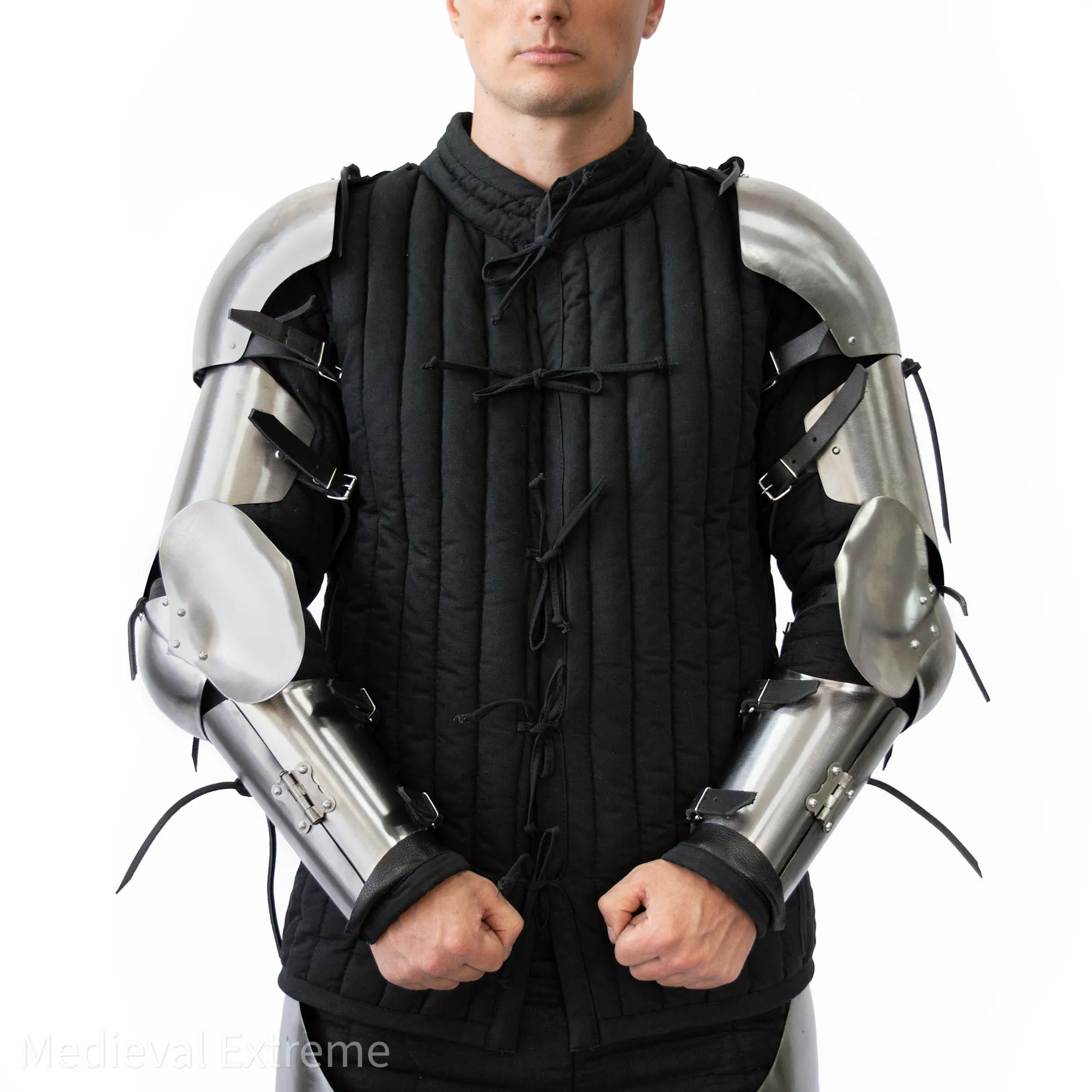
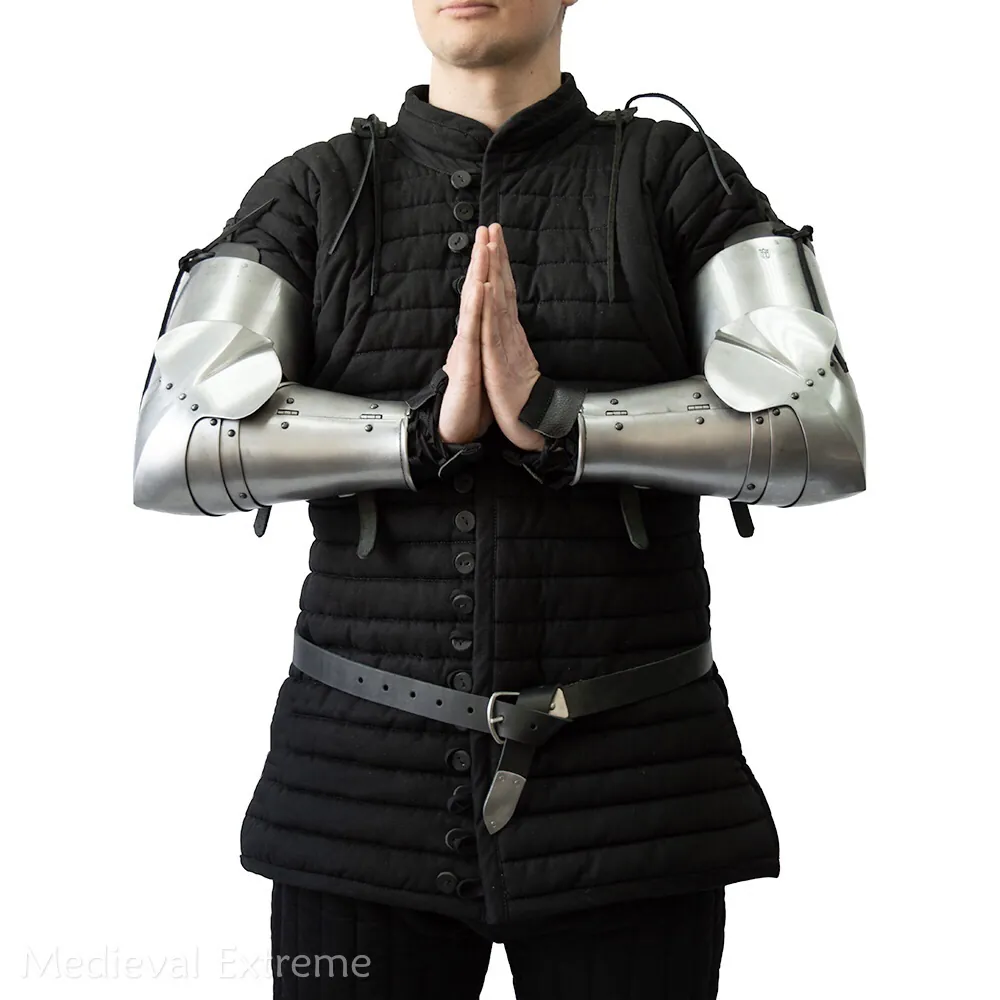
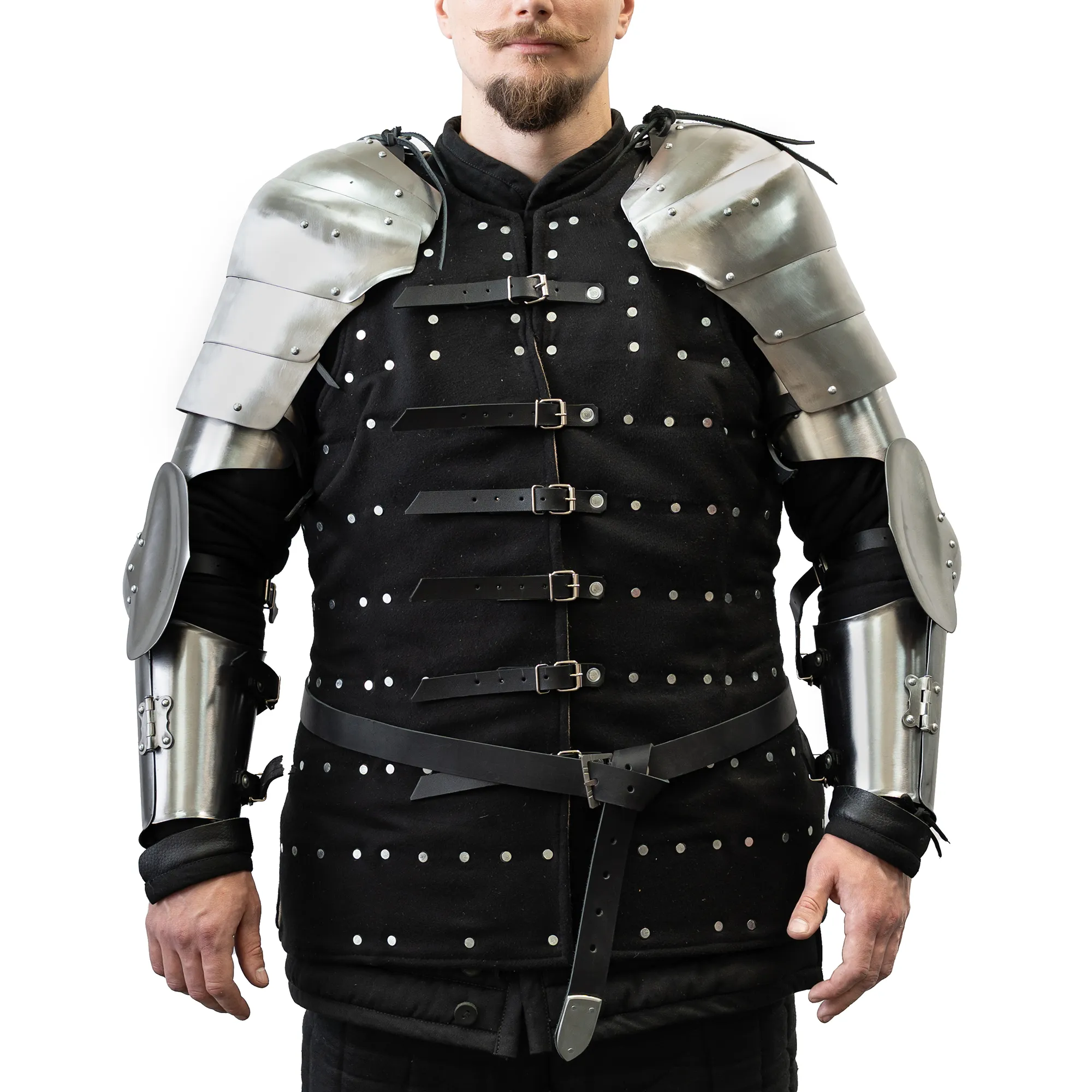
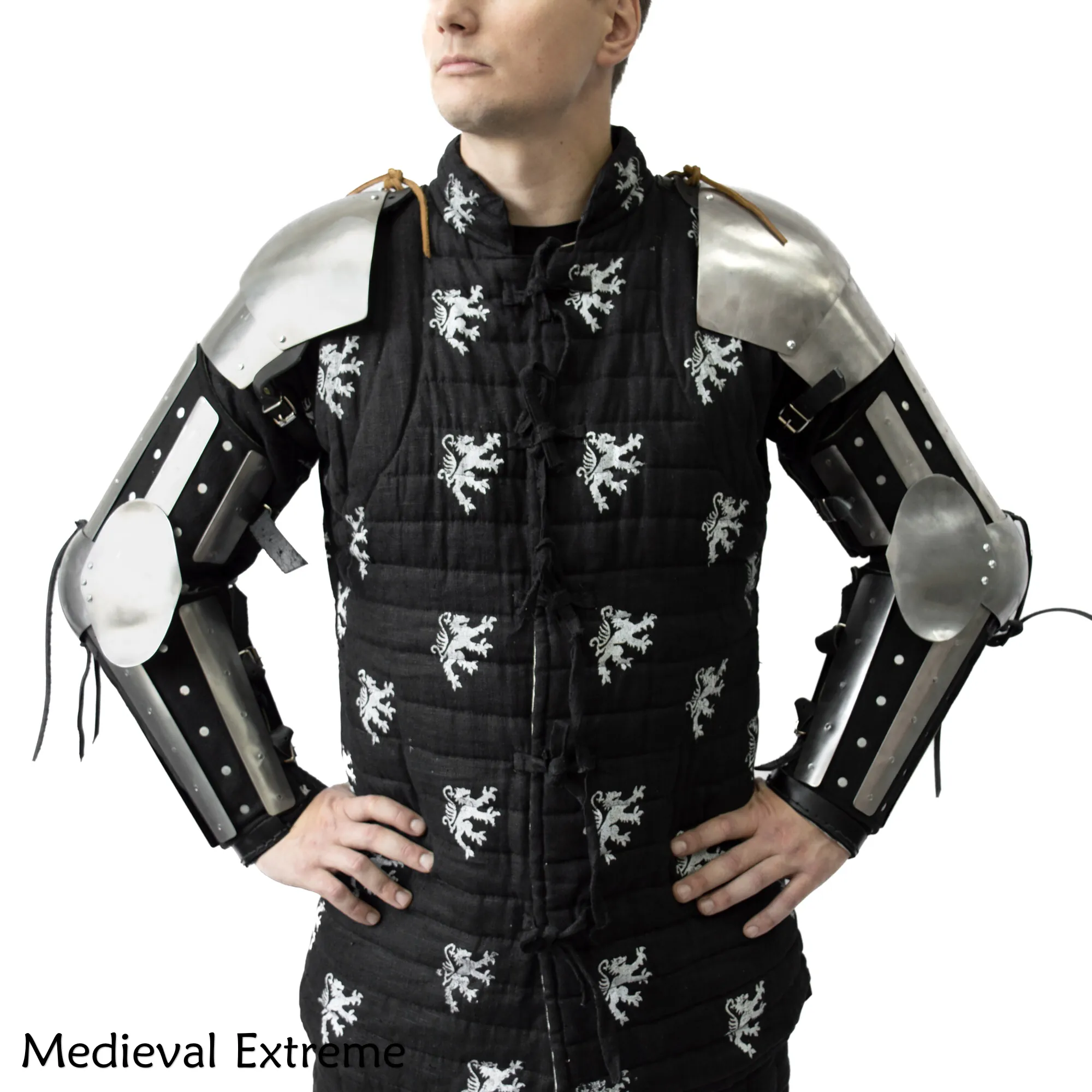
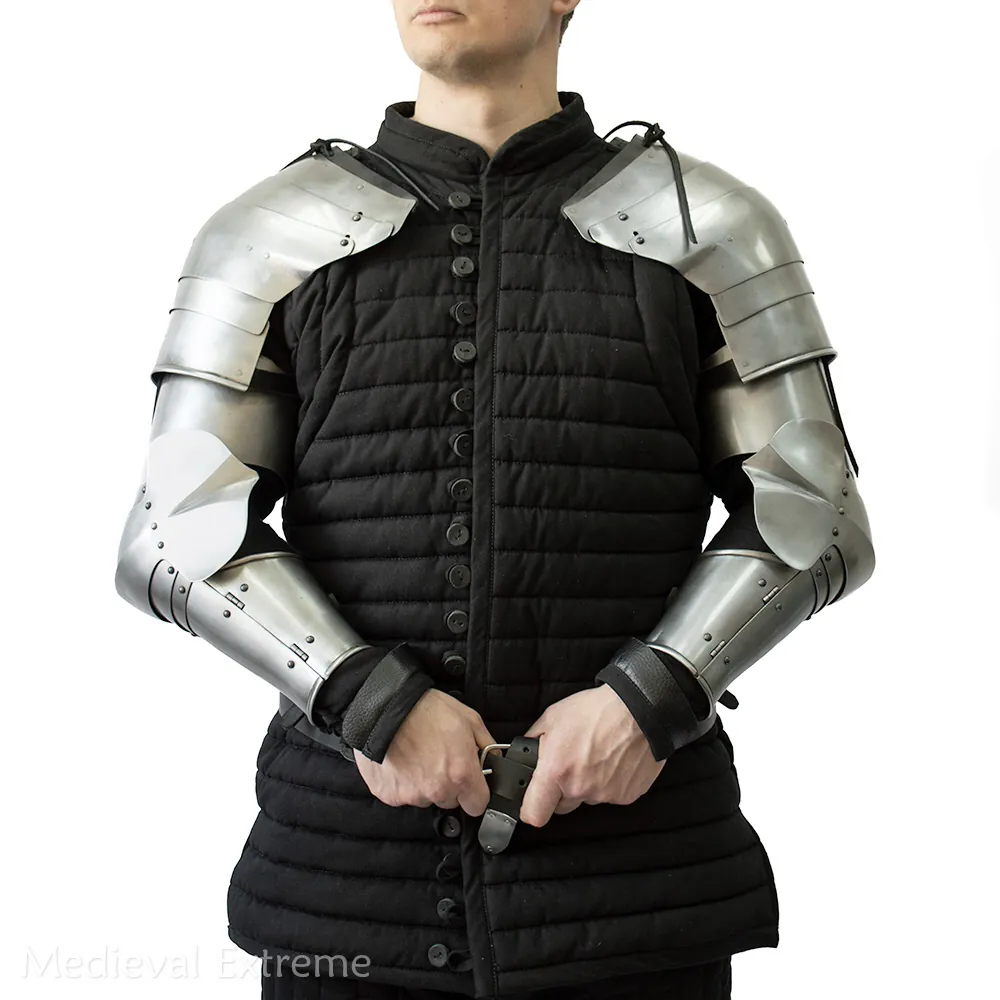
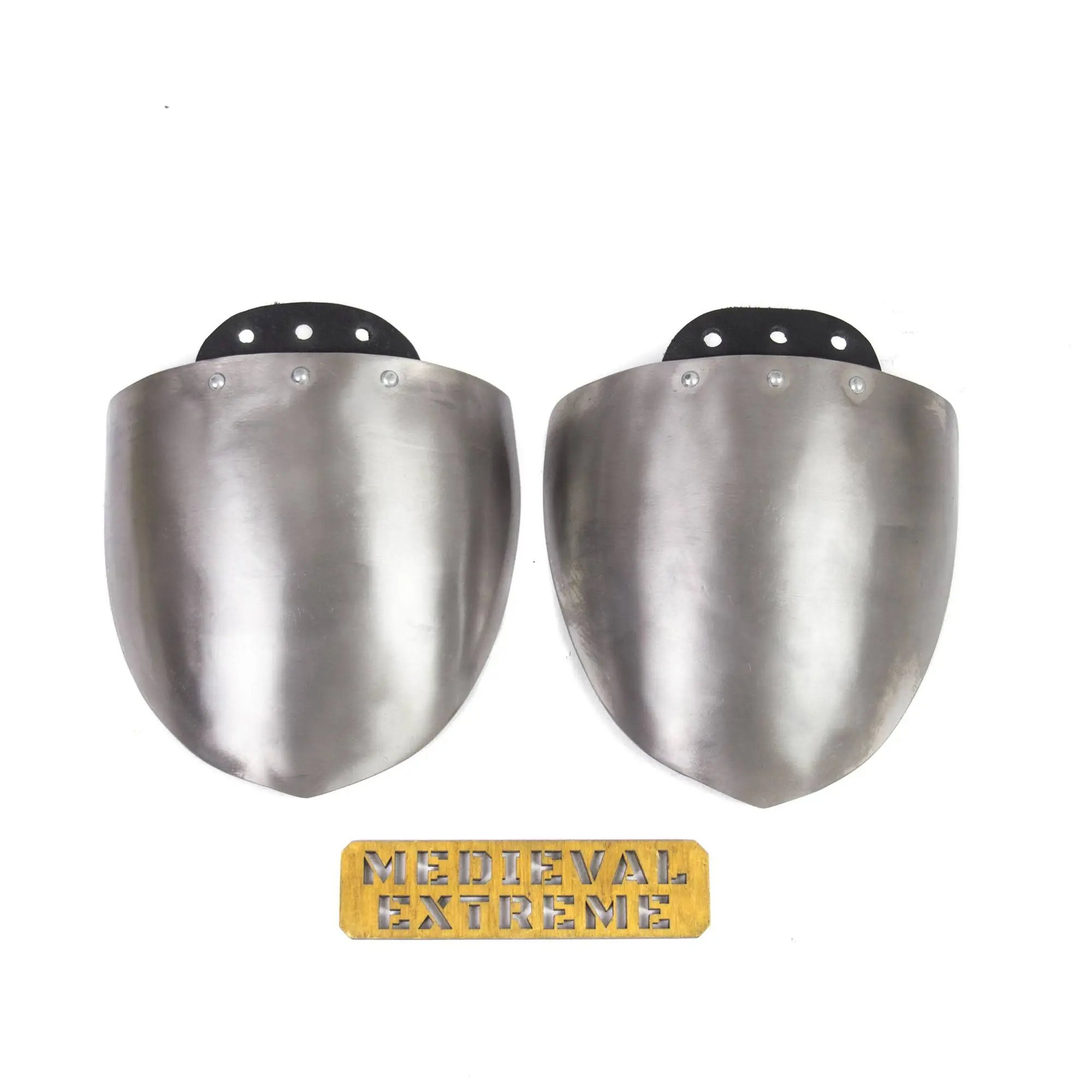
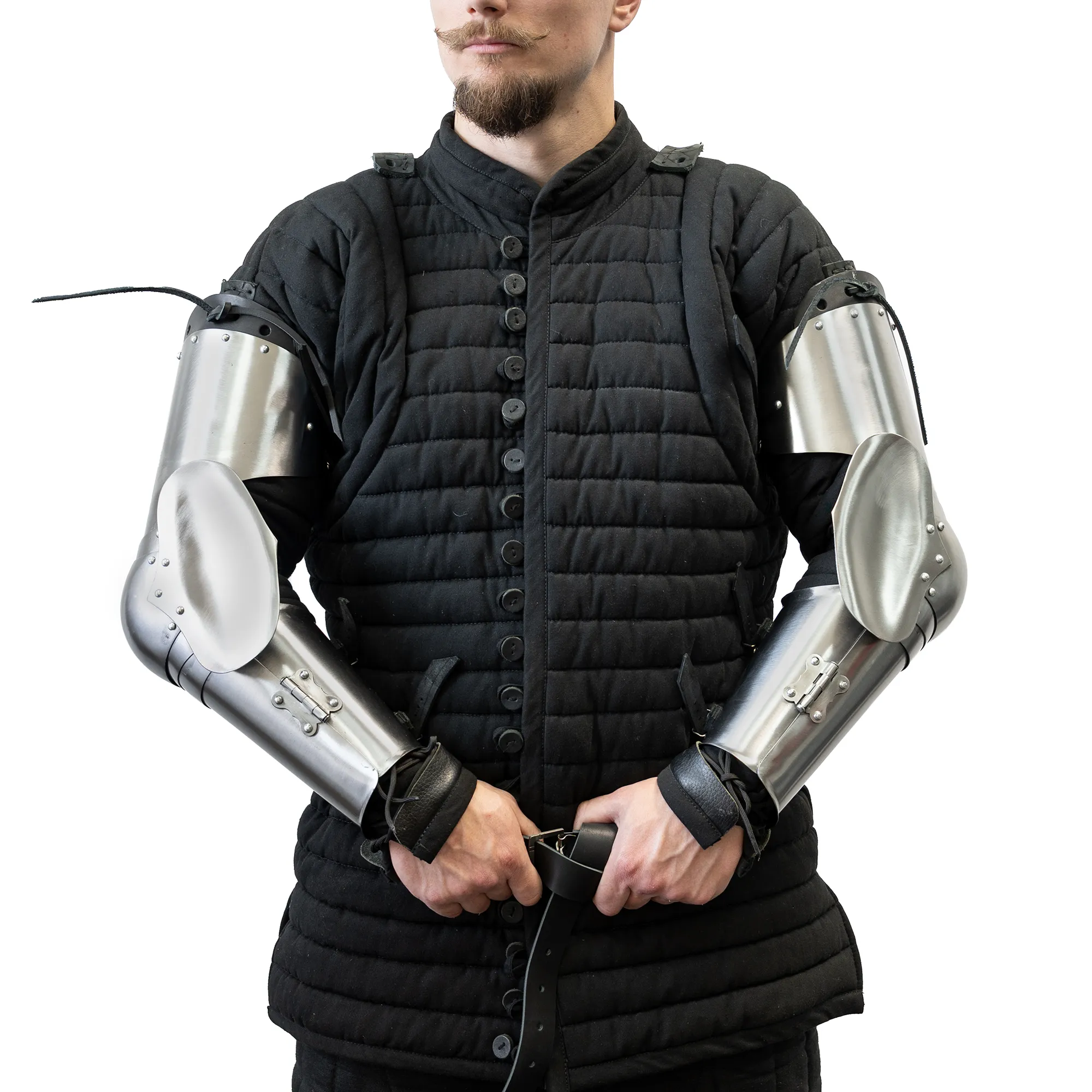
Introducing the arms protection category – hand-forged, anatomical armor from MedievalExtreme. Our armor is crafted with precision to fit your exact specifications, allowing you to choose between full arms or separate armor pieces such as shoulders, elbows, biceps, or vambraces.
16 items
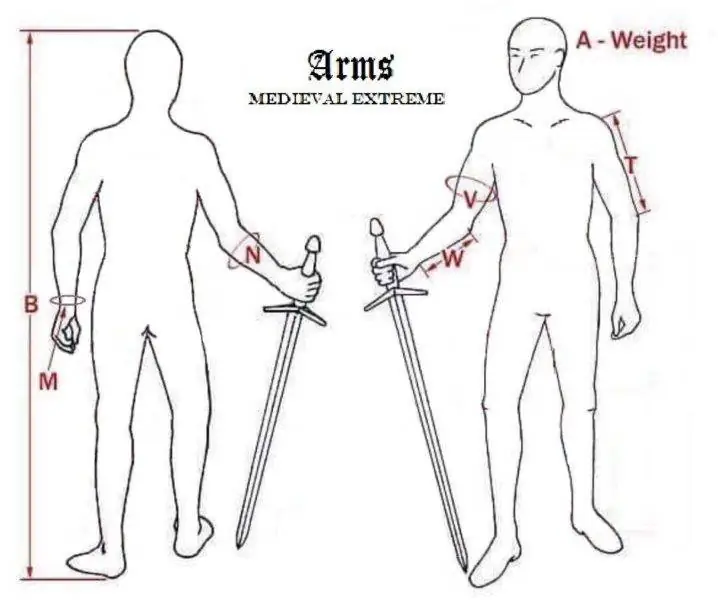
Clothing: Measurements should be taken wearing the gambeson you intend to wear with the armor. Sweaters or jackets will not accurately reflect the thickness of the gambeson and could lead to ill-fitting armor.
Bare Arms: If you are ordering both arms and padding together, measuring your bare arms is acceptable. However, please clearly indicate on the measurement sheet that the measurements are for bare arms.
Measurements: Take all measurements with a flexible measuring tape, snug but not tight.
Additional Notes:
A. Weight: Measure your weight in kilograms or pounds.
B. Height: Measure your full height from head to toe.
M. Wrist Circumference: Measure above the gambeson, not on top of any leather straps.
N. Forearm Circumference: Measure the fullest part of the forearm.
V. Bicep Circumference: Measure the fullest part of the bicep, slightly flexed.
W. Forearm Length: Measure from the wrist joint to the tip of the elbow.
T. Shoulder Length: Measure from the point where the shoulder meets the neck to the tip of the elbow.
On the battlefield, medieval warriors faced no one threat—from slashing swords to crushing maces. Thus, armor for arms is prominent not just for survival but also for unleashing fighting capability. A knight with injured arms would quickly lose the ability to wield weapons or defend themselves with a shield. Well-designed arms armor is also required to ensure flexibility and allow them to swing weapons and maneuver in battle without restriction.
Knight arm armor were critical in sword fights and close-quarter combat—the forearms and elbows frequently encountered direct strikes as warriors raised their arms to attack or block incoming blows. This way, it led to the development of advanced arm protection systems that covered from shoulder to wrist.
One of the simplest forms of arm protection appeared with vambraces, which protected the forearm from wrist to elbow. As metallurgy advanced, more complex pieces were designed. Rerebraces protected the upper arm, but counters particularly guarded the elbow joint. The most effective designs integrated all these parts into a complete arm harness—articulated plates allowed seamless movement and supplied protection.
Buhurt enthusiasts and reenactors must consider multiple factors to decide on arms armor—you need an optimal match. Armor pieces that’s too loose could shift when you move, and overly tight pieces restrict blood flow and mobility.
Regardless of display, buhurt competition, or just learning, arm armor medieval-themed continues to fascinate the modern audience. The combination of practical protection and artistic beauty represents the pinnacle of medieval craftsmanship.


Jared J (verified owner) –
I’ve had mine for 2-3 years now, the hol up still like new, can take a chop from a 2 handed, and still hold together well.
Remember your armor is only as good as you keep up with maintenance and care.
10/10 would recommend
Anonymous (verified owner) –
Gage Kyle (verified owner) –