

NEW

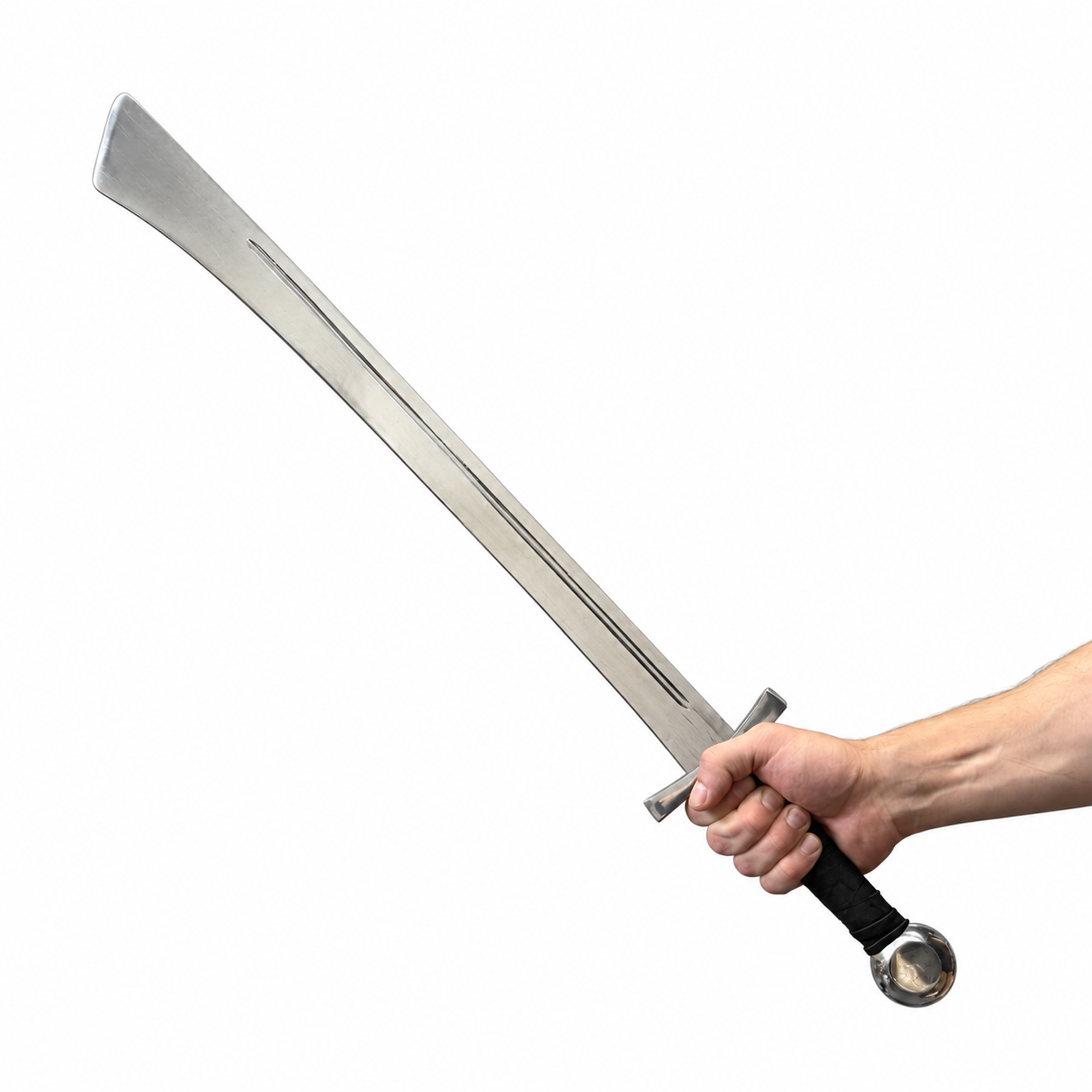
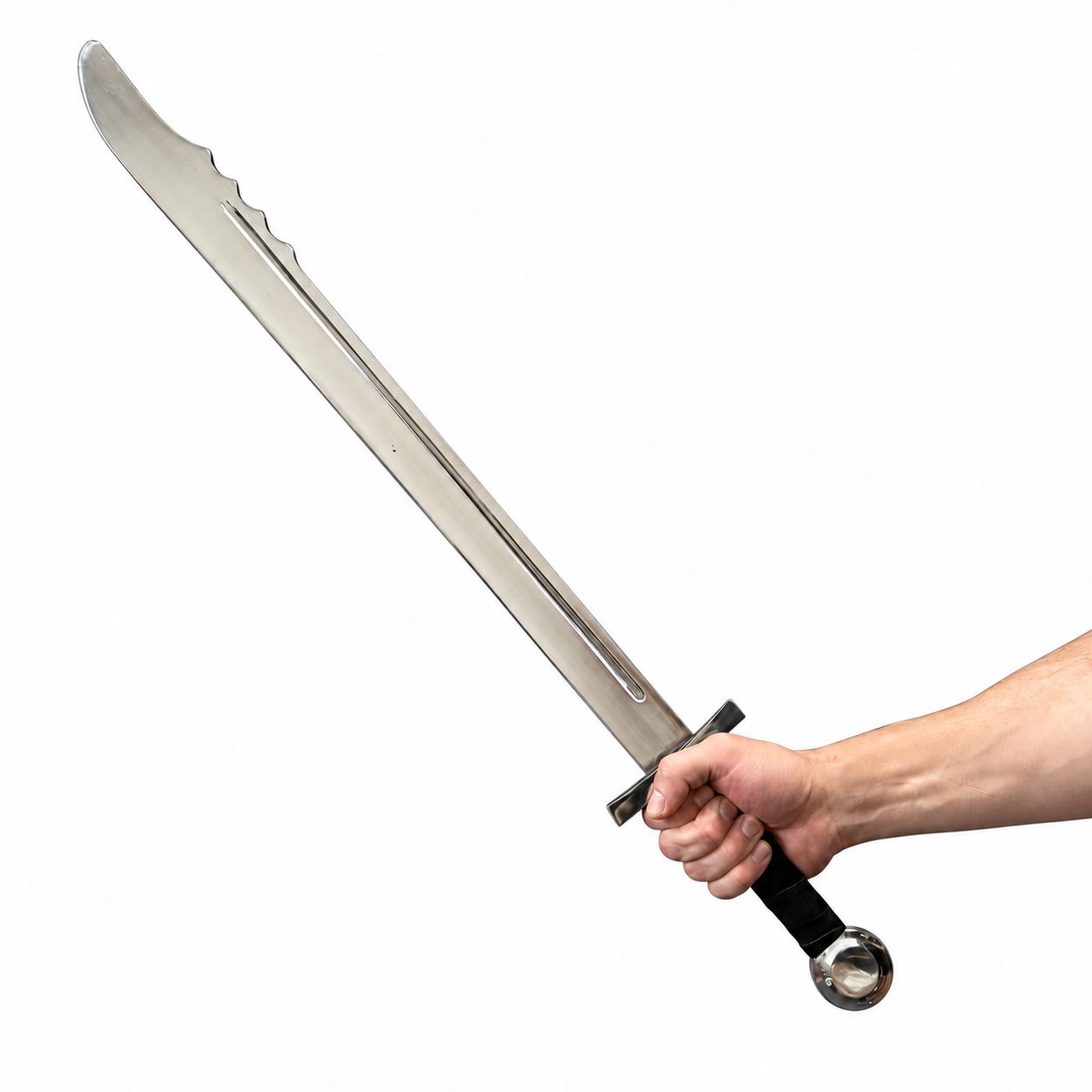
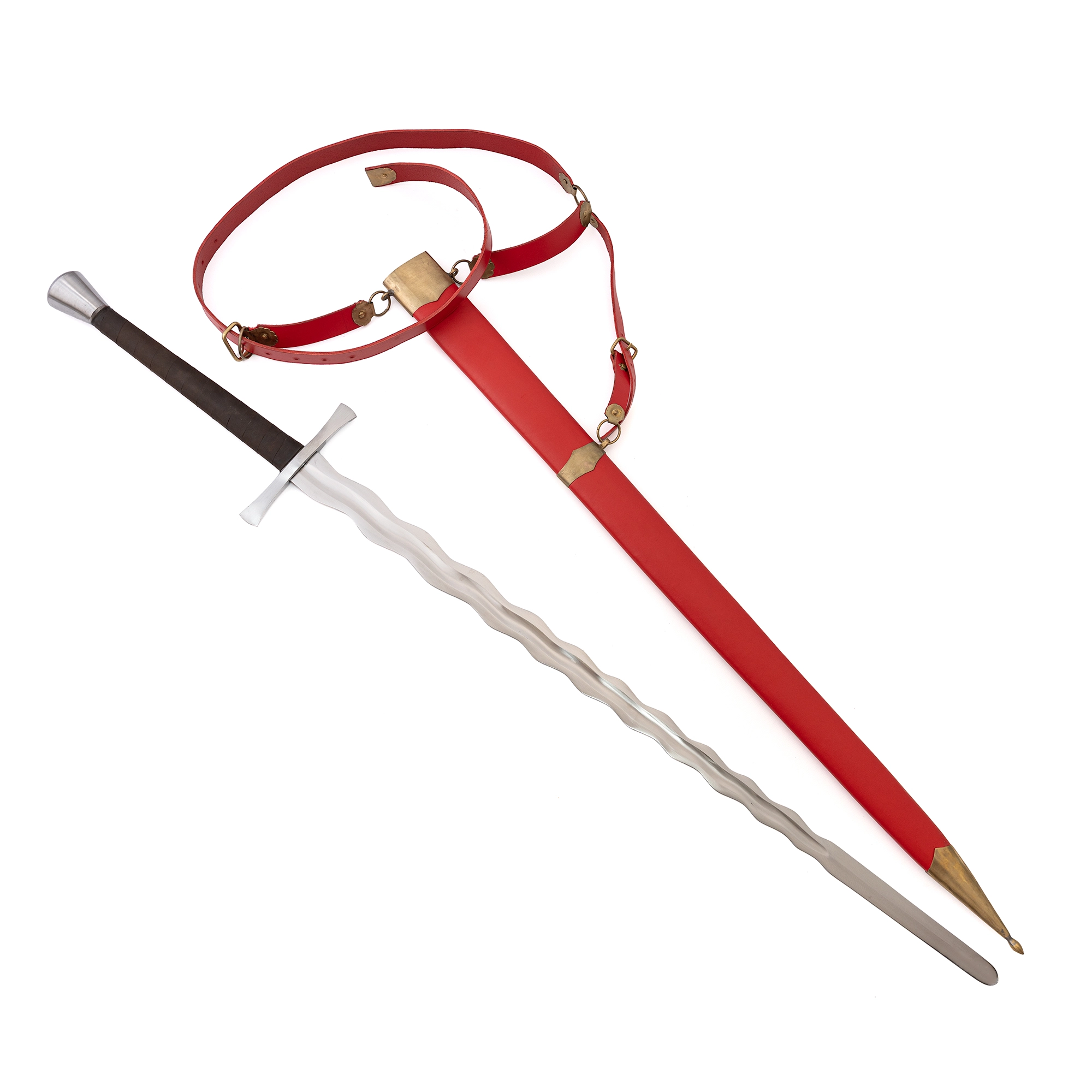
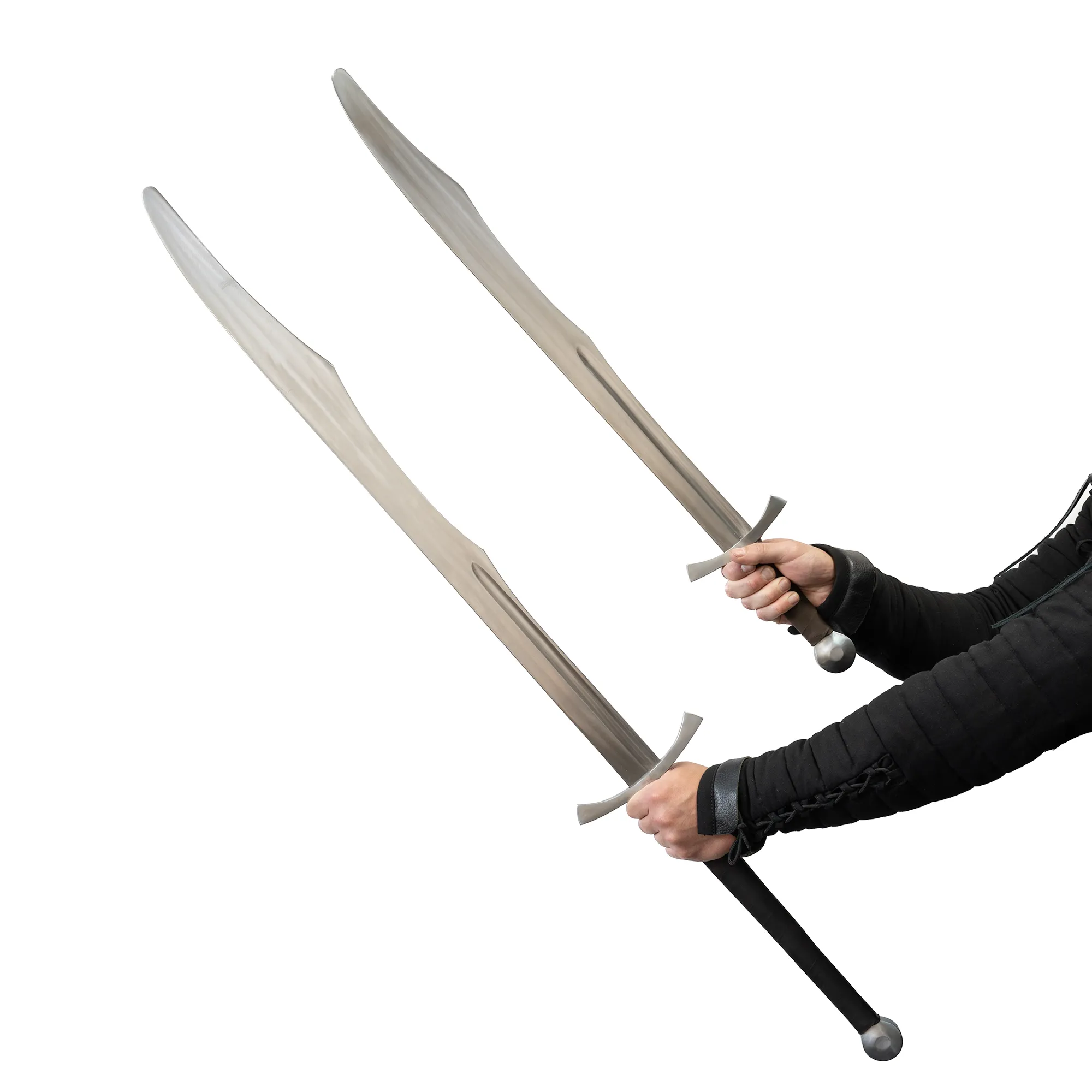
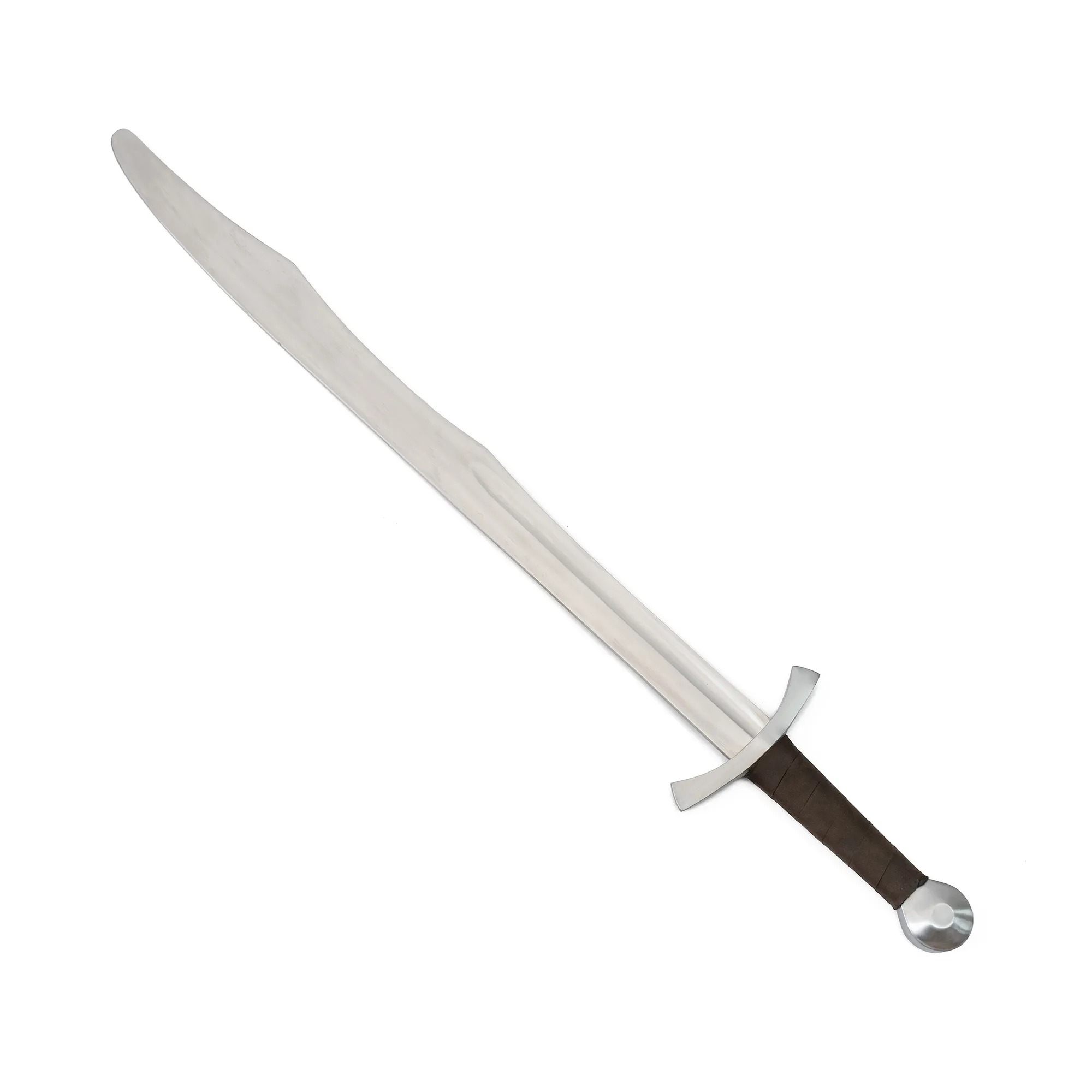
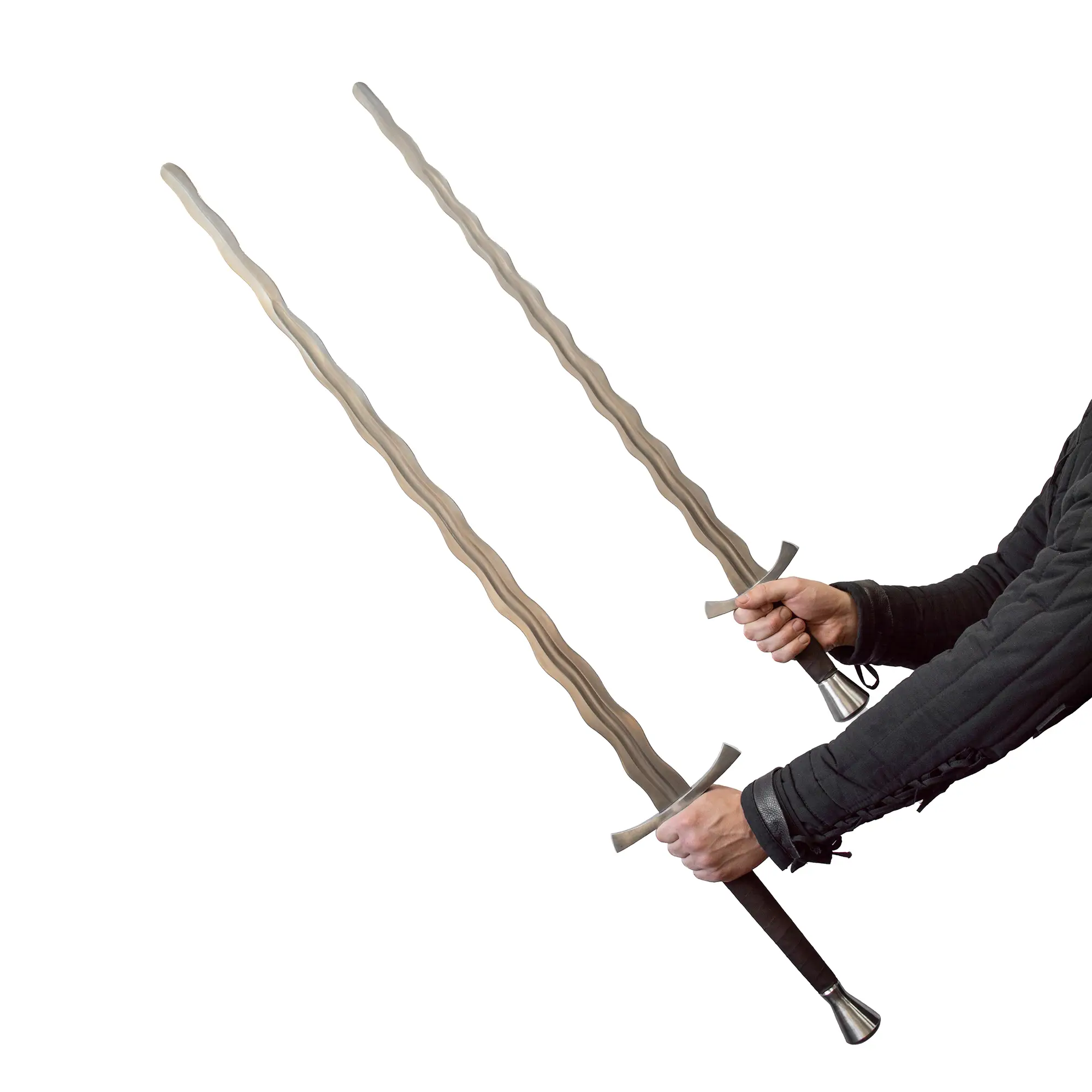
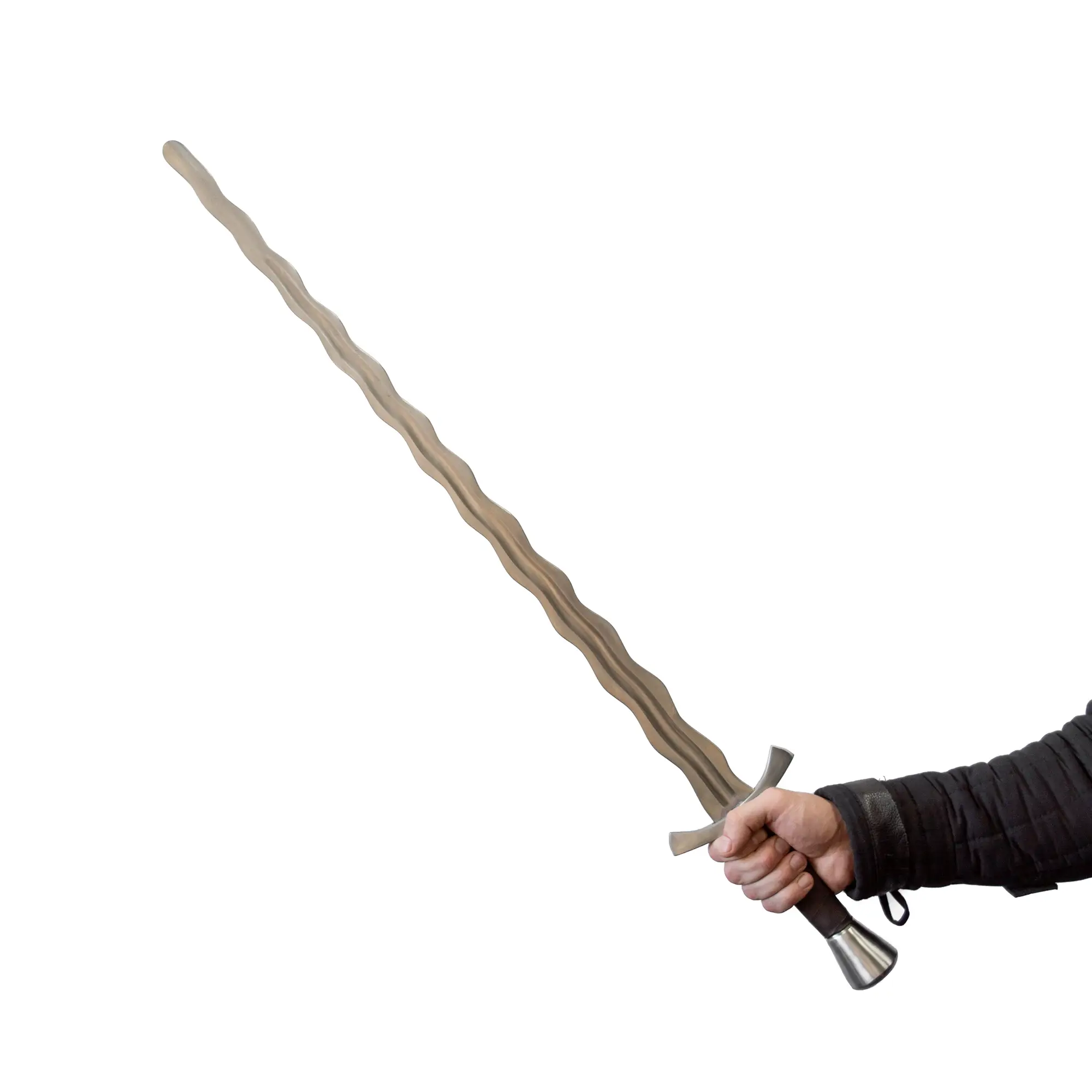
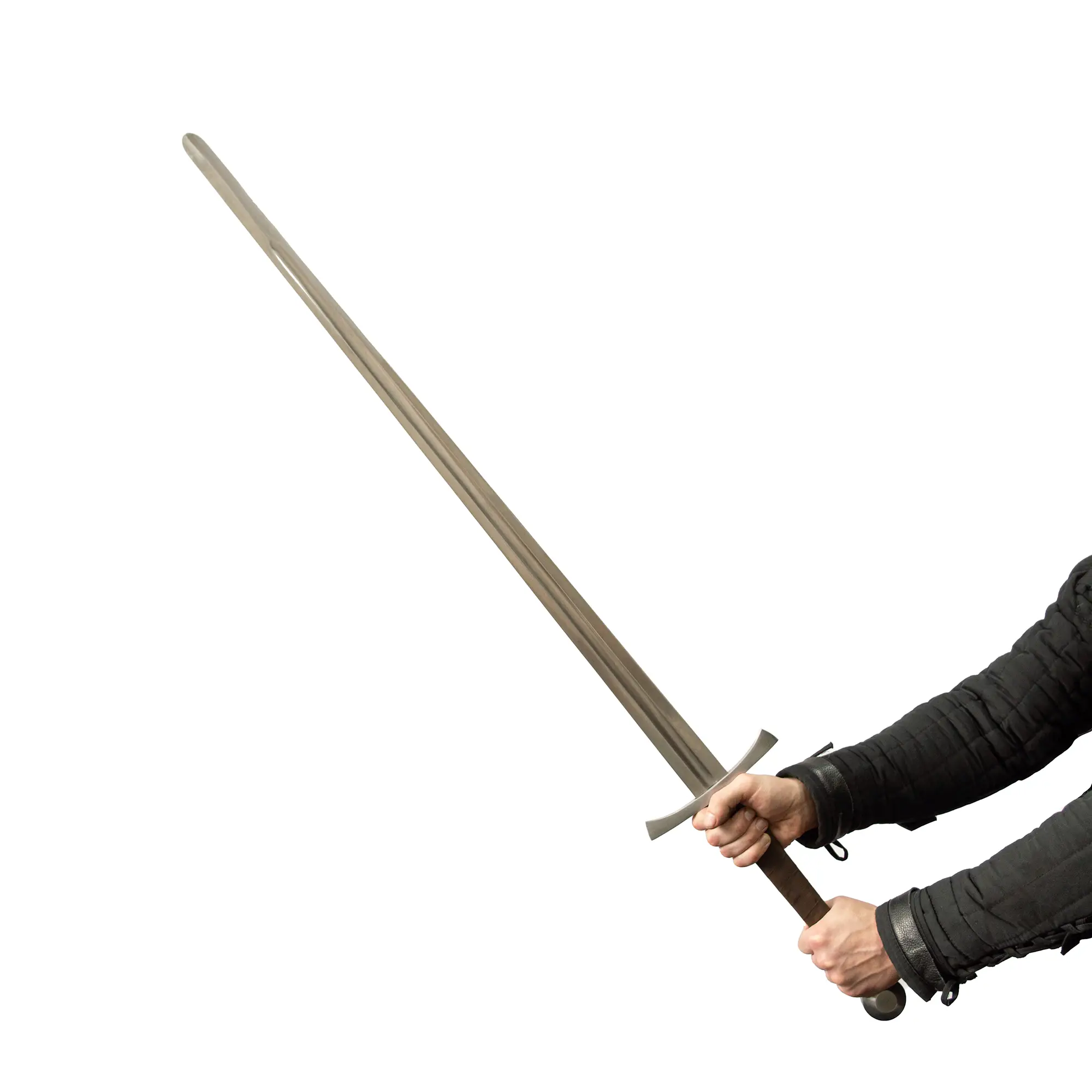
Two-Handed Saber with Scabbard for Armored Combat
$959
83 items
[1 in stock]
[2 in stock]
[3 in stock]
[3 in stock]
[6 in stock]
[4 in stock]
[4 in stock]
[4 in stock]
Yes. Duel categories have specific weapon requirements. Sword and shield or sword and buckler duels use Type 1 bladed weapons, longsword duels use Type 2 bladed weapons, and polearm duels use approved Type 3 or Type 4 hafted weapons. Melee categories such as 5v5 and mass battles permit a broader selection of historically documented weapons. Always check the current tournament rules because a weapon accepted for one category may not be permitted in another.
For duels, a one-handed sword is a good starting choice because it offers predictable balance and helps develop distance, defense, and accurate striking. For melees and mass battles, swords are less practical because their blades may be heavily damaged by polearms and repeated weapon collisions. A basic falchion is often a more durable and versatile option. Fighters who prefer close-range wrestling may find a compact mace or axe more suitable, provided it meets the requirements of their category.
The radius of every striking and non-striking edge must be more than 10 mm. Bladed weapons must also have an edge thickness of at least 2 mm. Sharp corners are prohibited, and every point along the striking edge of an axe or other hafted weapon must form an angle greater than 90 degrees. Meeting these measurements does not guarantee approval if the weapon is damaged, poorly balanced, or otherwise considered unsafe.
Permitted buhurt weapons include blunt swords, falchions, longswords, axes, long axes, maces, glaives, halberds, and other approved polearms. Each weapon must match an accepted category, historical source, weight range, and size limit. All striking and non-striking edges must be rebated. The sharp, pointed, or stabbing-only weapons such as spears are prohibited. Every weapon must pass the tournament inspection before entering the list.
Medieval weapons for buhurt are functional steel weapons designed for full-contact fighting against armored opponents. Unlike decorative replicas, tournament equipment requires a blunt blade or striking surface, rounded corners, secure construction, and controlled weight. Every weapon must comply with the rules of its specific competition, historical period, and fighting category. MedievalExtreme offers weapons for training, duel formats, team melee, and mass battles.
Legal buhurt weapons must pass technical inspection before entering the list. Inspectors check the weapon’s dimensions, total weight, edge radius, point shape, and overall condition. Sharp, cracked, rusty, loose, or dangerously pointed equipment can fail inspection. Hafted weapons also require a strong handle and a securely attached head. The permitted specifications vary between swords, axes, maces, falchions, and polearms, so always confirm the current tournament rules before ordering or competing.
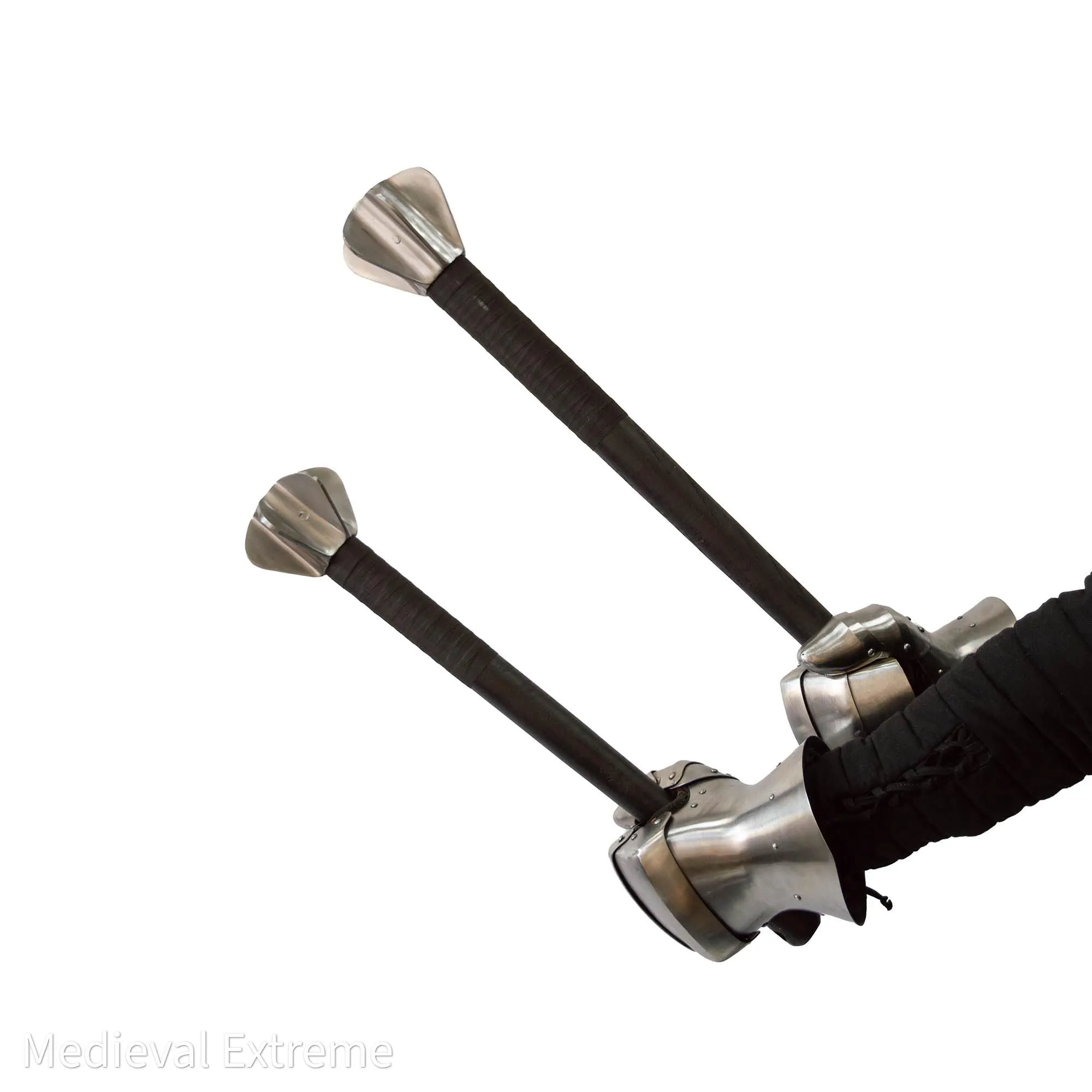
A well-designed weapon must provide more than basic compliance. Correct balance improves control, reduces unnecessary fatigue, and helps the fighter recover after each strike. The grip should remain secure when used with armored gauntlets, while the length must match the fighter’s reach, technique, and chosen discipline.
MedievalExtreme offers buhurt swords in one-handed, hand-and-a-half, longsword, and two-handed configurations. Swords provide adaptable reach and control for several fighting formats. Battle axes deliver powerful strikes and are available in shorter one-handed and longer two-handed designs.
Maces combine compact dimensions with concentrated impact and are practical for close melee exchanges. Falchions offer a forward-weighted blade and distinctive handling, with both one-handed and two-handed options available. Halberds, shiftaxes, and long axes provide extended reach for fighters experienced with polearms. The assortment also includes weapon bundles and dedicated training swords.
For a duel category, prioritize precise handling, predictable balance, and specifications accepted for that discipline. One-handed swords work with shields or bucklers, while longswords and polearms suit dedicated duel formats. For 5v5 and mass melee, consider available space, team role, reach, grip security, and the ability to control the weapon around several fighters.
Beginners should select a manageable weapon that supports correct technique instead of choosing maximum length or weight. Training with an experienced club before ordering helps identify the most suitable grip, balance point, and weapon category.
Clean moisture and dirt from the steel after every session. Apply a light protective oil, inspect the edge for dents or burrs, and check the grip, guard, pommel, haft, rivets, and head attachment. Never sharpen a combat weapon. Repair or replace damaged equipment before the next inspection.
MedievalExtreme workshop guidance: “A tournament weapon should remain blunt, secure, balanced, and predictable throughout every exchange.”
Choose battle-ready medieval weapons from MedievalExtreme’s Ukrainian fighter-led workshop and order tested designs with worldwide shipping.

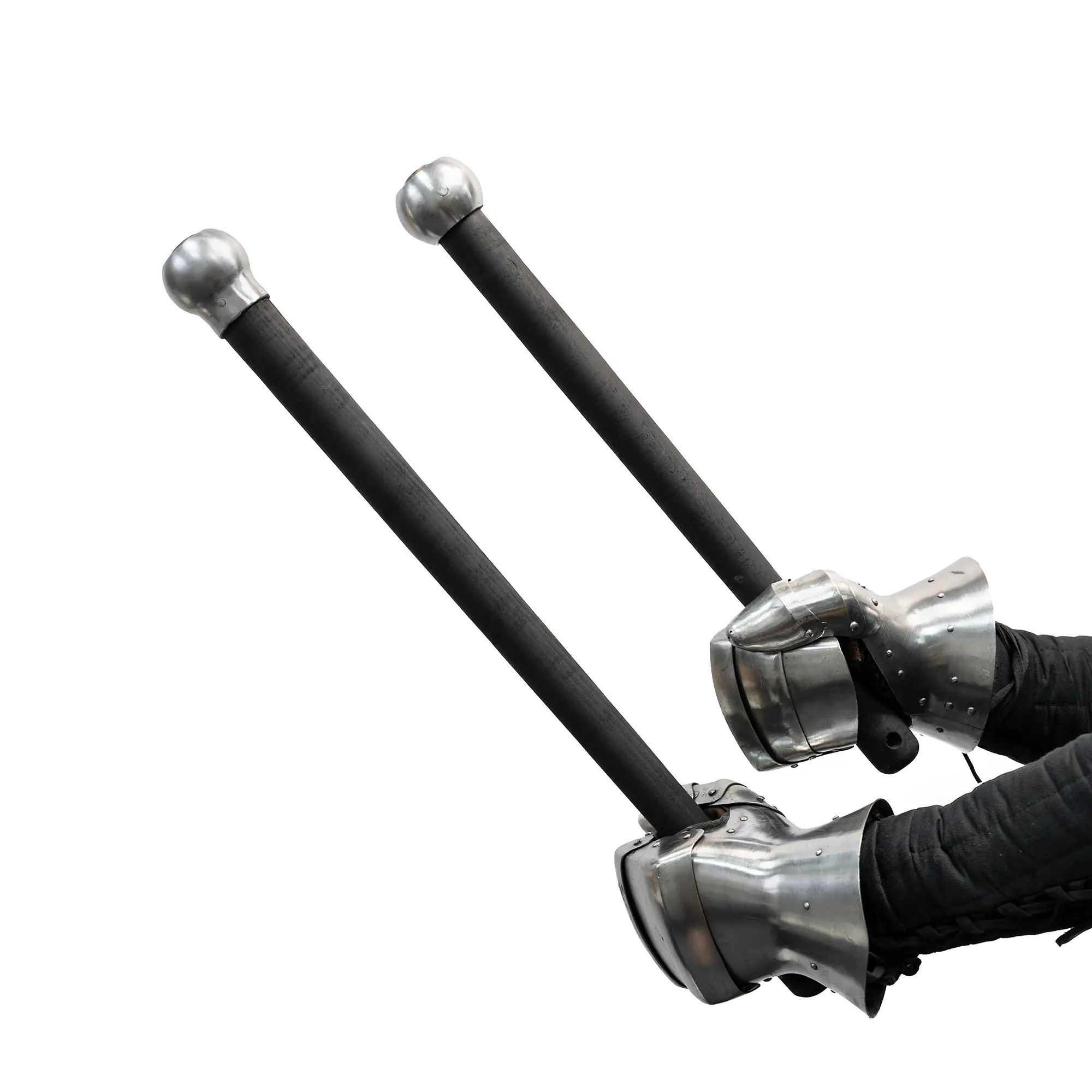
![Long ball mace for armored combat [70 cm]](https://medievalextreme.com/wp-content/uploads/2026/10/DSC01203.webp)
![Ball mace for armored combat [blackened haft 55 cm]](https://medievalextreme.com/wp-content/uploads/2026/04/DSC00340-2.webp)
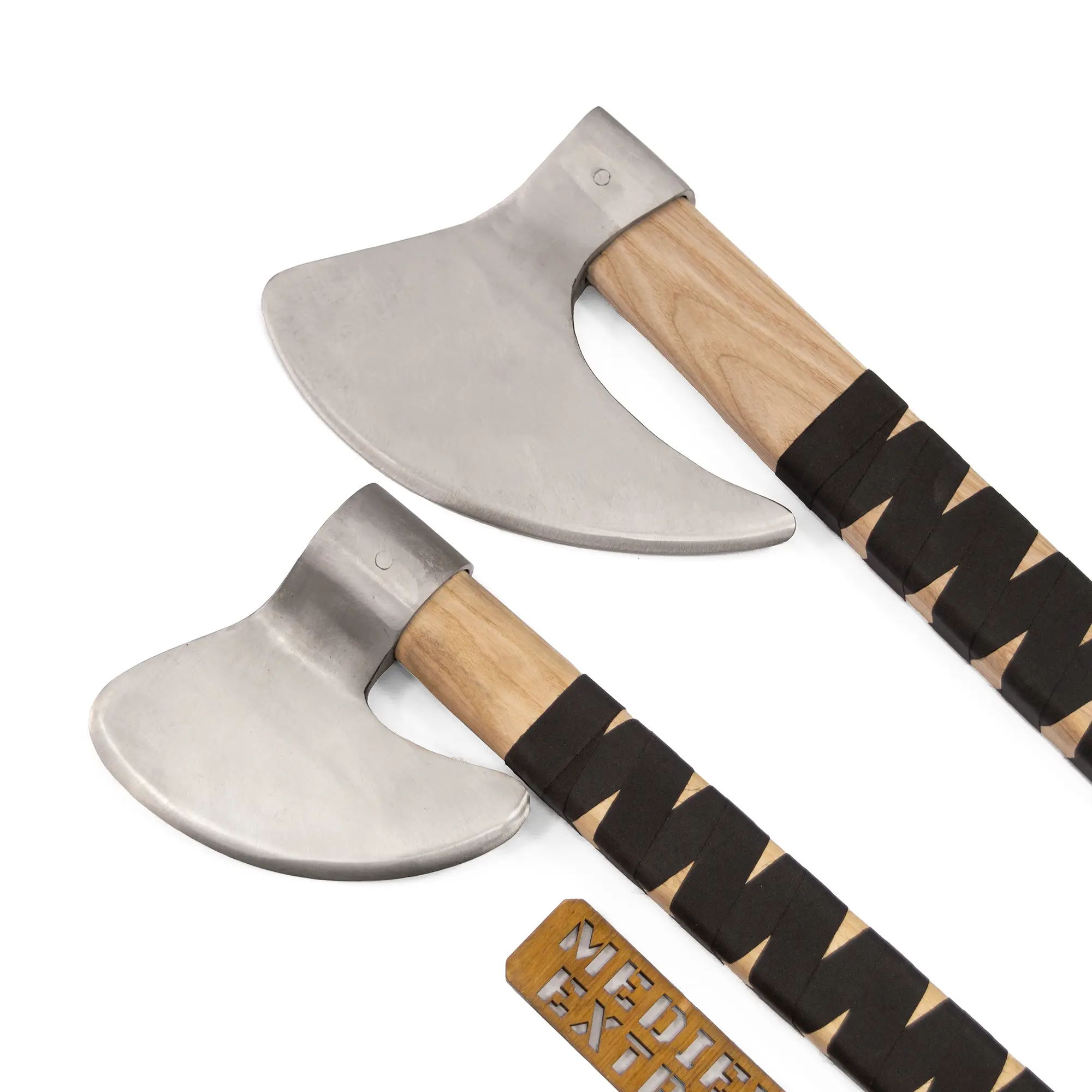
![Long axe [100 cm]](https://medievalextreme.com/wp-content/uploads/2025/10/DSC_1789-Edit.webp)
![Long mace for armored combat Extinction [70 cm]](https://medievalextreme.com/wp-content/uploads/2025/07/DSC_1478-Edit-2.jpeg.webp)

![Two-handed falchion Epilogue with tail [131 cm]](https://medievalextreme.com/wp-content/uploads/2025/06/DSC_1154-Edit-3.jpeg.webp)

![Shiftaxe type 2 [120 cm]](https://medievalextreme.com/wp-content/uploads/2024/12/DSC_06201-Edit.jpeg.webp)
![Shiftaxe type 1 [120 cm]](https://medievalextreme.com/wp-content/uploads/2024/12/DSC_0618-Edit.jpeg.webp)
![Basic Halberd for Armored Combat [120 cm]](https://medievalextreme.com/wp-content/uploads/2024/11/DSC_047111-Edit.jpeg.webp)
Jason L. (verified owner) –
Beautifully crafted
John B (verified owner) –
Thank you very much!
John B (verified owner) –
Thank you very much!