

NEW

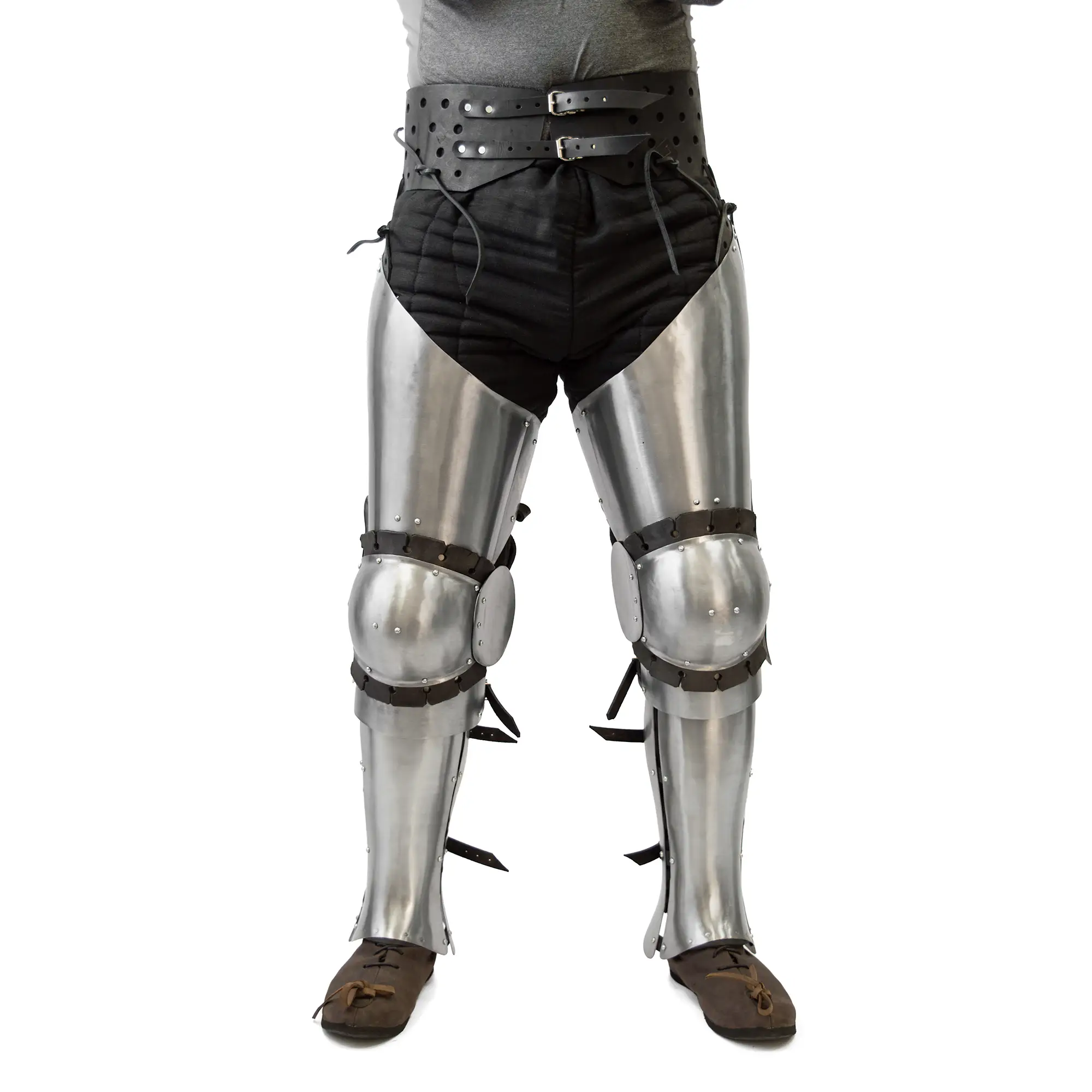
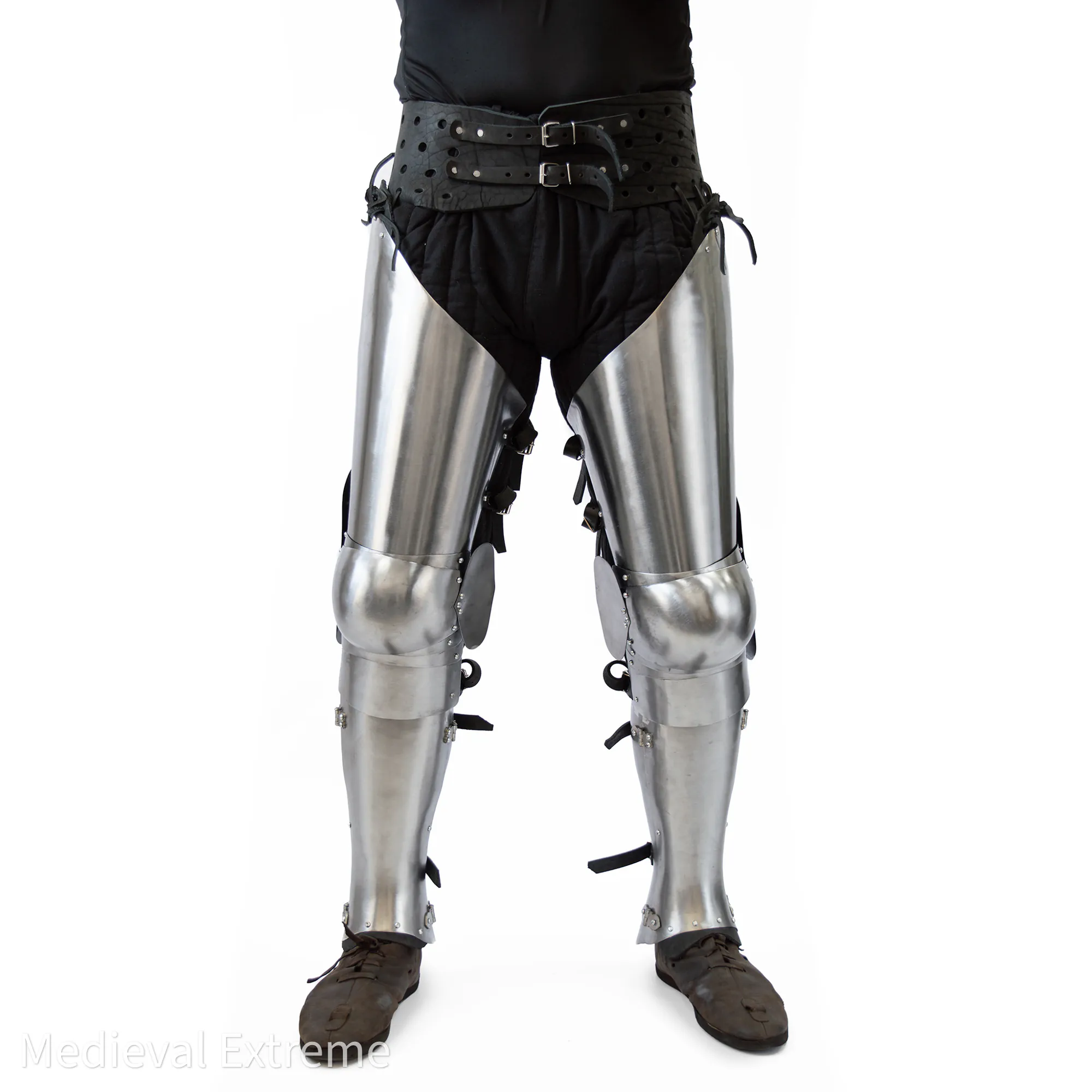
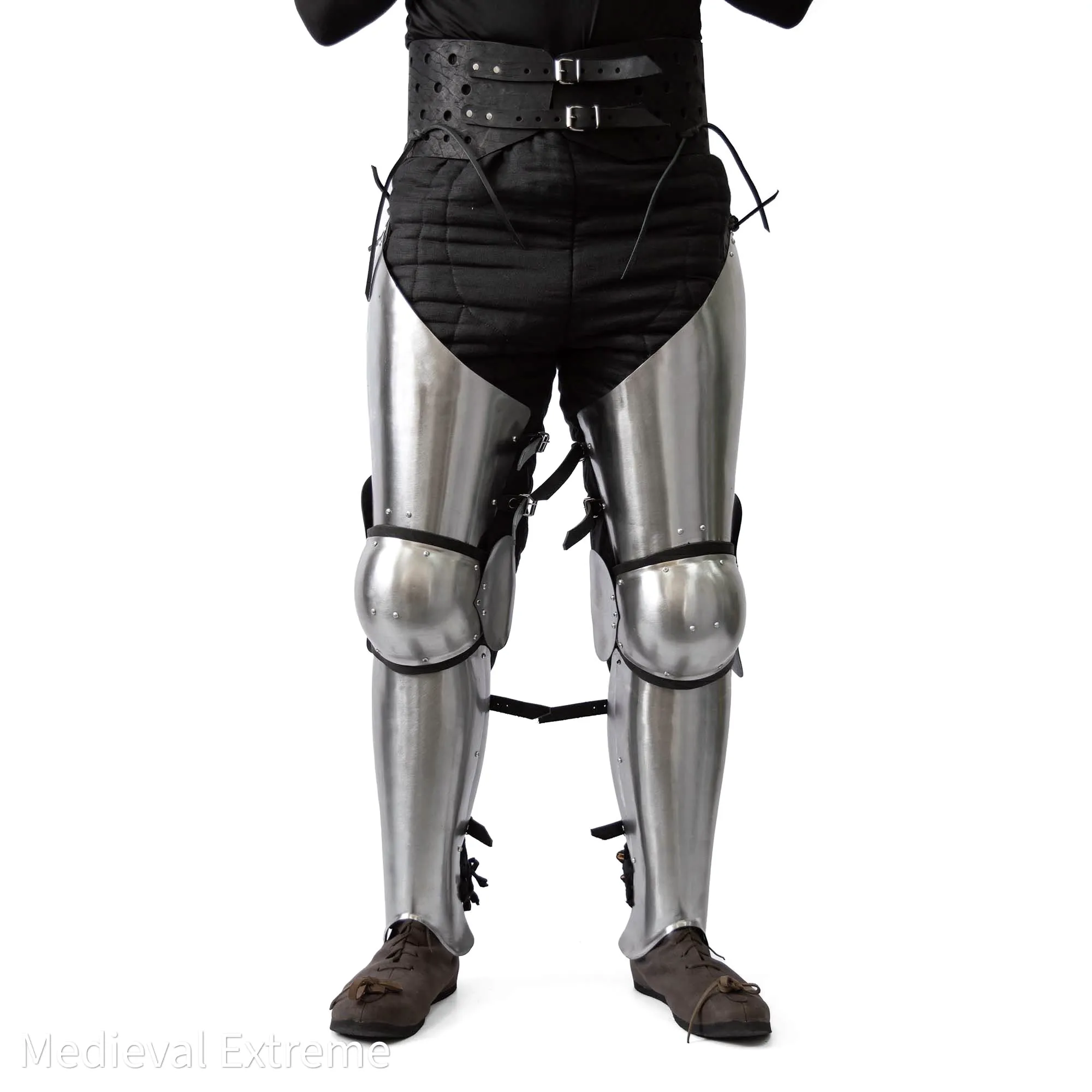
Articulated upper legs Apex
$579
Legs Armor by MedievalExtreme is the perfect solution for medieval battles fighters looking to protect everything under their belt. Our products are made from hardened steel or titanium and are made to measure, so they can be used for both duels and melees.
9 items
Weight depends on size, material, coverage, and construction. An XL Basic Floating Legs Aurora set weighs approximately 6.17 kg in hardened steel. An articulated Apex set weighs approximately 8.63 kg.
An XL floating brigandine leg set weighs approximately 7.98 kg in hardened steel or 6.40 kg in titanium. These figures include cuisses, poleyns, and greaves but may not include sabatons, padding, or suspension equipment. Always check the specifications of the individual set.
We recommend purpose-made padded chausses or another approved underarmor layer. Regular sport padding may shift, create pressure points, or add the wrong amount of thickness. Visible modern materials may also fail authenticity requirements.
If you plan to use existing sport padding, confirm it with the relevant tournament officials. Take every armor measurement while wearing that exact padding and your combat footwear. If you order the leg armor and padding together, measure your bare legs and tell us. We will adjust the size accordingly.
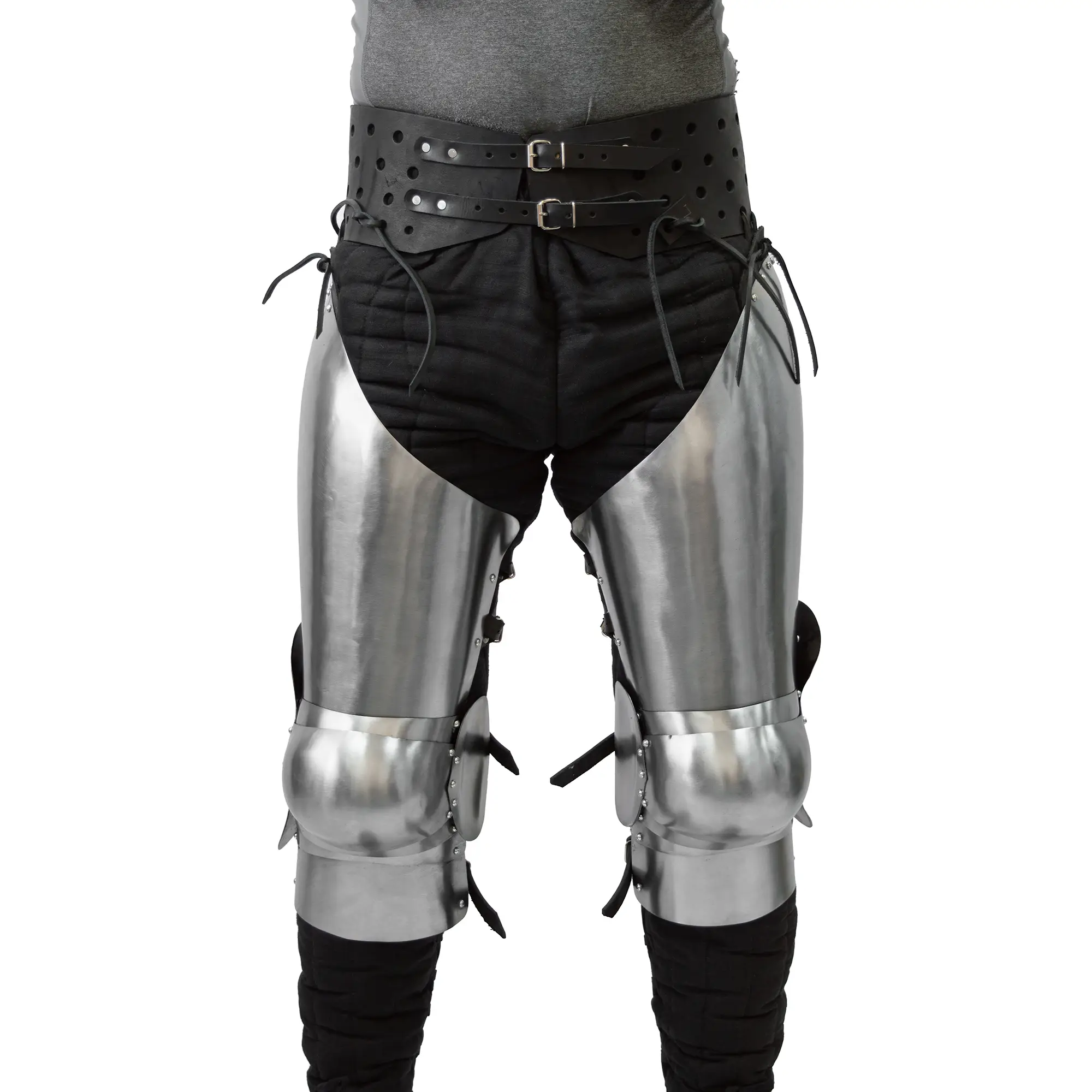
Most floating cuisses attach through reinforced leather arming points to a lendenier or purpose-made arming belt. Lacing, also called pointing, carries the armor’s weight and keeps the cuisses at the correct height.
Additional straps stabilize the thighs and knees, but they should not carry the entire load. A regular clothing belt may twist, slide, or sag under heavy leg armor. A reinforced lendenier or C-belt provides better support.
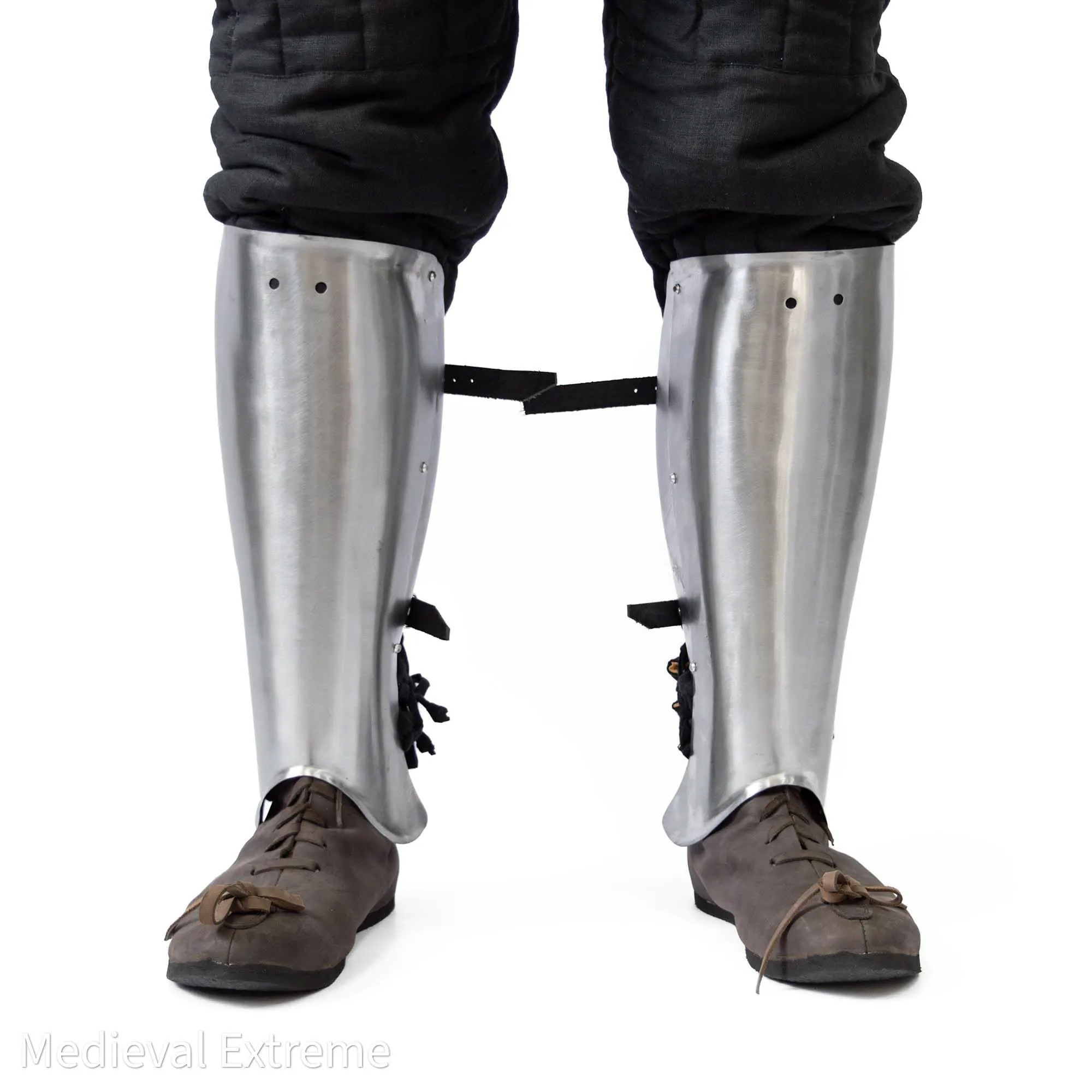
Fighters need continuous protection for the thighs, knees, shins, and feet. This normally includes cuisses, poleyns, greaves, and sabatons. The components must overlap correctly and prevent exposed gaps during movement.
Under current rules, a fighter may be grounded if an equipment failure affects a thigh protector, knee cop, shin protector, or sabaton. The armor must also match the applicable safety and authenticity requirements.
Clothing: Measurements should be taken wearing the padded chausses you intend to wear with the armor. Sweatpants or jeans will not accurately reflect the thickness of the padded chausses and could lead to ill-fitting armor.
Bare Legs If you are ordering both legs and padding together, measuring your bare legs is acceptable. However, please clearly indicate on the measurement sheet that the measurements are for bare legs.
Measurements: Take all measurements with a flexible measuring tape, snug but not tight.
Additional Notes:
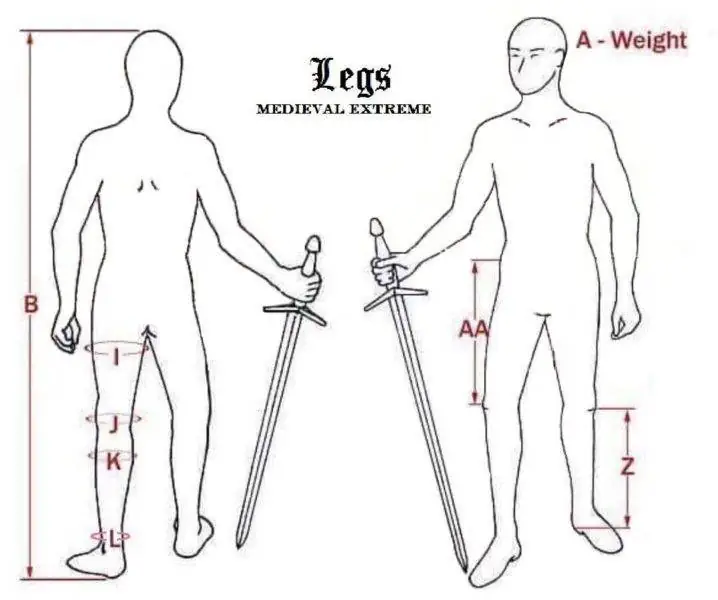
A. Weight: Measure your weight in kilograms or pounds without wearing any armor.
B. Height: Stand tall and measure the distance from the top of your head to the soles of your feet.
I. Maximal thigh circumference: Find the widest part of your thigh, usually just above mid-thigh. Wrap the tape measure snugly but not tight.
J. Thigh circumference above knee: Measure the circumference about 10 cm above your kneecap with the tape snug but not tight.
K. Calves: Measure the widest point around your calf muscle with the tape snug but not tight.
L. Ankle: Measure the narrowest part of your ankle just above the ankle bone with the tape snug but not tight.
AA. Hip to Knee: Stand with your leg relaxed. Locate the bony bump on the side of your hip bone (greater trochanter) and the center of your kneecap. Measure the distance between these points while keeping your leg straight.
Z. Knee to Ankle: Stand with your leg relaxed. Locate the center of your kneecap and the highest point of your ankle bone. Measure the distance between these points while keeping your leg straight.
Complete leg armor for buhurt protects the thighs, knees, shins, and sides of the legs during full-contact combat. MedievalExtreme offers floating and articulated systems for duels, melees, and regular training. Fighters can choose hardened steel or lightweight titanium according to their preferred protection and mobility.
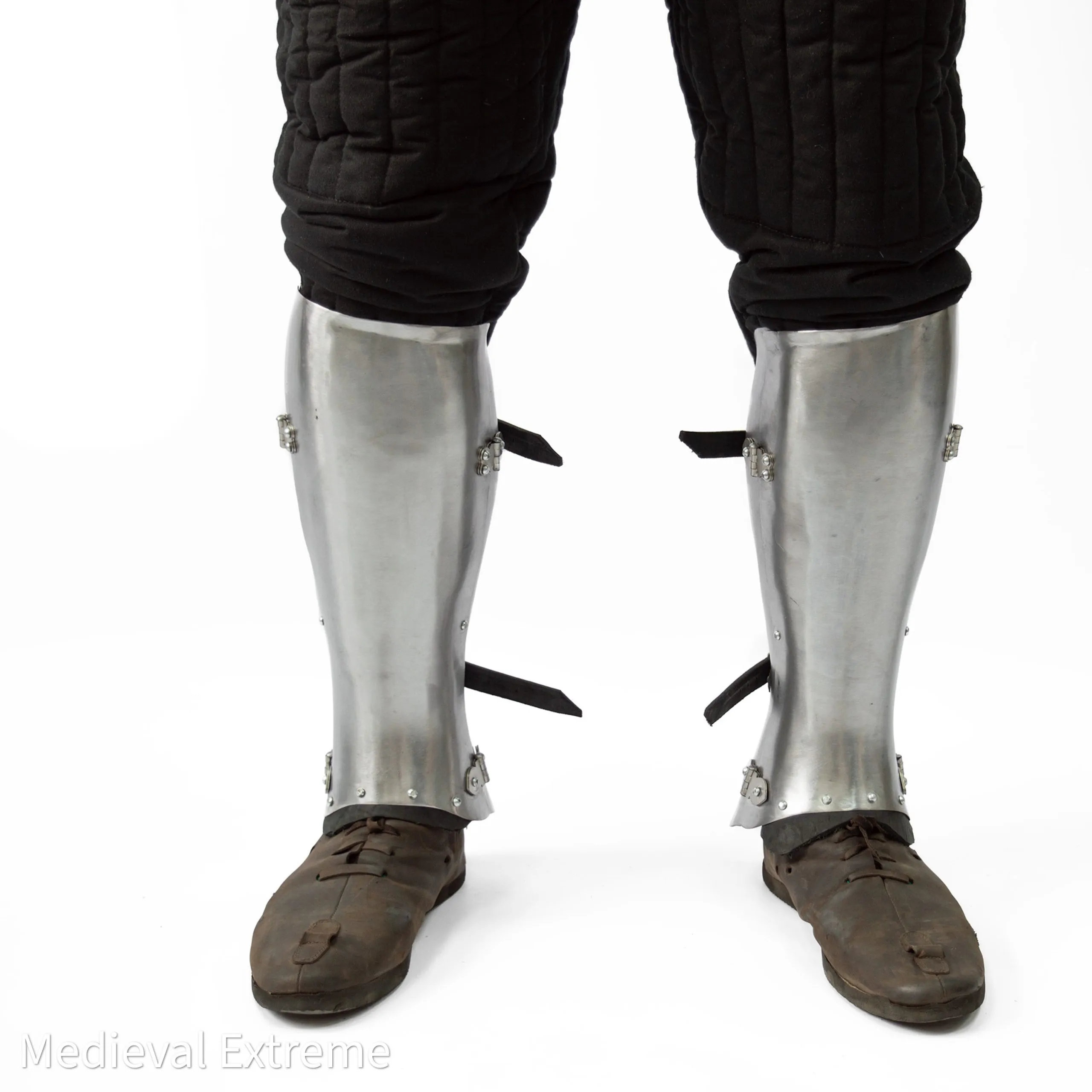
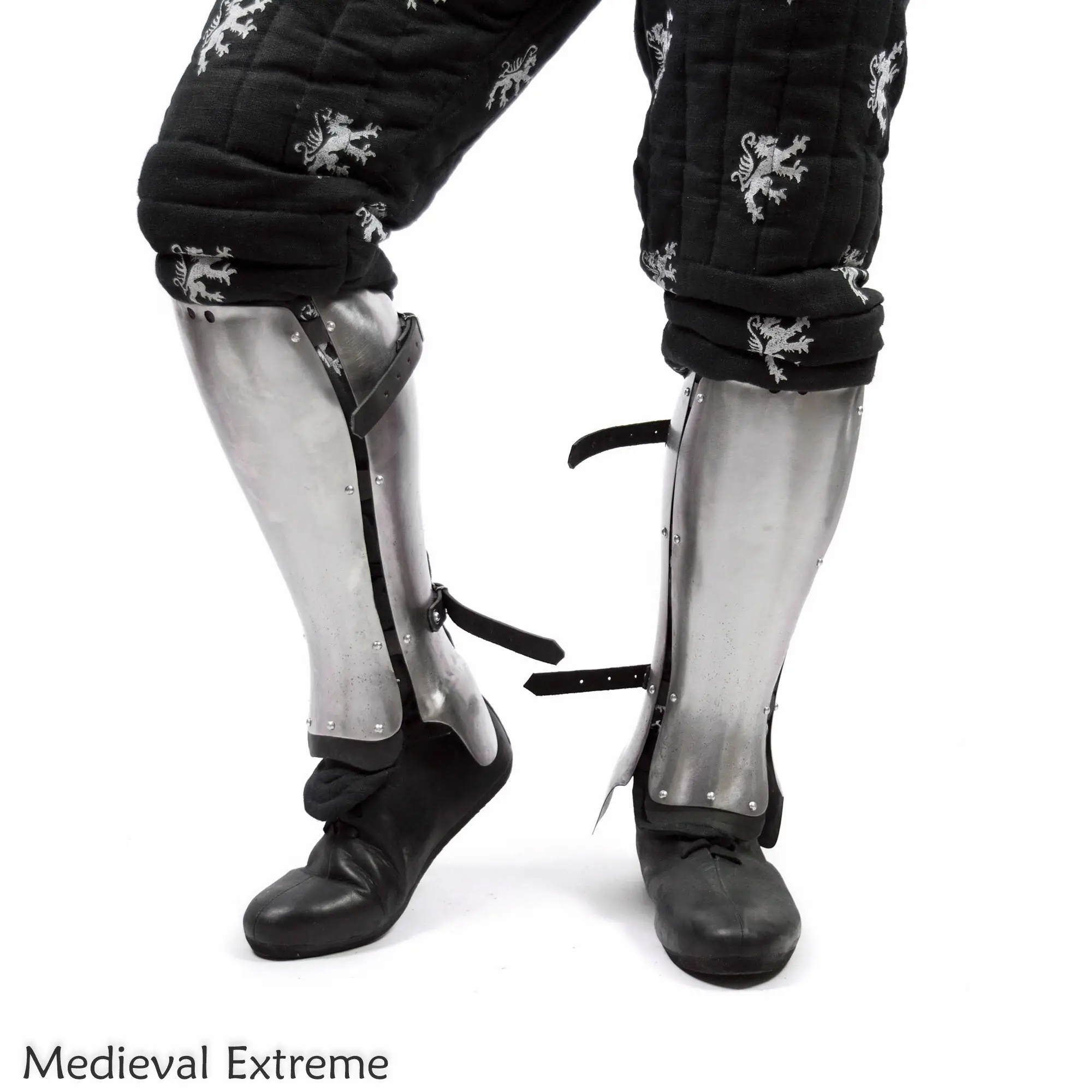
Cuisses protect the front and sides of the thighs. Poleyns cover the knee joint and use side wings to protect against angled strikes. Greaves protect the shins and may use solid plates, articulated segments, splints, or brigandine construction.
Each component must overlap the next section without creating an exposed gap. The knee should remain covered while the fighter stands, crouches, runs, or wrestles.
Floating leg armor uses separate cuisses, poleyns, and greaves. Straps and arming points allow independent adjustment. This design offers practical mobility and easier component replacement.
Articulated leg armor connects several steel or titanium plates into a continuous harness. It provides controlled overlap and extensive coverage but requires precise measurements. Both styles should move naturally without twisting around the leg.
Wear leg armor over padded chausses or another purpose-made underarmor layer. Cuisses commonly attach to a lendenier or arming belt through reinforced points. Additional straps stabilize the knees and lower legs.
MedievalExtreme workshop guidance: Take measurements while wearing your current padding and combat footwear. Include your height and weight. If you order the padding with the armor, measure your bare legs and tell us. We will adjust the size correctly.

Marc Arendell (verified owner) –
Marc Arendell (verified owner) –
Gage Kyle (verified owner) –