
Training swords bundle
Original price was: $628.$599Current price is: $599.
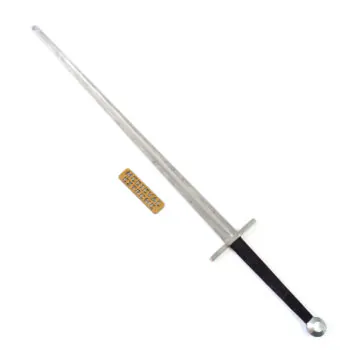
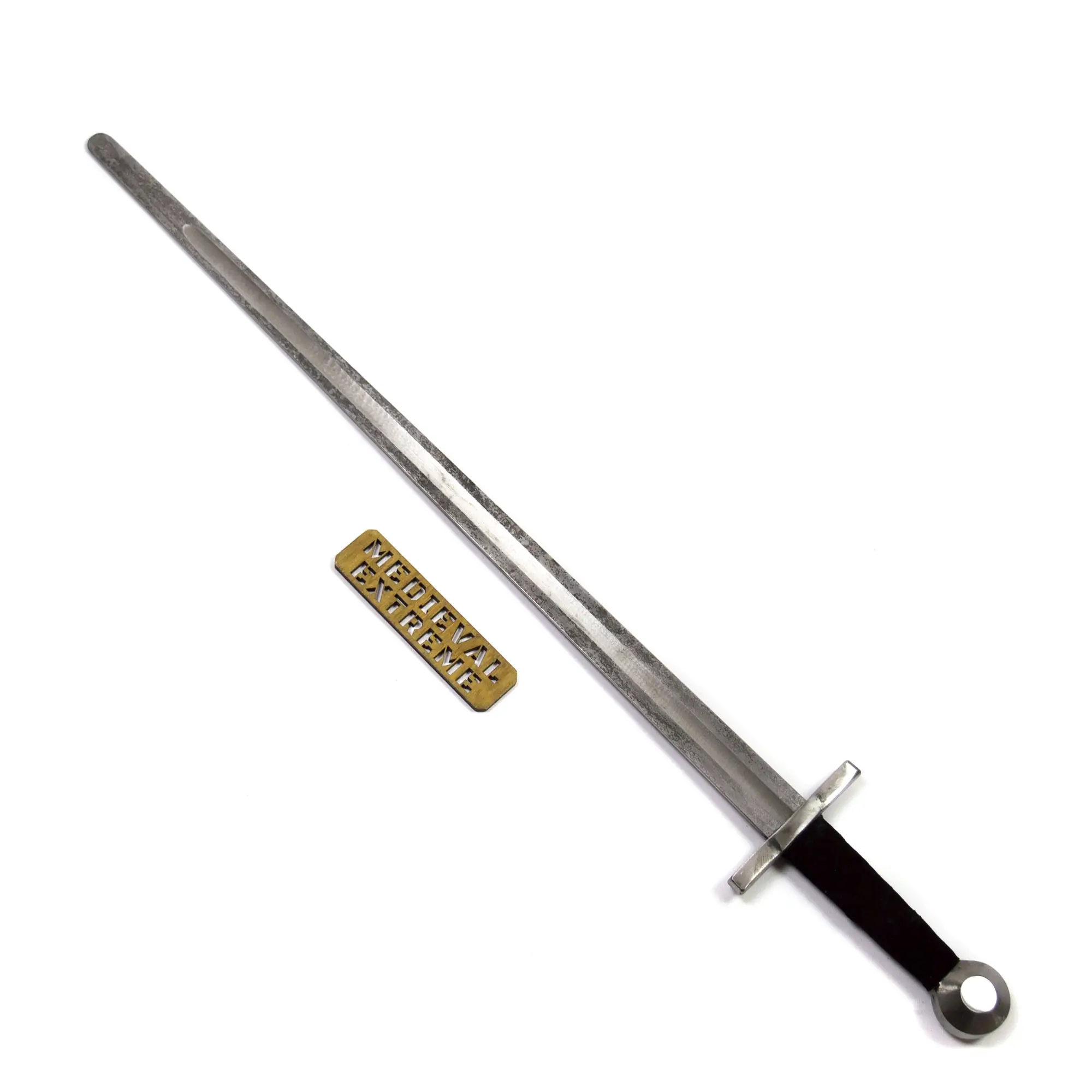
Training swords are built to take a beating. Made thicker and more durable than regular combat swords, they’re designed for intense pell work and high-impact training. These swords help you build strength, refine technique, and extend the life of your main weapon. Whether you’re drilling strikes or perfecting control, they’re the ideal tool to sharpen your skills without unnecessary wear on your competition gear.More

A training sword has no fixed service life. Its durability depends on training frequency, striking power, target material, maintenance, and storage. Pell work with a suitable target usually causes less unpredictable damage than uncontrolled steel-on-steel sparring.
Inspect the blade, edges, guard, grip, and pommel after every session. Stop using the sword if you find cracks, severe dents, permanent bends, or loose components. Regular cleaning and dry storage will help prevent corrosion and extend its useful life.
A sword used only for solo drills or pell work does not need tournament approval. However, it must remain structurally sound and safe for its intended training method.
A training sword used for armored sparring, competition, or tournament-style fights must meet the applicable league requirements. It must also pass the event’s weapon inspection. Buhurt International (ex HMB), IMCF, and local clubs may apply different standards, so check the relevant rules before use.
There is no fixed weight difference. A training arming sword may weigh within the same range as a tournament sword. For example, the MedievalExtreme training arming sword weighs approximately 1.5 kg, while Type 1 tournament swords range from 1.1 to 1.7 kg.
The main differences involve blade thickness, steel treatment, finish, balance, and durability. Training swords often use thicker construction and a rougher finish to withstand frequent pell work at a lower cost.
Yes, but regular training can shorten the life of your tournament weapon. Pell work and repeated drills create dents, scratches, edge deformation, and stress around the guard and pommel. A dedicated training sword lets you preserve your competition blade for events. You can still use a tournament sword for light technical practice when you need to reproduce its exact handling.
A dedicated training sword helps fighters develop strength, control, and technique without wearing out their competition weapon. Our buhurt training sword uses thick, durable construction for pell work and high-impact drills. It provides a practical tool for regular gym practice. Browse our complete range of buhurt swords to compare competition models.
Repeated drills place constant stress on the blade, guard, grip, and pommel. A dedicated trainer protects your tournament sword from unnecessary dents, scratches, and fatigue. It also lets you repeat strikes, improve balance, and build endurance without worrying about the polished finish of your main weapon.
Training models favor durability and affordability. They may use softer steel, a thicker blade, and a rougher finish than tournament weapons. These choices can affect flexibility, weight, and balance. However, they help the sword withstand repeated contact with a training pell.
The edges remain blunt, but a training model does not automatically qualify for tournament use. Competition weapons must meet the current requirements for dimensions, weight, edge radius, historical form, and safety inspection.
Beginners can use training swords for solo drills, pell work, footwork, and controlled technique practice. Fighters preparing for sword and shield can choose a trainer that handles like their preferred one-handed swords.
No steel sword guarantees safe sparring. Partner drills require supervision, controlled intensity, and complete protective equipment. Wear suitable armor, including soft armor, according to your club’s safety standards.
MedievalExtreme workshop guidance: Use a pell designed for steel practice. Inspect the blade, guard, and hilt after every session. Stop training if you find cracks, permanent bends, or loose parts.