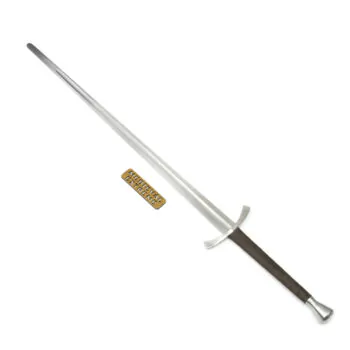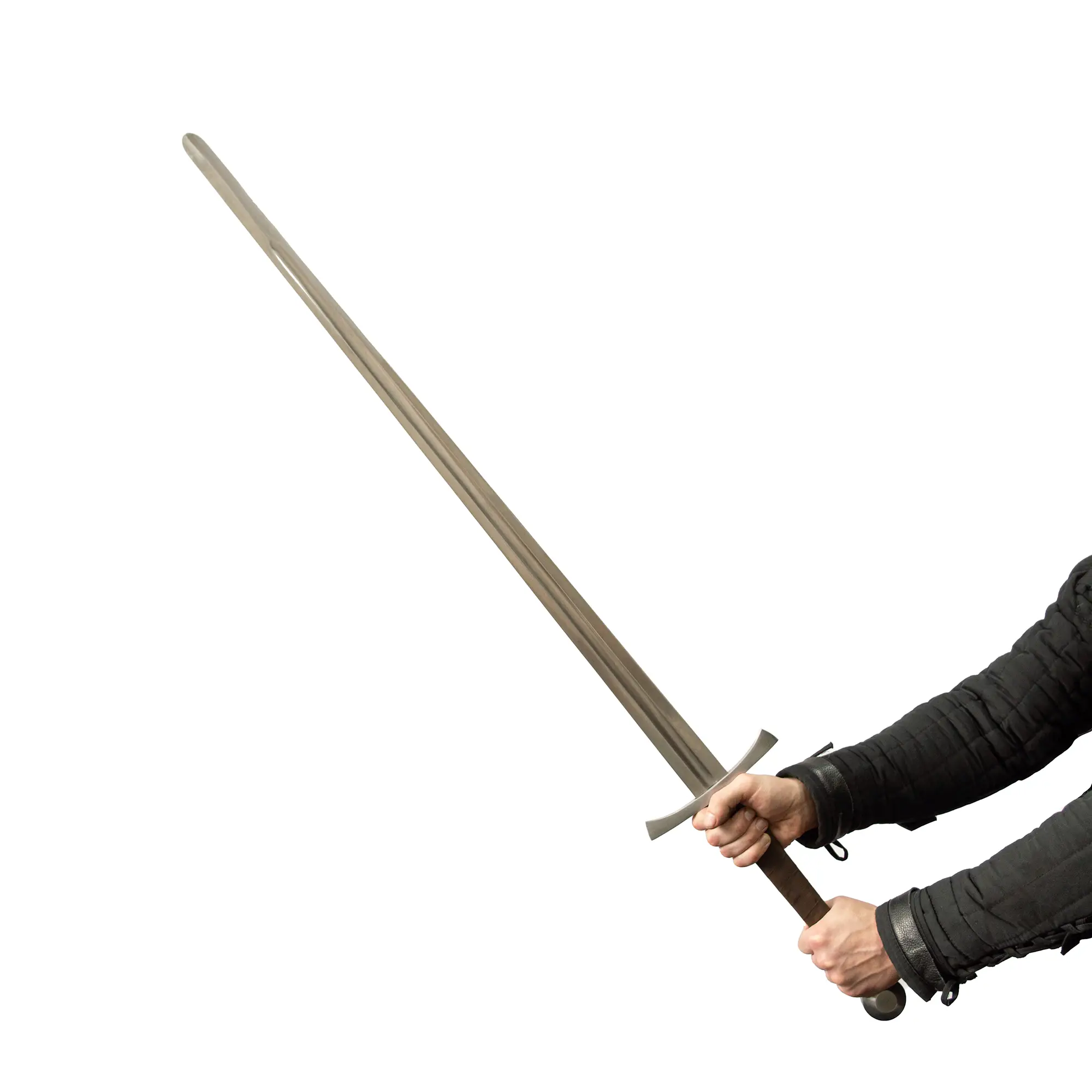
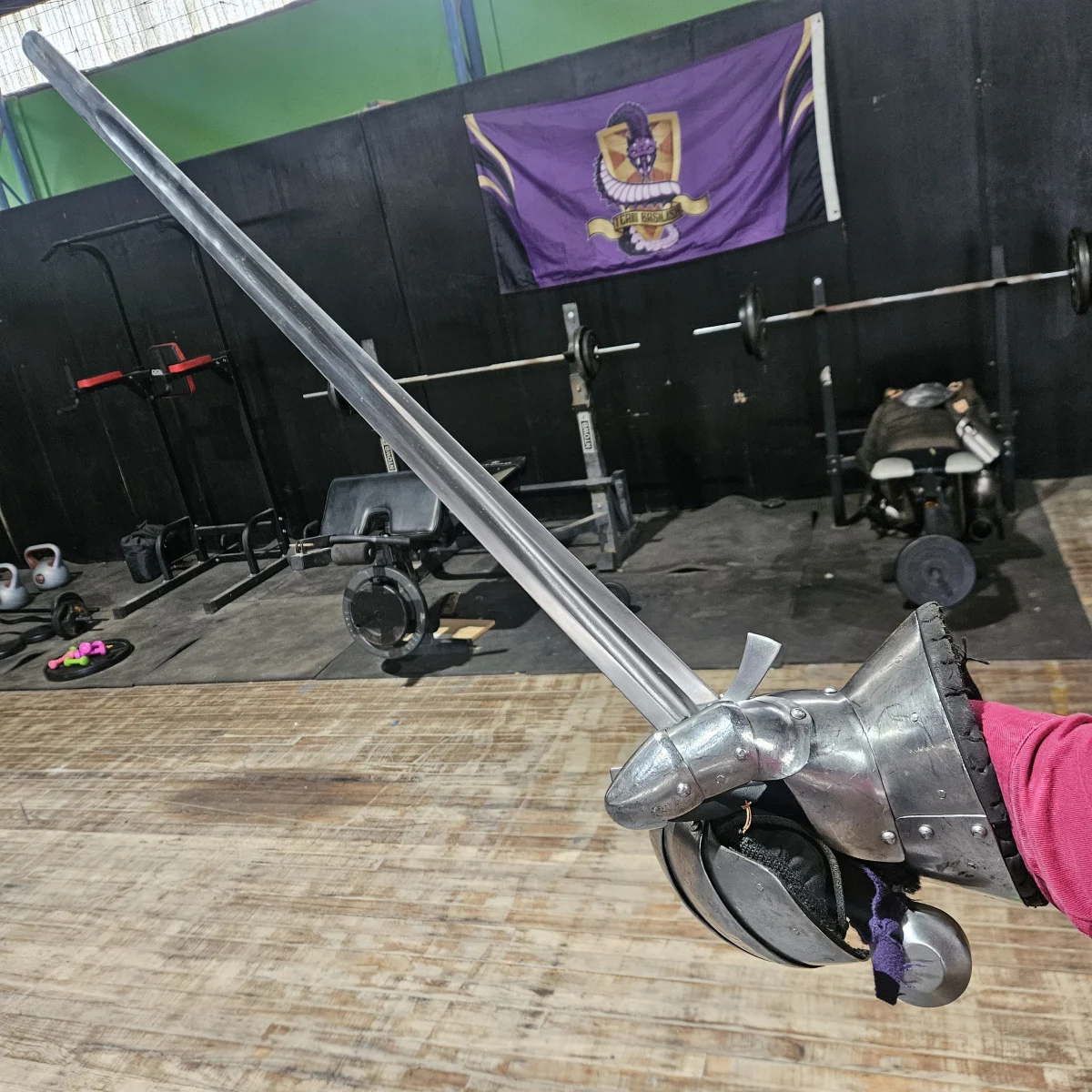
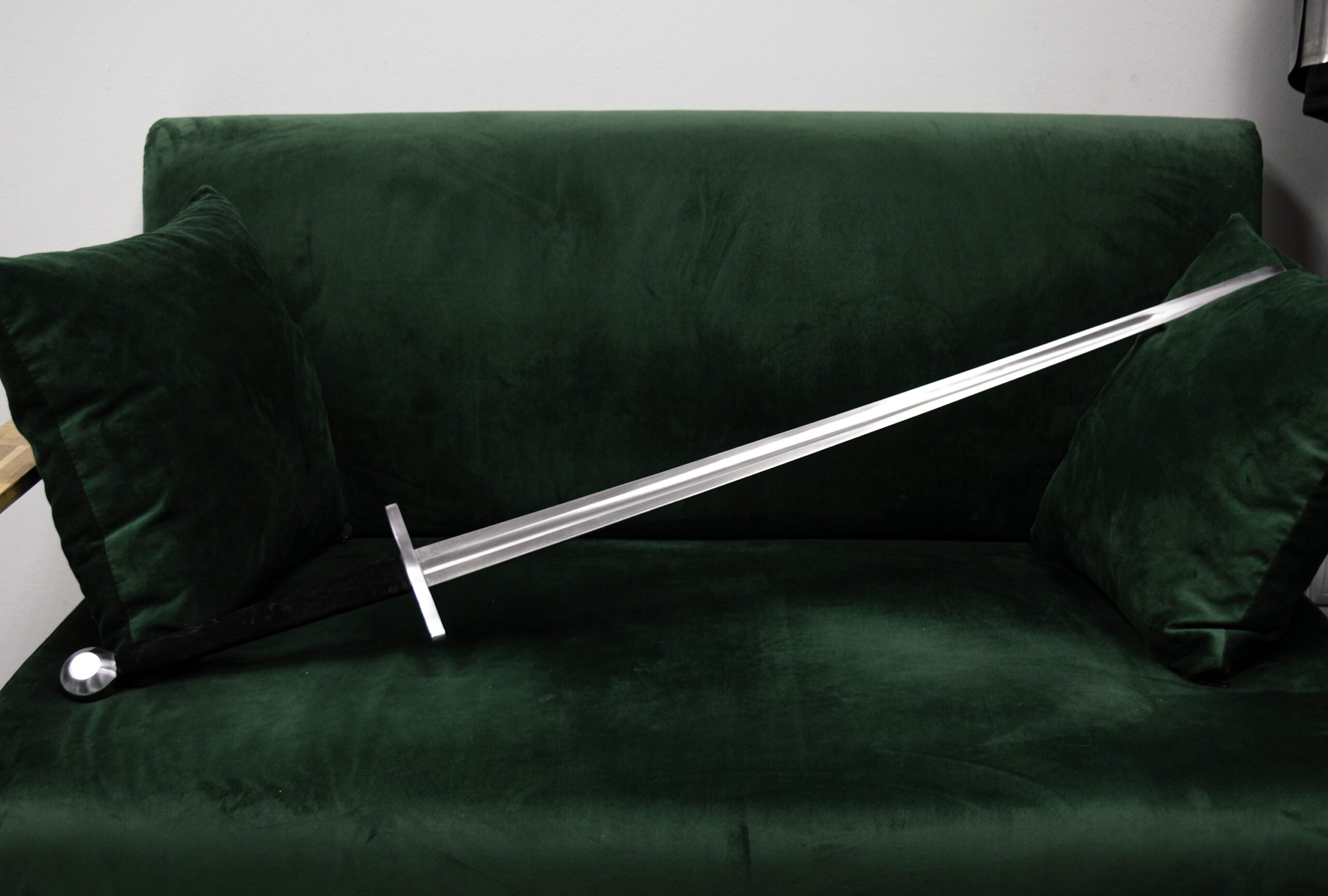
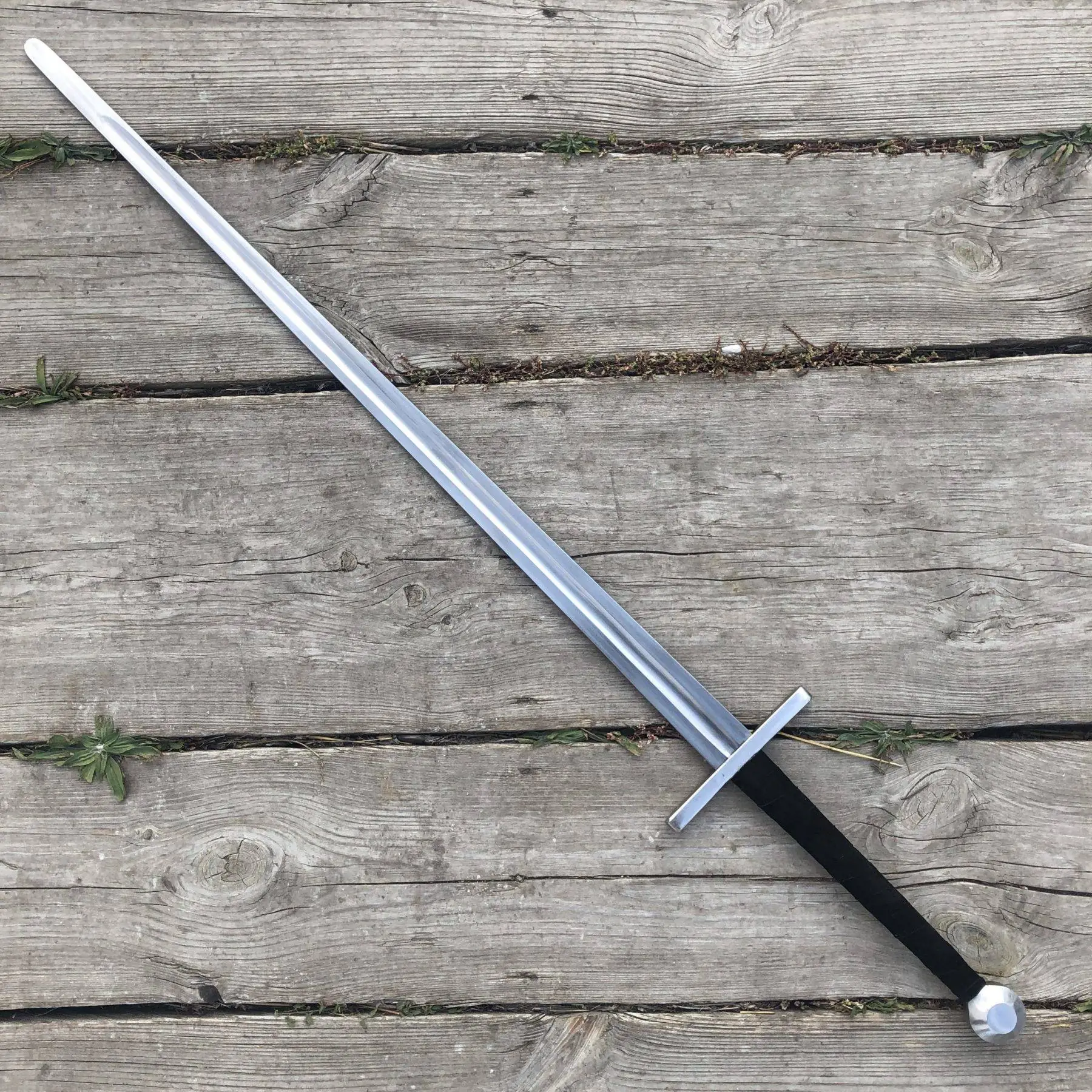
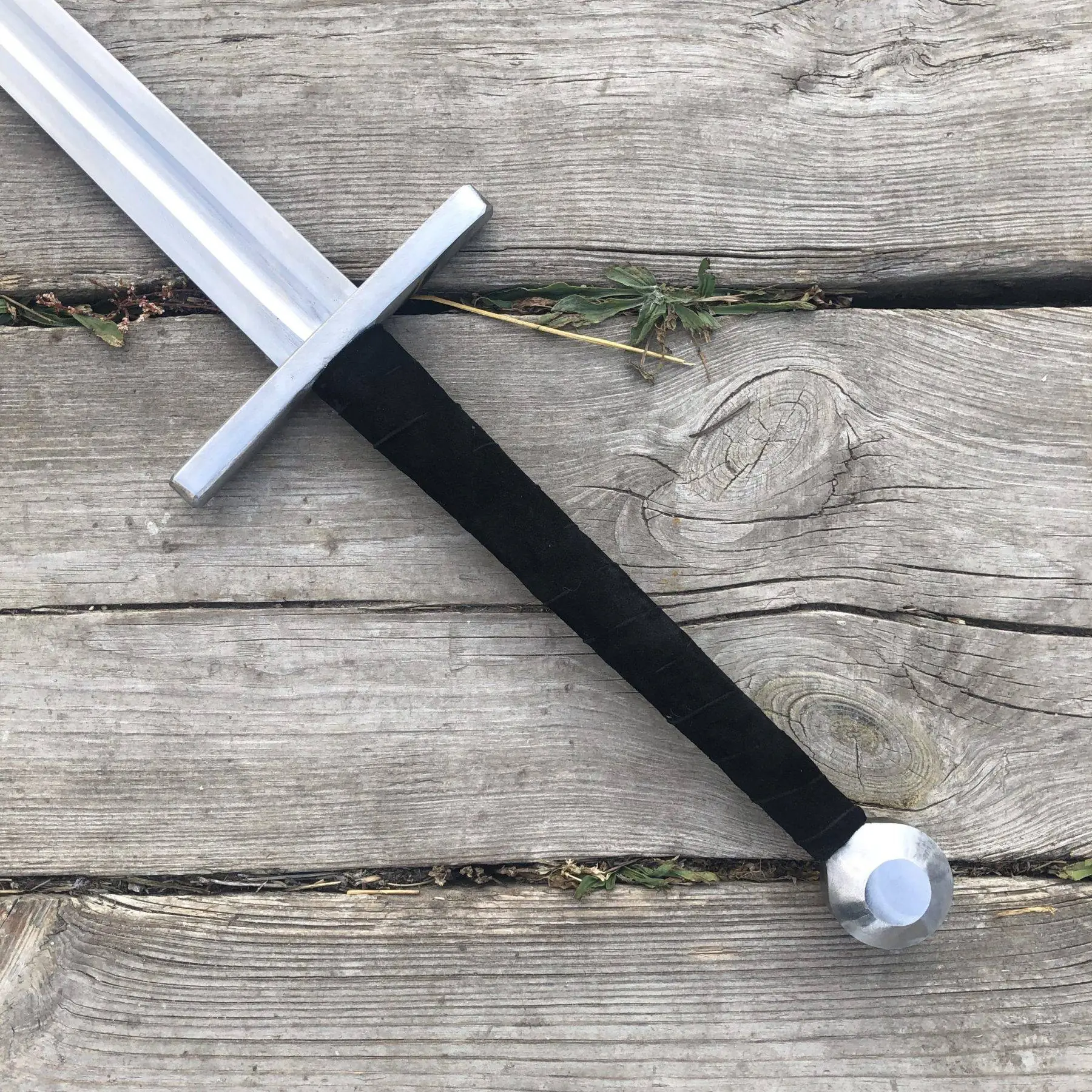
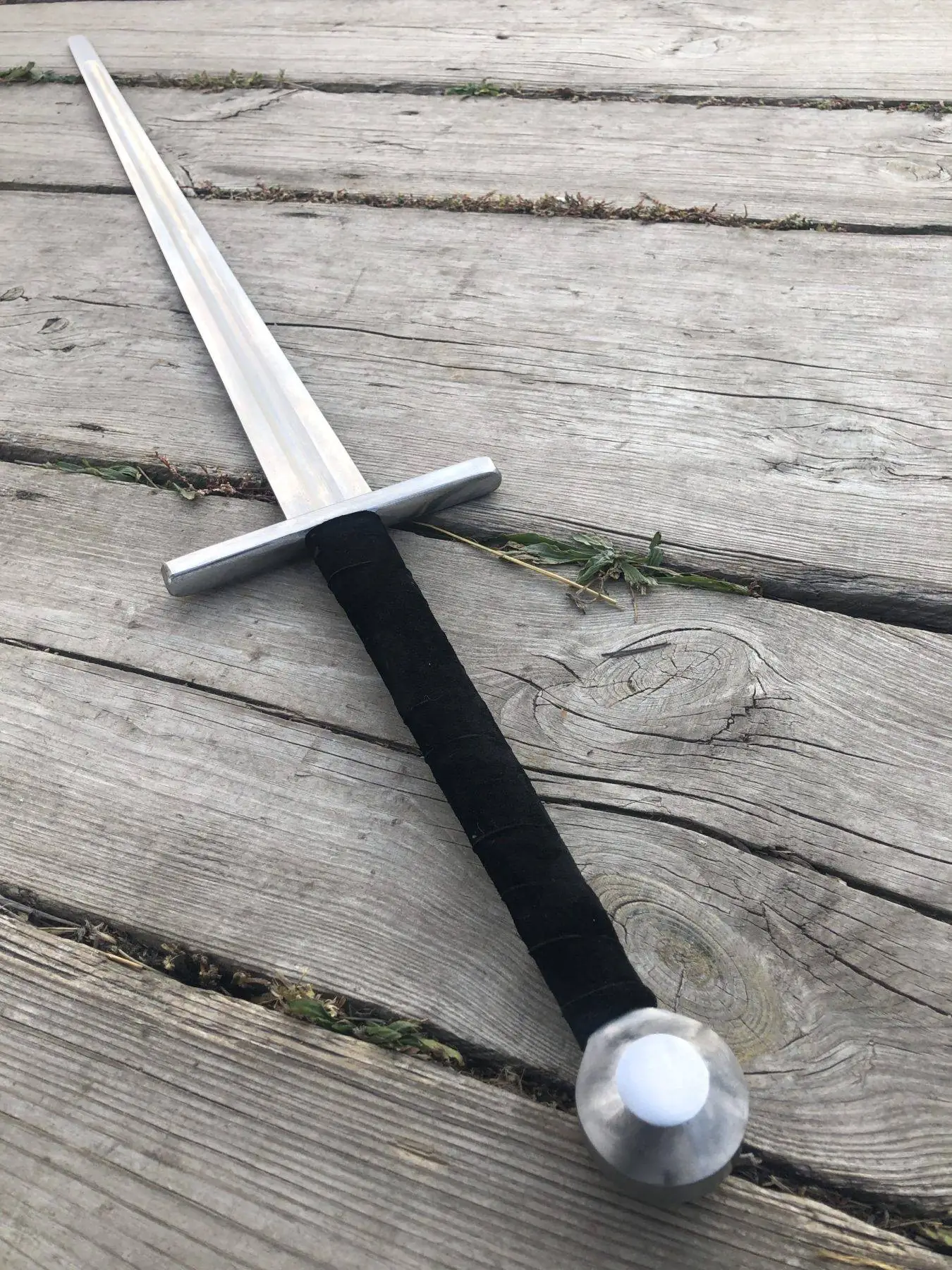
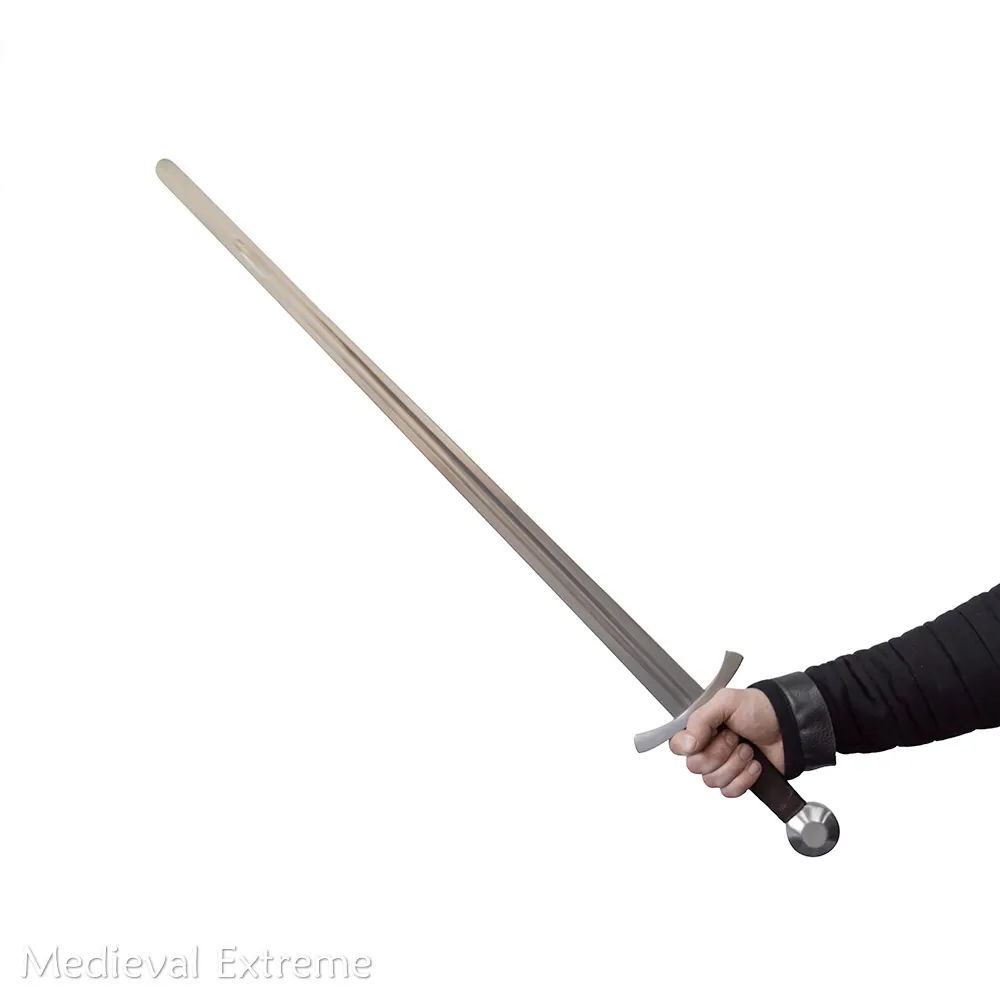
Basic longsword for armored combat

$399

5.0 (7 reviews)
108 sold

Available upon preorder or as made-to-measure

Do you have a question?
You can ask us your question on WhatsApp.
WhatsApp
 

Description

Introduction to the Basic Longsword for Armored Combat Duels

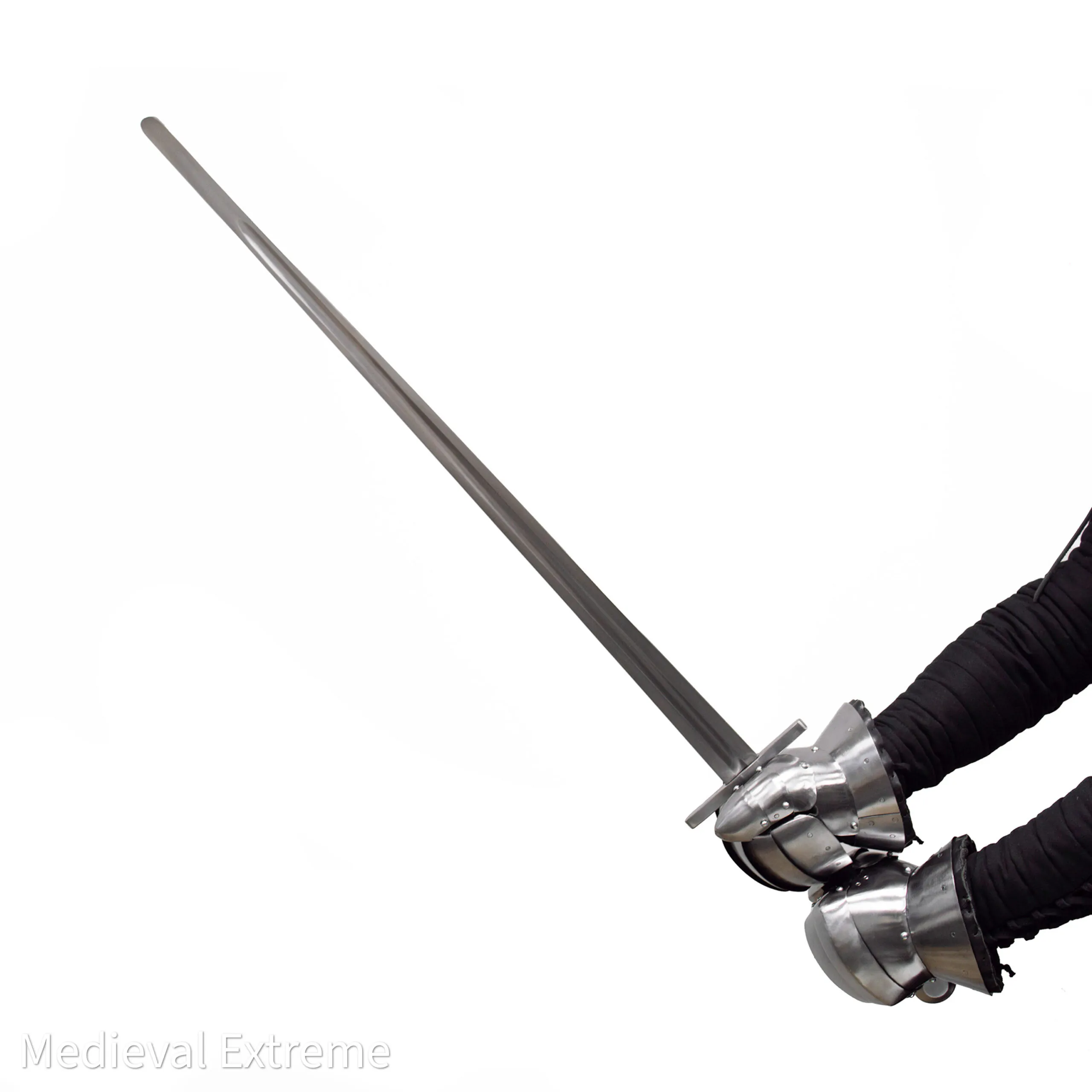
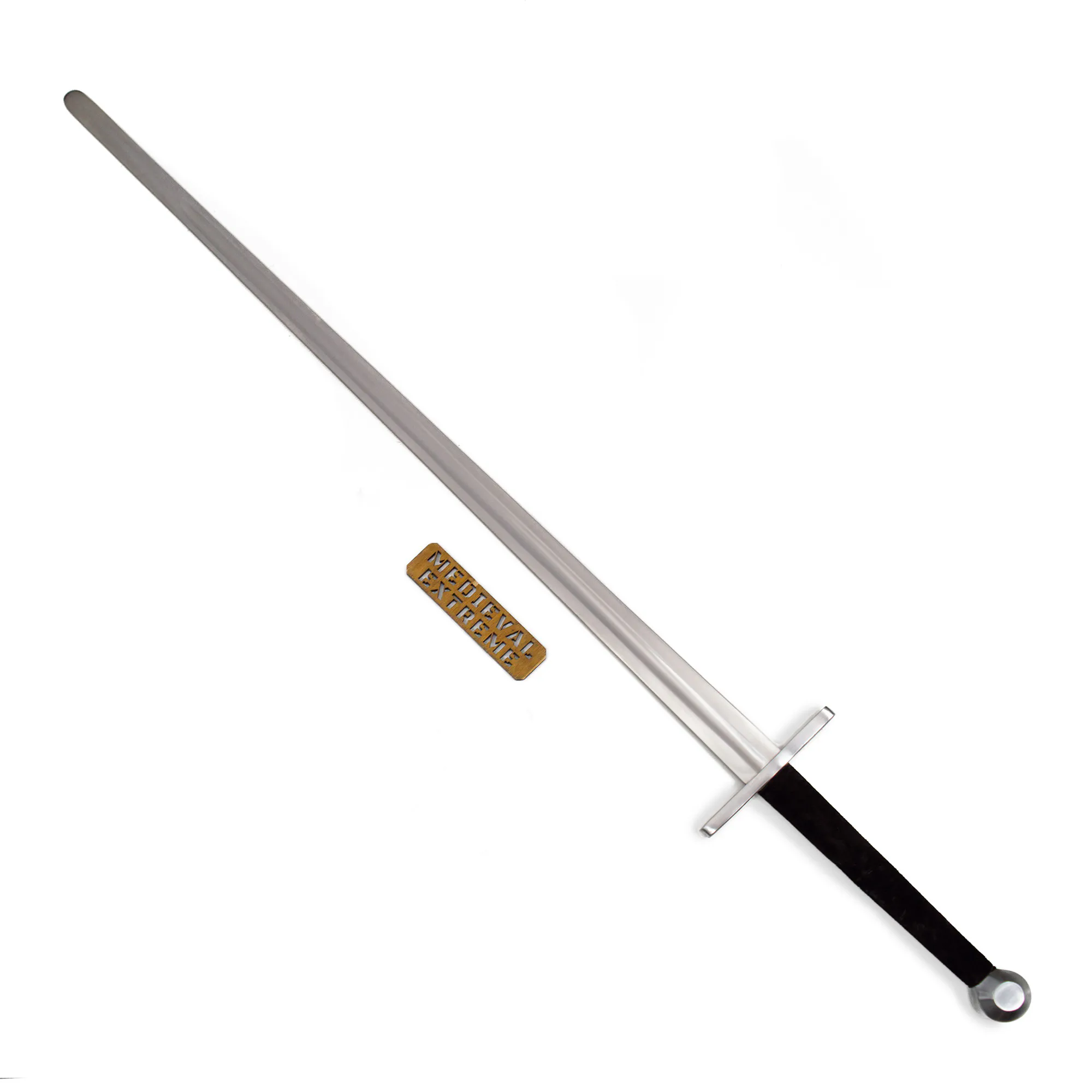
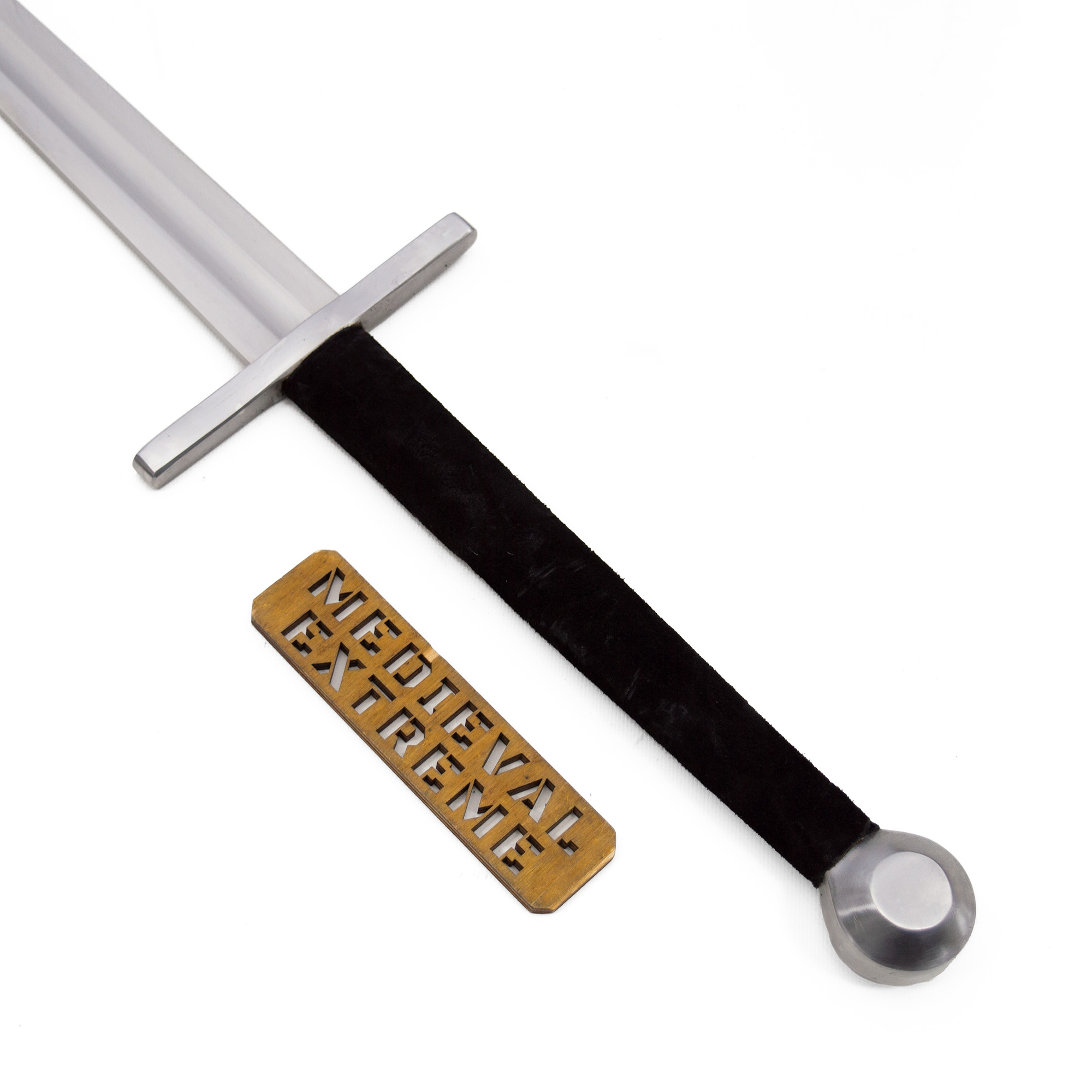
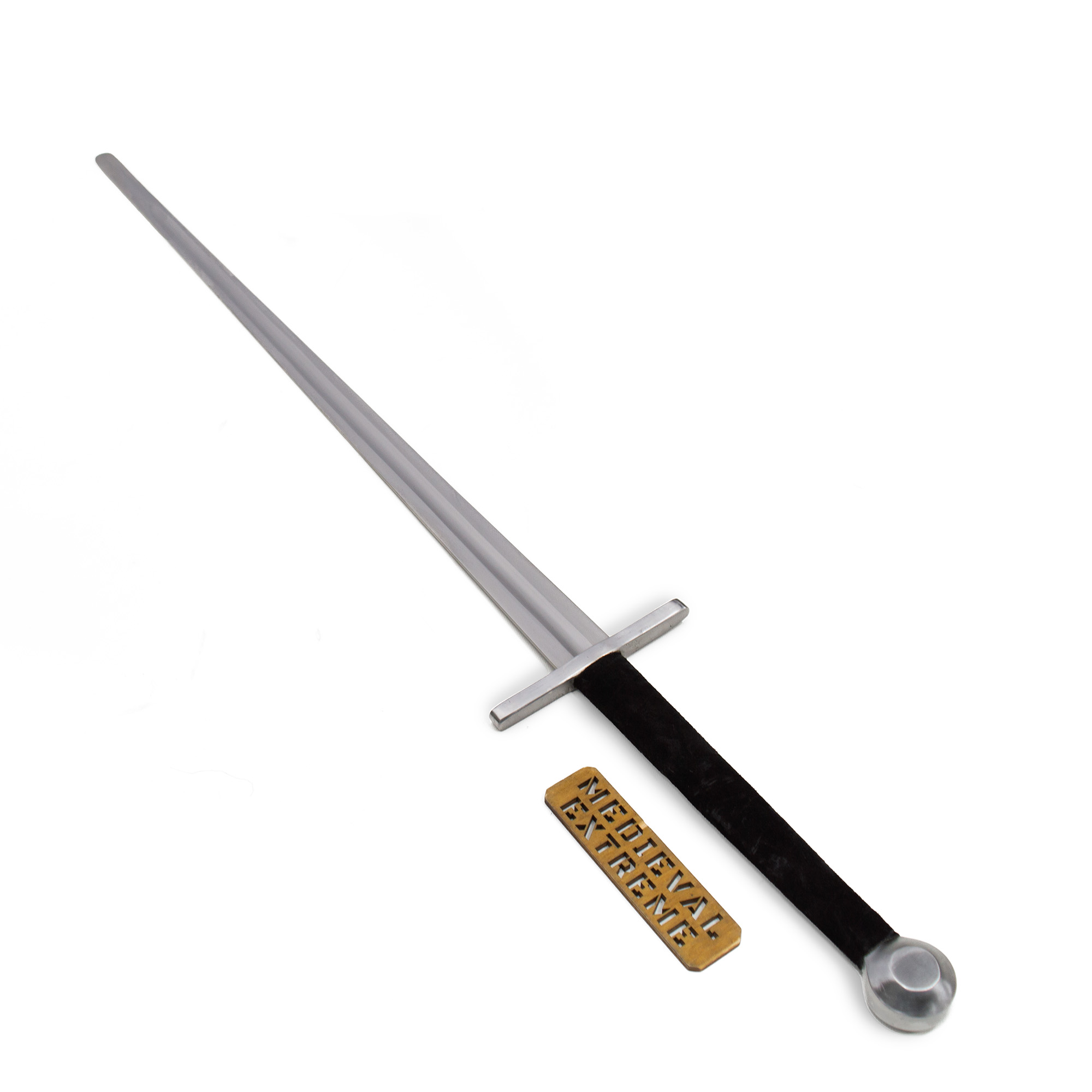
Looking for a reliable weapon for armored combat duels? Look no further than our Basic Longsword! This European sword is characterized by its cruciform hilt with a grip for two-handed use and a straight double-edged blade. Also known as a bastard sword, this weapon is perfect for mastering longsword duel disciplines.

Superior Quality for Maximum Durability and Precision

At MedievalExtreme, we believe in providing the highest quality weapons for our customers. That’s why our Basic Longsword is made from the finest materials and expertly crafted for maximum durability and precision. With a length of 123cm, a blade length of 86cm, and a weight of 2285g, this sword is designed for great damage and maximum effectiveness on the battlefield.

Specifications:

  • Length: 123 cm (48.4 in)
  • Blade length: 90 cm (35.4 in)
  • Crossguard length: 16 cm (6.3 in)
  • Handle: 33 cm (13.0 in)
  • Weight: ~2100 g (4.63 lbs)
  • Balance: 5 cm (2.0 in) from crossguard

Perfect for Beginners and Experienced Fighters Alike

Whether you’re a beginner or an experienced fighter, our Basic Longsword is the perfect choice for mastering armored combat duels. Its versatile design and reliable construction make it ideal for both training and competition. With a crossguard length of 20cm, a handle length of 28cm, and a balance point of 5cm from the crossguard, we made this sword balanced for a high level of control and precision during combat.

 

Swords FAQ


Swords

A buhurt sword does not have a fixed service life. Durability depends on training frequency, fighting style, maintenance, storage, and the types of weapons it contacts. A properly maintained sword used mainly in duels may serve for several fighting seasons, while frequent use in mass battles can shorten its lifespan.

Inspect the blade after every event for cracks, deep dents, permanent bends, or excessive edge deformation. Also check the guard, grip, and pommel for movement. A damaged or loose sword should be repaired or replaced before further use.

For sword and shield or sword and buckler duels, a one-handed sword is usually the better choice for a beginner. It is lighter, easier to control, and allows the shield to provide additional defense. A longsword is suitable for fighters who specifically want to train for the longsword duel category, but it requires two-handed control, good distance management, and more developed defensive technique.

Swords are generally better suited to duels than mass battles. In melees, sword blades may be heavily damaged by repeated collisions with polearms and axes. A beginner preparing for group combat may prefer a basic falchion, mace, or axe, especially if their fighting style includes close-range wrestling.

Tournament swords are typically made from tempered high-carbon steel. Proper heat treatment gives the blade the necessary combination of hardness, durability, and limited flexibility for full-contact fighting. Steel grade alone does not determine quality. Blade geometry, tempering, edge thickness, and the construction of the hilt, guard, and pommel are equally important.

A Type 1 sword, including an arming sword, should weigh between 1.1 and 1.7 kg. A Type 2 longsword should weigh between 1.7 and 2.3 kg, while a Type 3 two-handed sword may weigh between 2.3 and 3 kg. Tournament regulations allow an upward measurement tolerance of 100 g, but we recommend choosing a sword comfortably within the specified range.

While we understand the appeal of a sharp blade, we strongly advise against it for several reasons. First, sharpening our swords could compromise the carefully crafted bluntness designed for safe sparring. This can increase the risk of injury not only for yourself but also for your opponent. Second, depending on your location, owning or carrying a sharpened sword might violate local laws and regulations. Therefore, we recommend sticking with our safe and legal blunted swords to enjoy armored combat without any unnecessary risks or complications.

Absolutely not! All our swords/falchions/axes and other weapons are carefully blunted and rounded according to the strictest armored combat league regulations. We prioritize your safety above all else, so you can experience the power and thrill of armored combat without worrying about accidental cuts or punctures. Remember, sharp swords are not only dangerous and prohibited in armored combat but also often restricted by local laws, so our blunted blades ensure you train and fight with confidence and peace of mind.


Hand-and-Half Swords FAQ


Hand-and-Half Swords

Not in a standard Buhurt International sword and buckler duel. That category requires a Type 1 bladed weapon, while a tournament hand-and-half sword normally falls under Type 2. Fighters should pair a buckler with an approved one-handed sword. Other leagues or training formats may use different rules, so check the event regulations before choosing your equipment.

Type 2 swords must weigh between 1.7 and 2.3 kg. Many duel fighters prefer a sword near the lower or middle part of this range because it offers faster recovery and better control. However, the ideal weight depends on the fighter’s strength and technique.

A balance point closer to the guard improves maneuverability. A more forward balance adds striking momentum but increases fatigue. Profight and Outrance categories may impose specific balance requirements.

Yes, a hand-and-half sword may qualify for profight or Outrance if it meets the relevant technical requirements. The weapon must remain within its Type 2 measurements and pass inspection. Outrance rules also require a minimum balance point of 15 cm from the top of the handle for men’s fights and 10 cm for women’s fights. Always confirm the requirements of the specific league and event.

The terms often overlap. A hand-and-half sword, also called a bastard sword, has an extended grip that supports one-handed or two-handed control. “Longsword” refers to a broader group of long-bladed swords designed primarily for two-handed use. In modern buhurt rules, both commonly fall under the Type 2 bladed weapon category when they meet the required dimensions and weight.


Additional information

Weight 2.1 kg
Dimensions 123 cm

Customer Reviews

Based on 7 reviews

5 stars 7
4 stars 0
3 stars 0
2 stars 0
1 stars 0

7 reviews for Basic longsword for armored combat

  1. Jake Mcguire

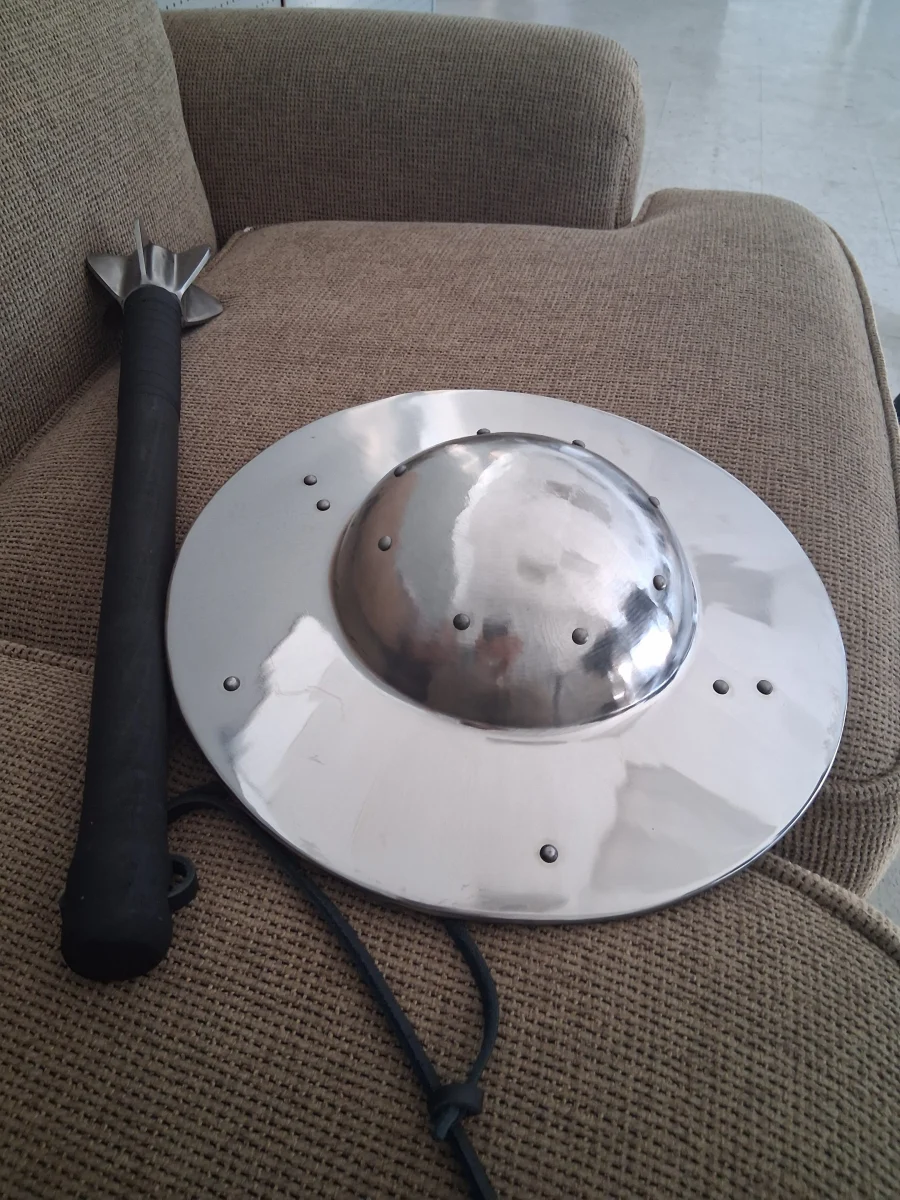
    More than happy with the swords and mace I ordered. Came quickly and was packed nicely

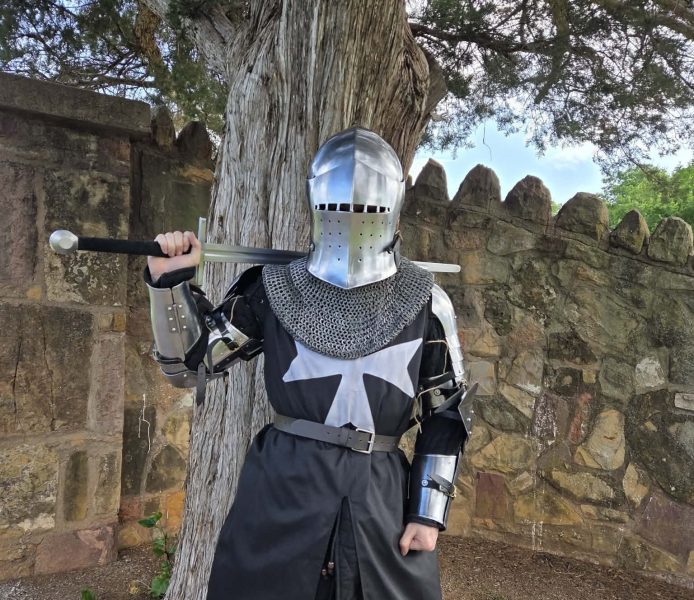
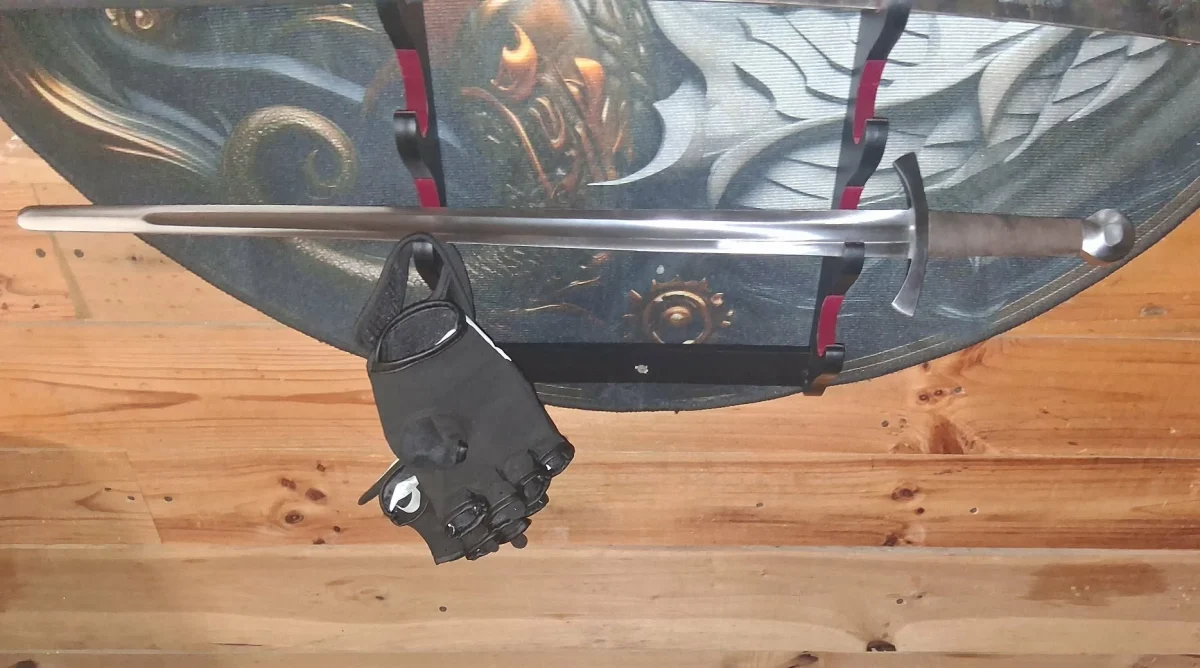
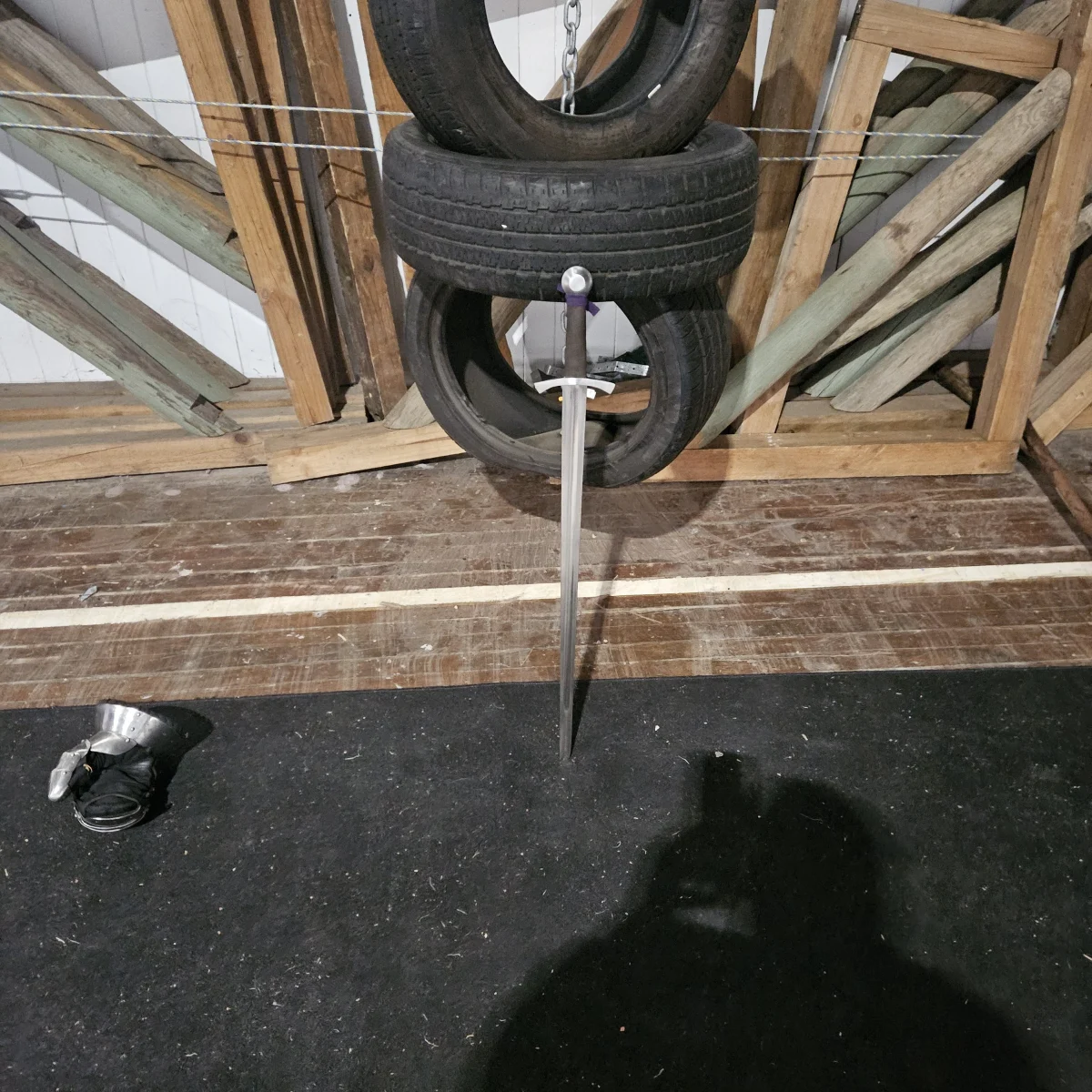
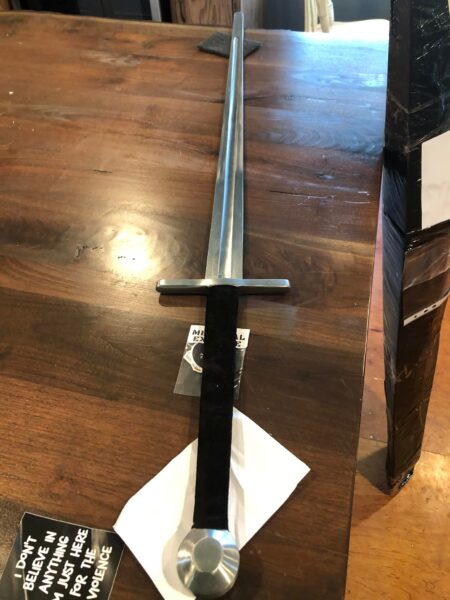
    Image #1 from Jake Mcguire
  2. John Slensby (verified owner)

    Love

  3. stumblingmurph (verified owner)

    Quality sword, has a good balance and weight. Shipping was quick even over the holidays to the US. Will definitely be picking up some more pieces in the future.

  4. Paul (verified owner)

    Just fantastic service as usual sword is well made and quick delivery thanks again to you and your team

  5. Anonymous (verified owner)

  6. aaronbrown0628 (verified owner)

    Sword has been holding up nicely! Very sturdy! Bought it a few months ago when it was in stock! Took awhile to come in the mail because of the war.
    Quality control10/10
    Strength10/10
    Weight10/10
    Handle grip9.7/10
    Blade flex10/10
    Packaging9.5/10
    Overall 9.8/10
    Would I buy it again??
    Absolutely. Am I going to buy another?
    No.
    Im going to buy the advanced version!!
    Medieval Extreme you Rock!

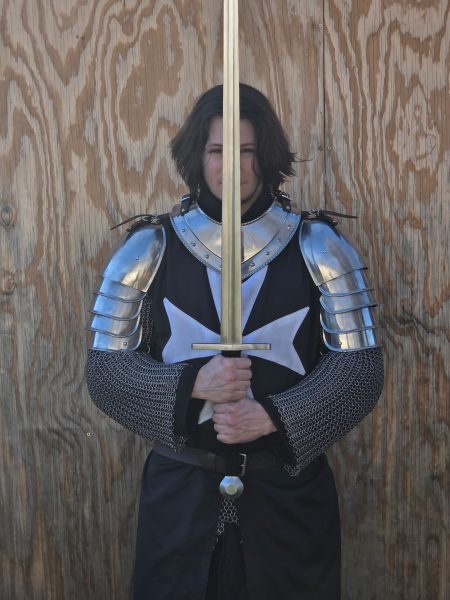
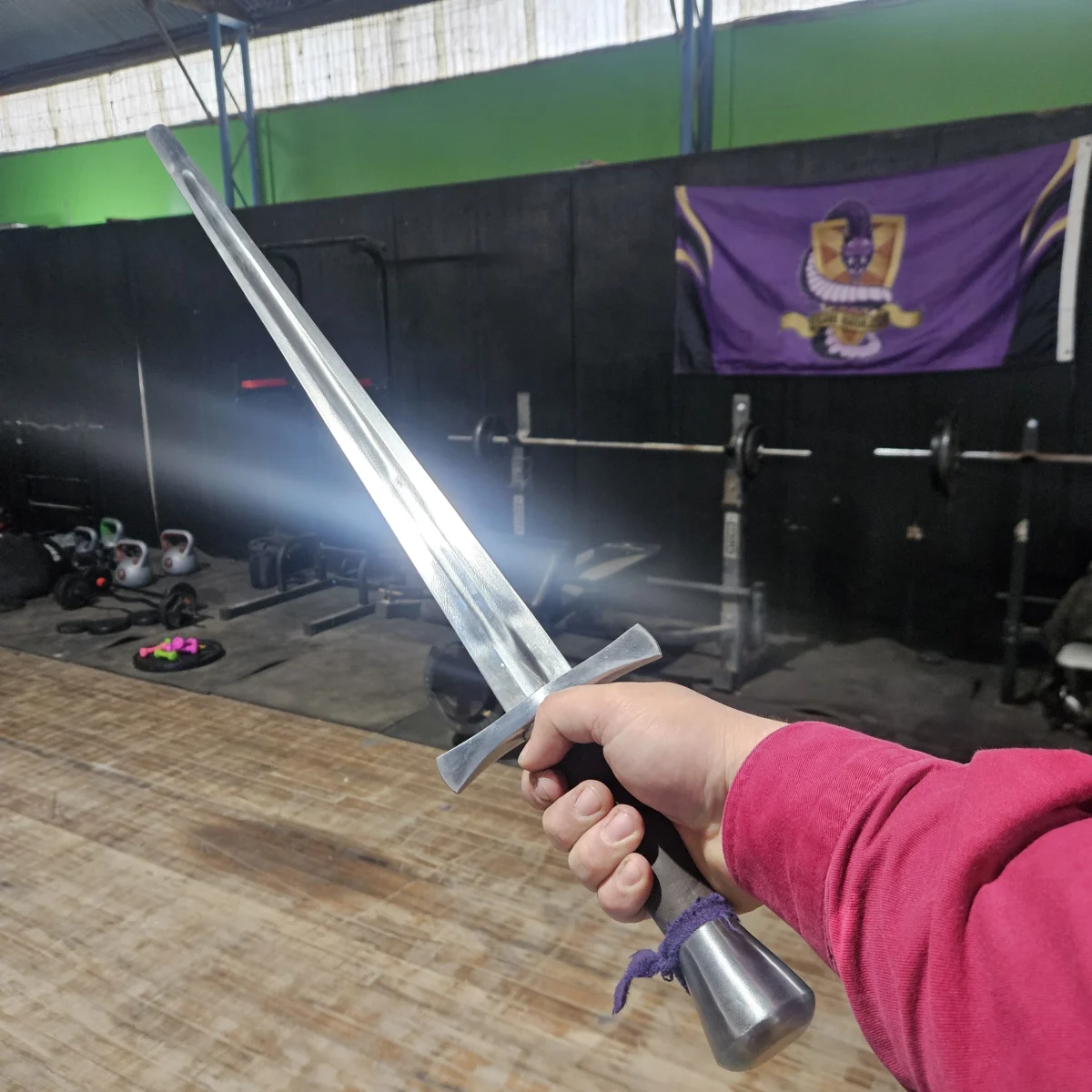
    Image #1 from aaronbrown0628
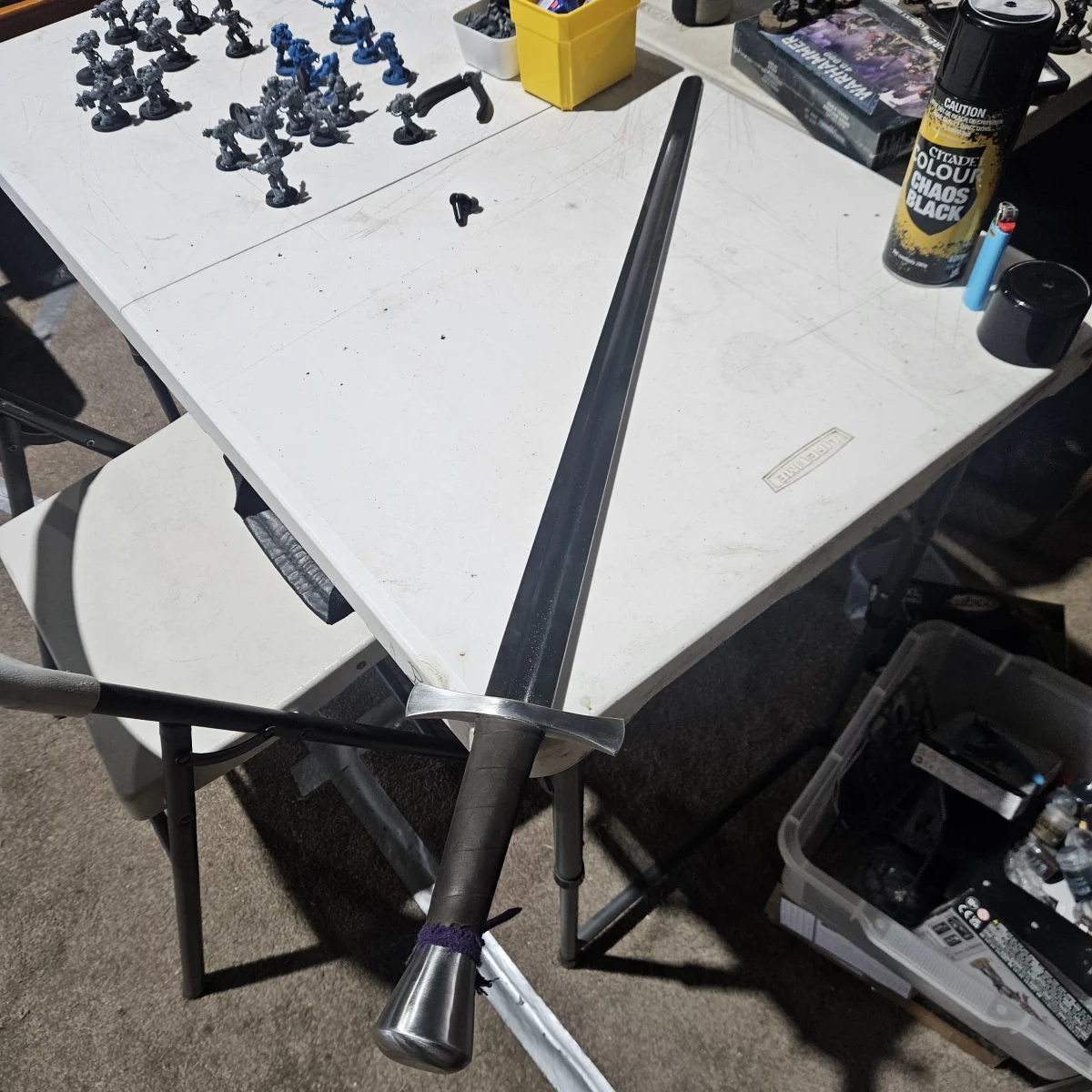
    Image #2 from aaronbrown0628
  7. Andrew Cooke (verified owner)

    Well balanced, and durable. I heard longswords are hard to make well, but mine is super good and easy to use!

Add a review

Your email address will not be published. Required fields are marked *

You may also like…

Basic longsword for armored combat