

Description
Specifications:
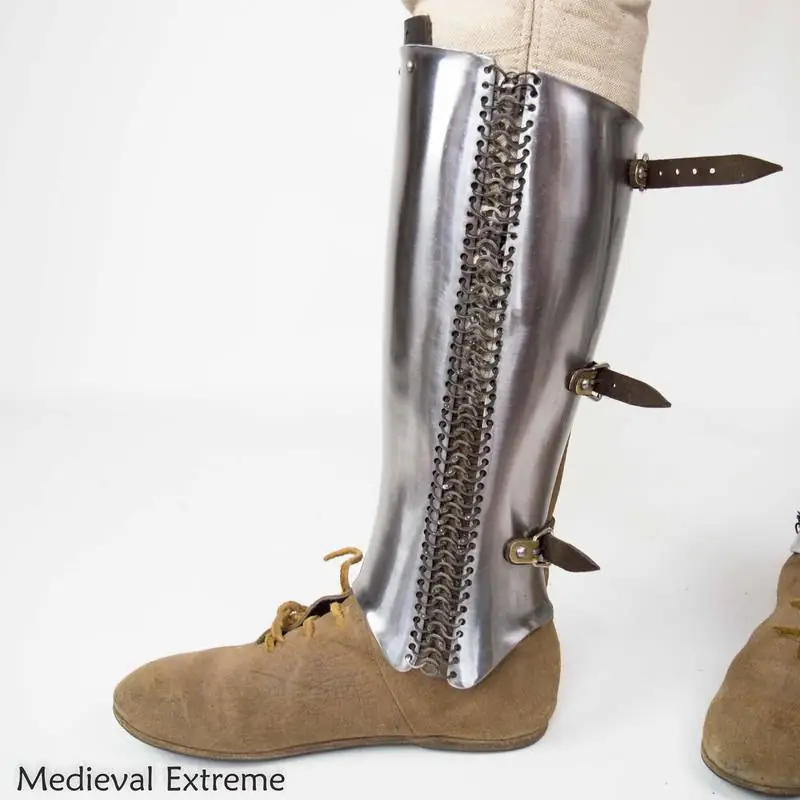
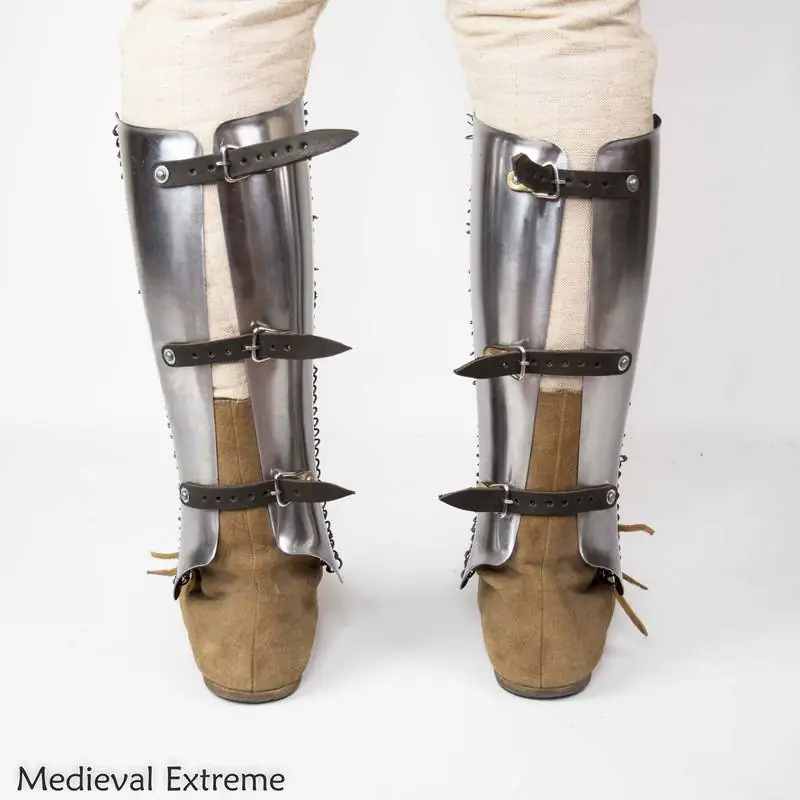
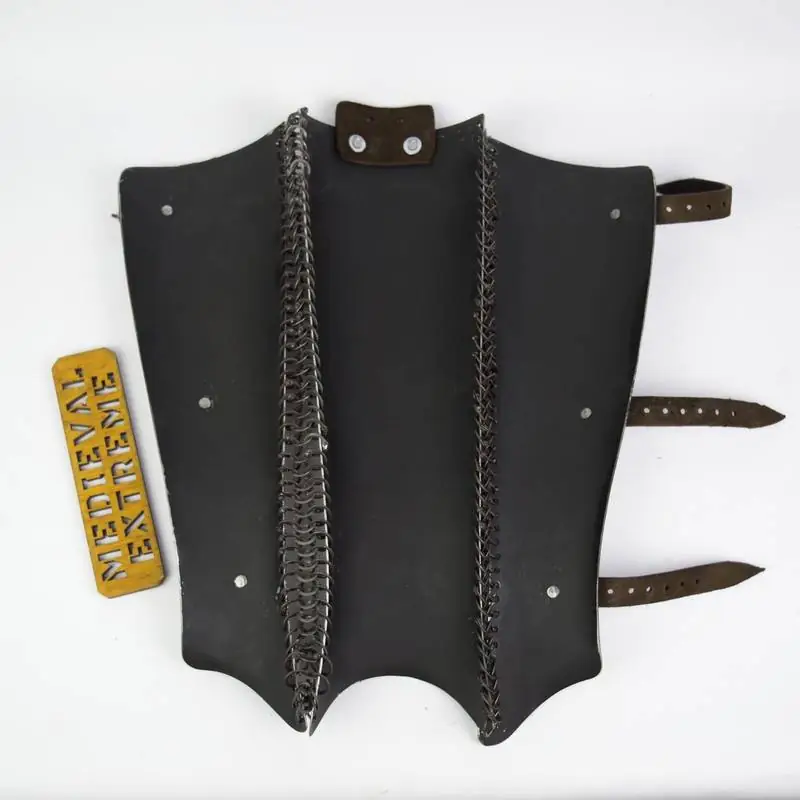
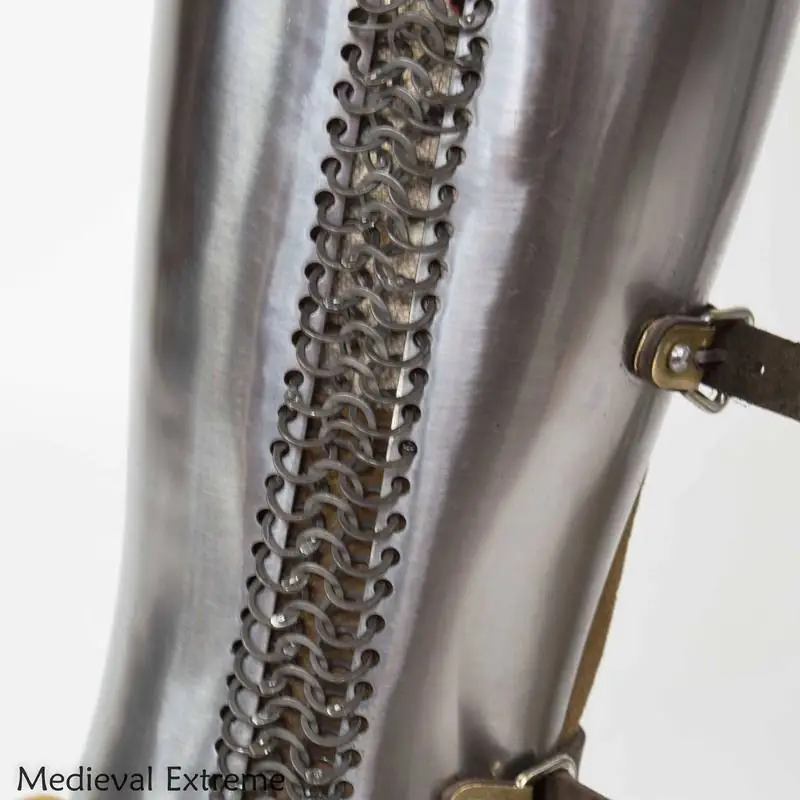
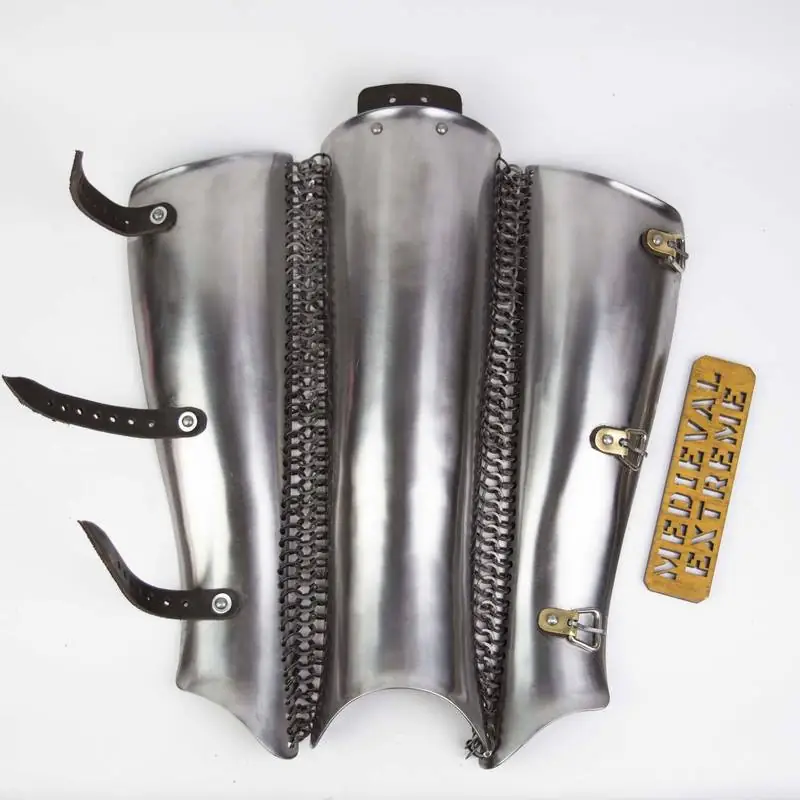
- Material 65G hardened steel
- Thickness 1.5 mm front part and 1 mm side parts
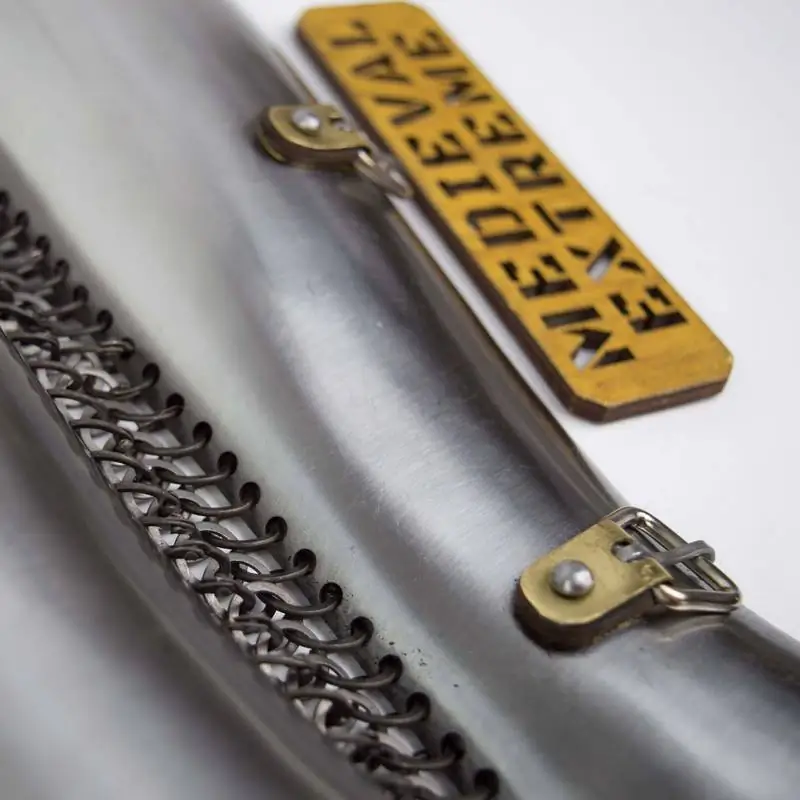
- Riveted rings
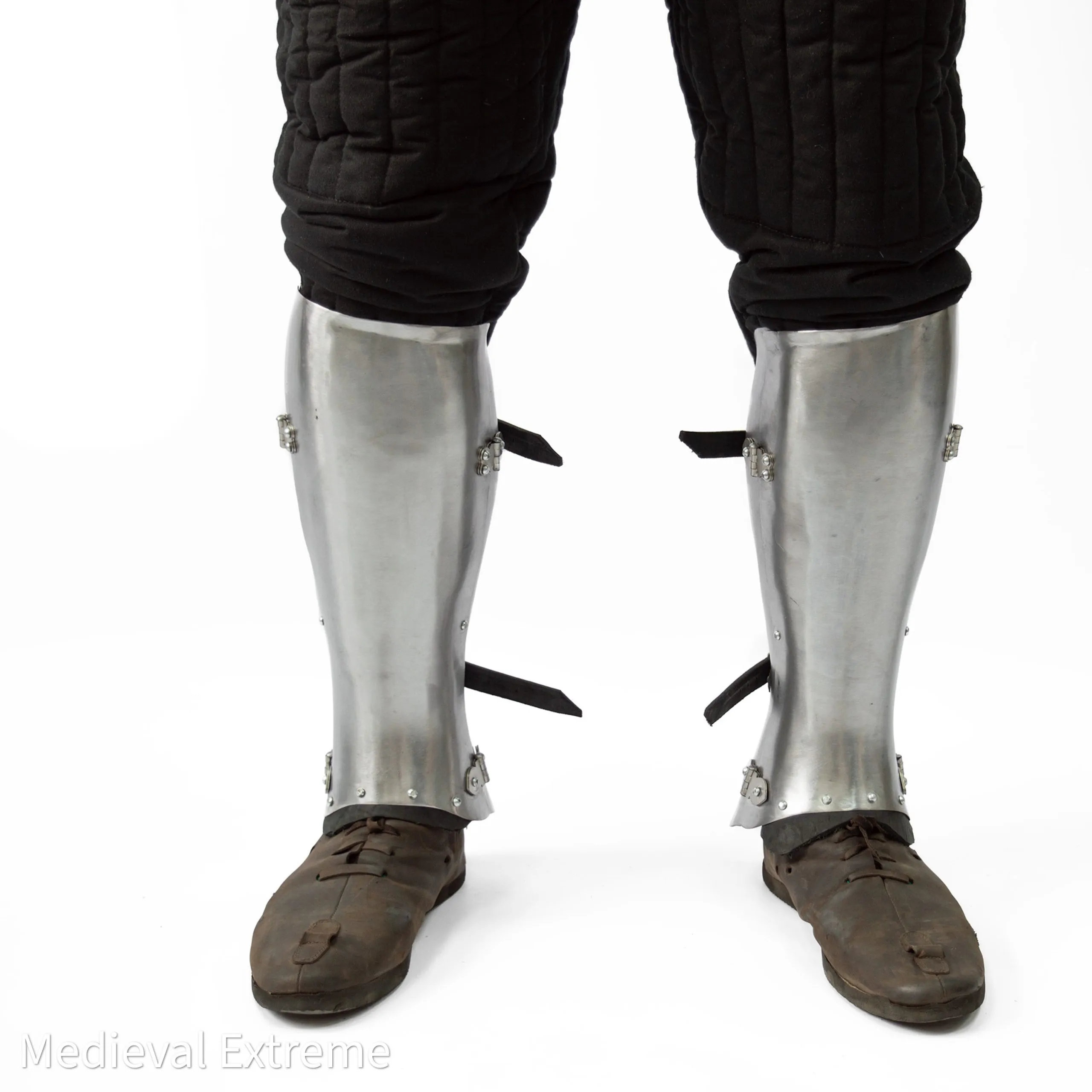
Meet the Eastern Shin Protection Saqband in MedievalExtreme shop.
Traditionally, the military affairs of the nomads of the east relied on fast and agile light cavalry. The battle tactics were based on exhausting the enemy with maneuvering and archery with light cavalry, after which heavy armored horsemen attacked the weakened and demoralized enemy.
For example, the Mongols and various Turkic tribes sought to decide the outcome of the battle at the initial stage of the battle in order to avoid large losses. Mongolian light cavalry fought in loose formation, showering the enemy with arrows. The infantry, as a rule, was not numerous, and was used as an auxiliary branch of the troops. This manner of fighting did not involve the use of heavy armor. The lack of methods for mining and processing iron in Central and Central Asia made the use of heavy full armor almost impossible. The warrior’s protective equipment consisted of a light felt helmet and a robe, which was sometimes reinforced with several metal plates.
In the Middle Ages, the use of lamellar and laminar armor, the so-called “kuyak”, began to be actively introduced into military use. Leg protection was provided by wide skirt-shaped legguards attached to the body armour or to the belt.
Eastern Shin Protection
The real epoch of the heyday of the Central Asian complex of protective weapons was the XIII-XIV century. The military campaigns of Genghis Khan in Samarkand and Khorezm not only redrawn the world map, but also radically changed the appearance of the Mongol-Turkic warrior. The culture of Iran had a great influence on the development of the material and spiritual culture of Central Asia, including the field of military affairs. The fashion for various types of clothing, jewelry and armor, widespread in Herat and Isfahan, spread very quickly from Bukhara to Karakorum. Armor consisting of metal plates interconnected by chain mail rings came into fashion.
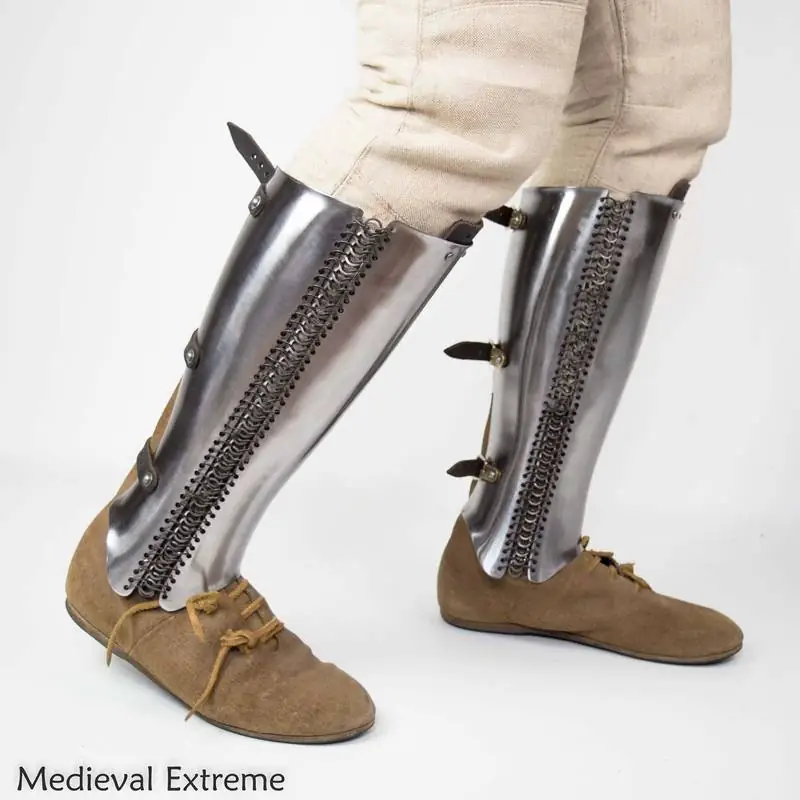
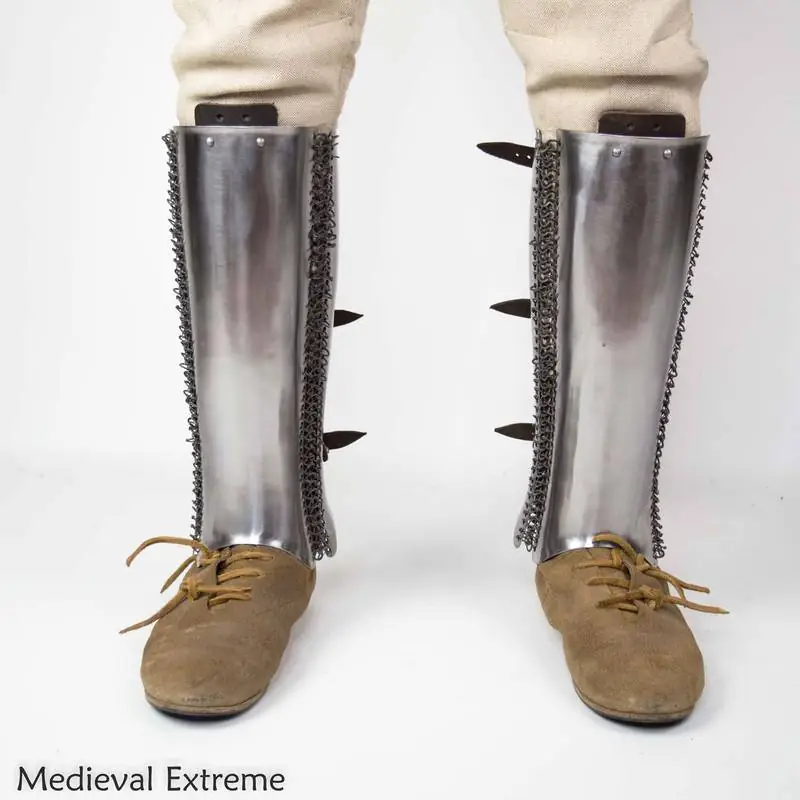
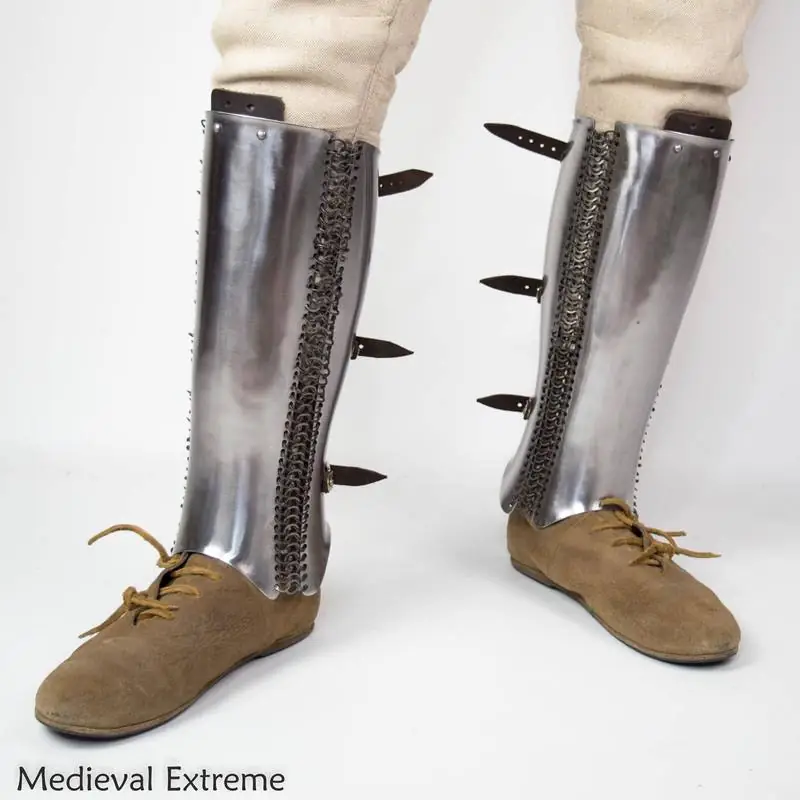
During this period, the main type of shin protection was the iron folding greaves – “buturluks”, connected with hinges or chain mail rings.
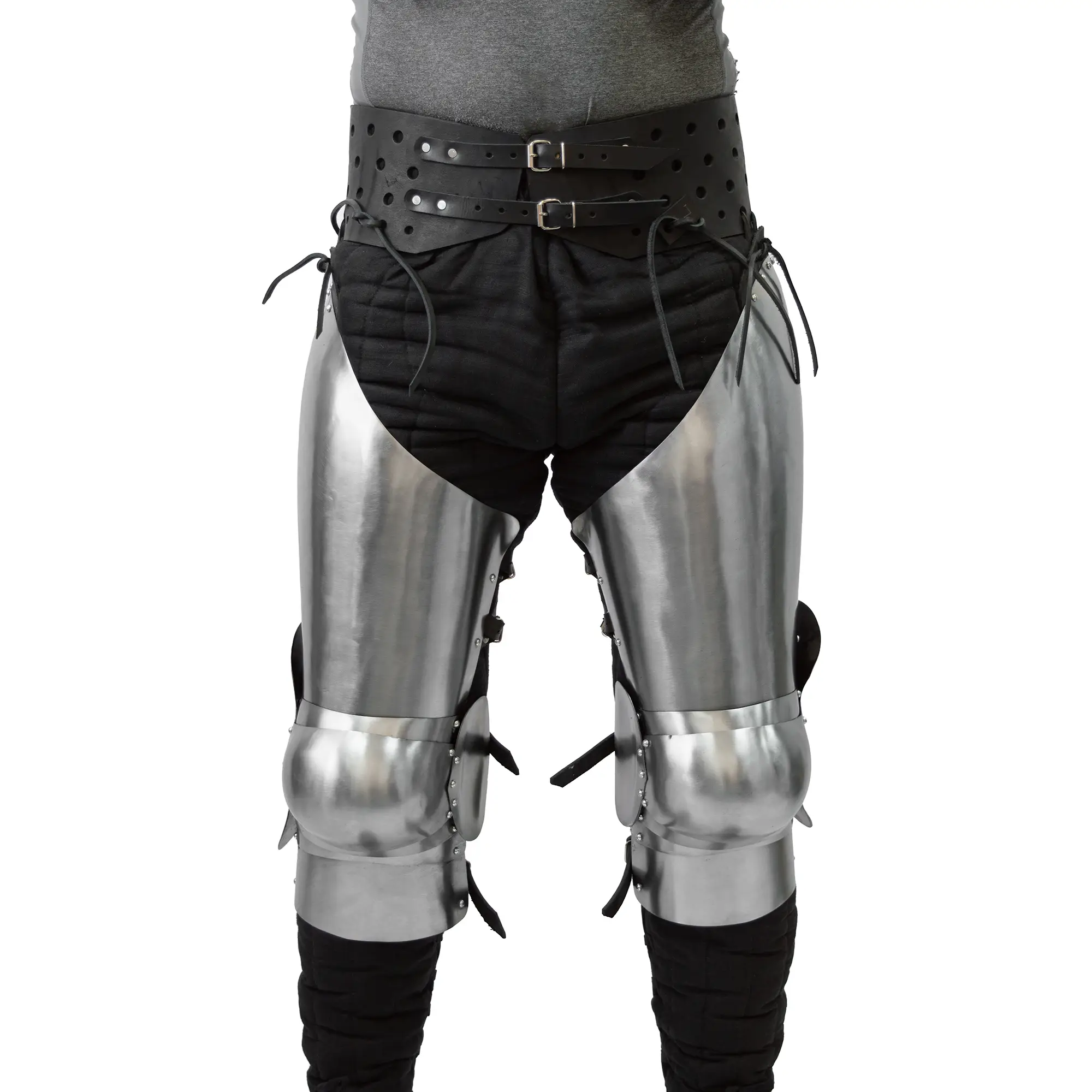
Such protection was quite effective, but it contained one serious design flaw: “buturluks” protected the legs only up to the knees, leaving the thigh uncovered, so the armourers had to supply the laminar shells with long and wide legguards.
They were not only bulky, but not always effective. On the Iranian miniatures of the XIVth-XVth centuries it can be seen that during the battle and the race, the legguards often moved, exposing the hips and knees.
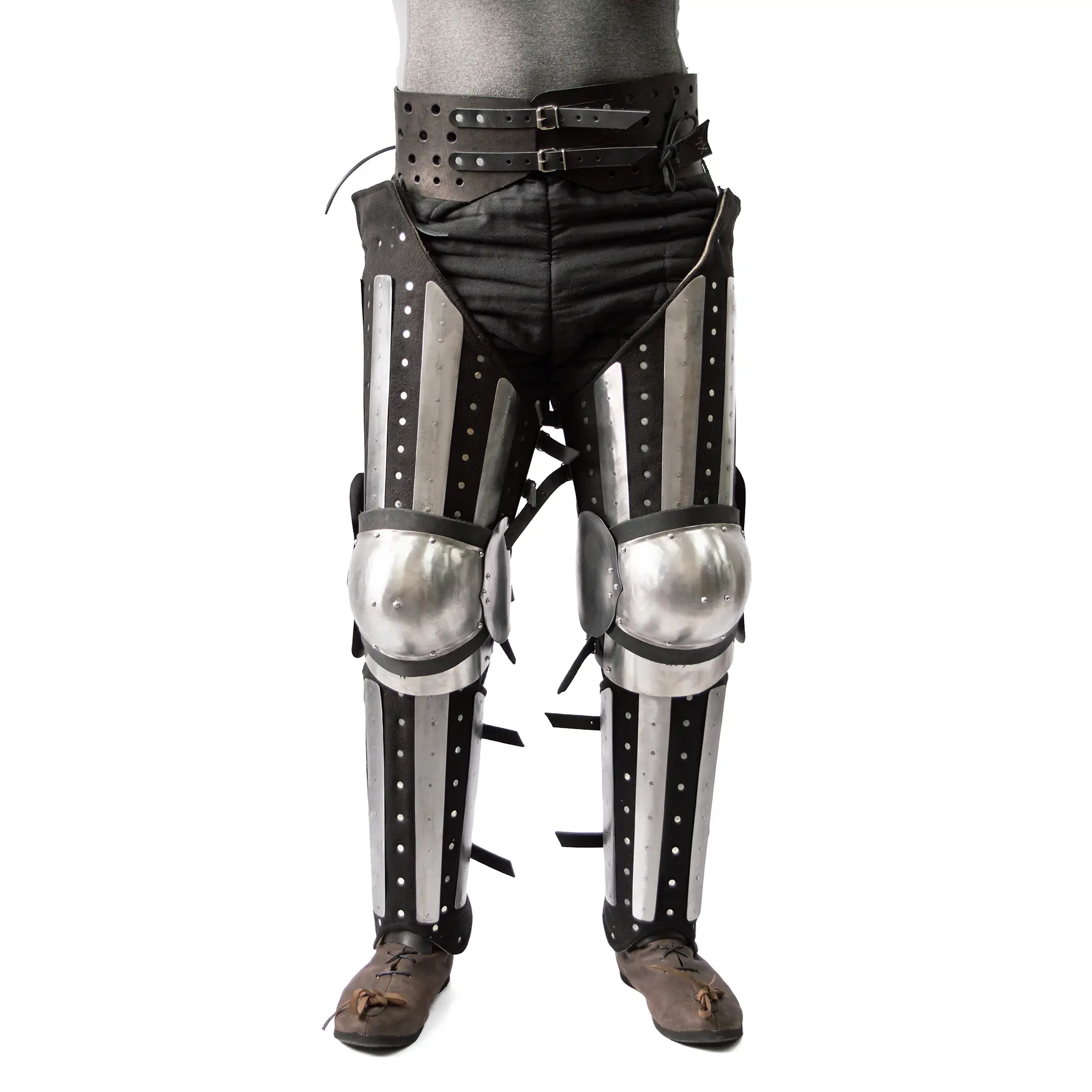
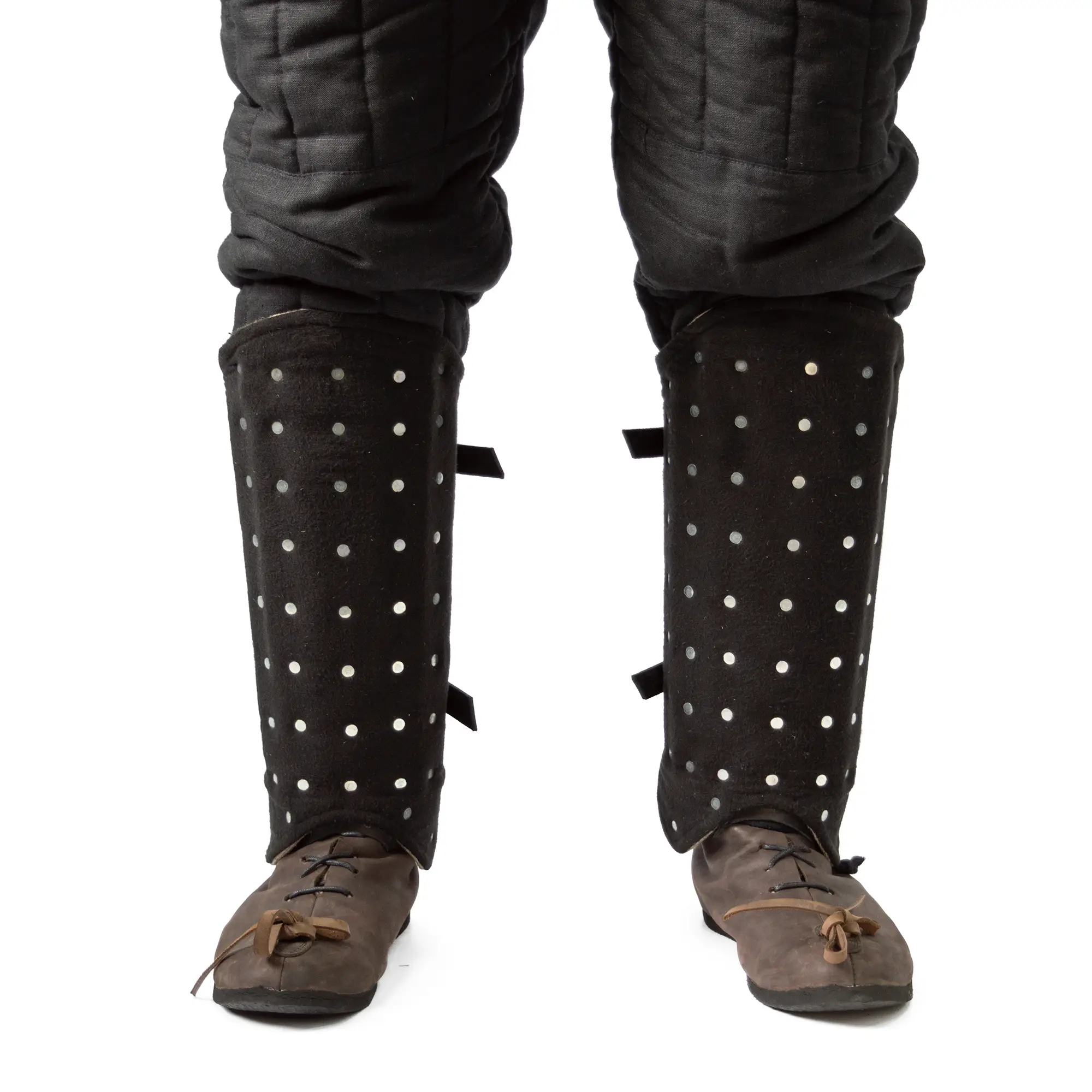
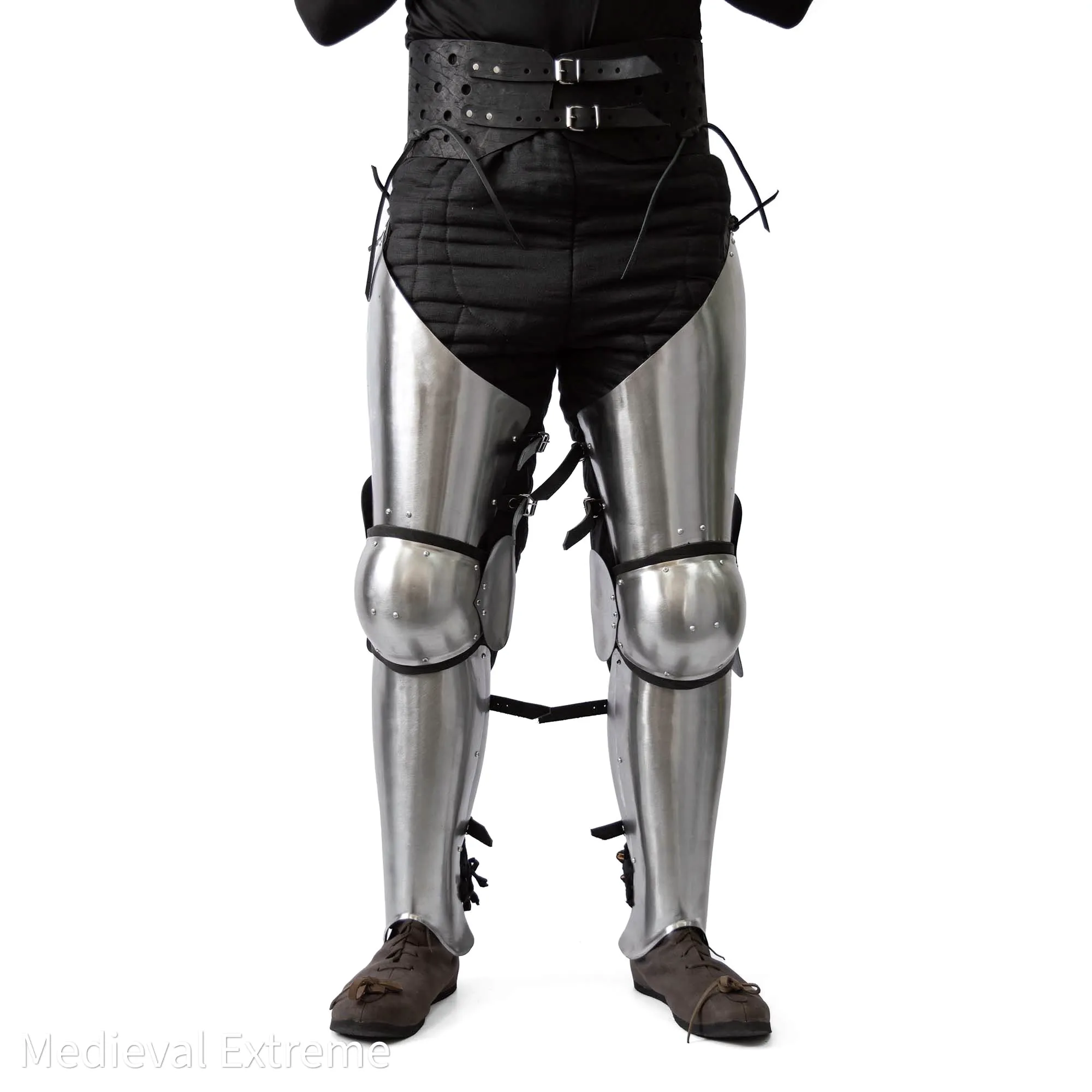
Our “buturluks” are made of hardened spring steel and connected with riveted chainmail. Stylish and anatomical plates provide a great protection rate. We make each pair as a made-to-measure item and would be done according to your size.
![Eastern round shield for armored combat [60x60]](https://medievalextreme.com/wp-content/uploads/2024/06/DSC_12891-Edit-2.jpeg.webp)

Thanks for the fast delivery
As a full blown SHTF-collapse prepper, I actually do train in the 13-14th century Walpurgis MS-i.33 sword and buckler style because I’m looking WAY ahead to the post-collapse future where there’s not only no more modern civilization, but more ammo left after the collapse happens- don’t laugh, we all have our beliefs about where society’s headed.
Anyway:
Why I train is because in my view, everyone will then be forced back to full melee weapons in the post-SHTF world.
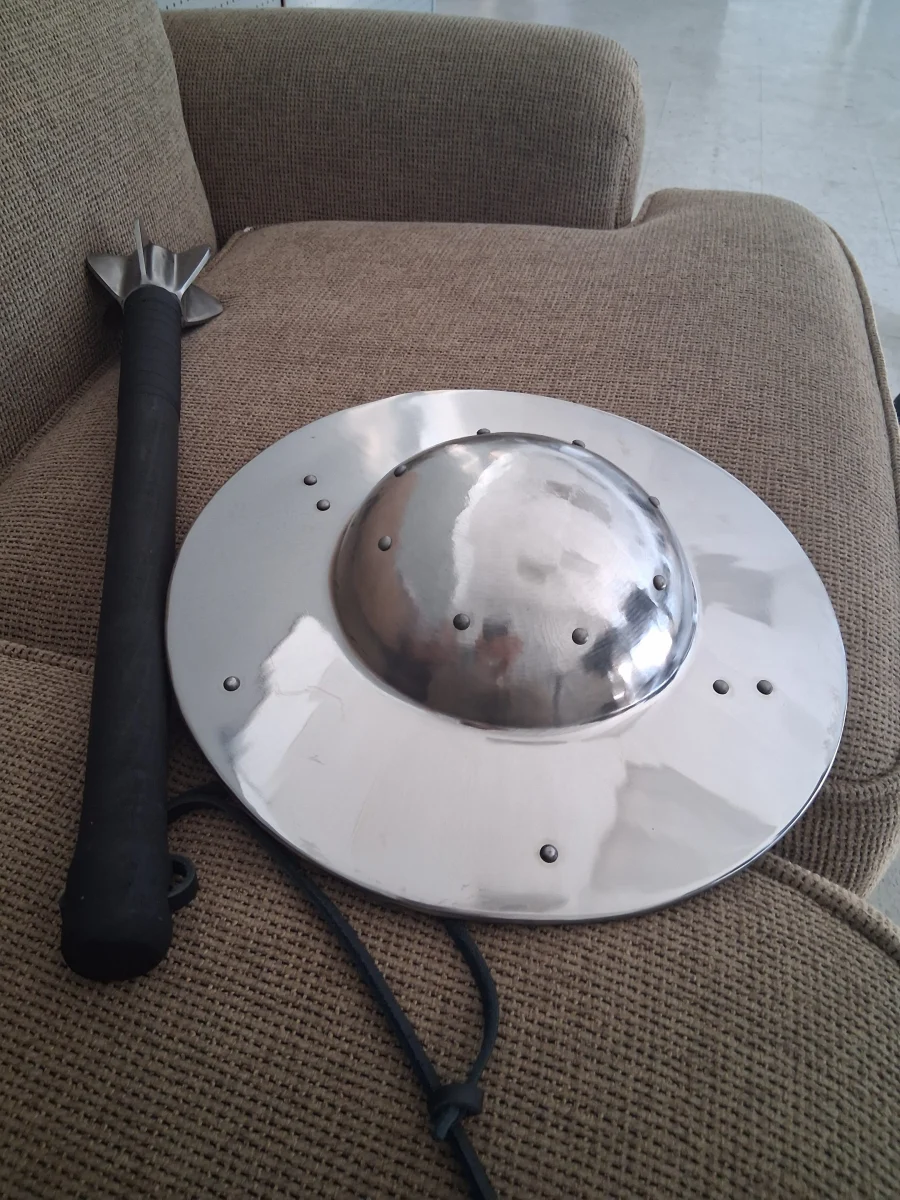
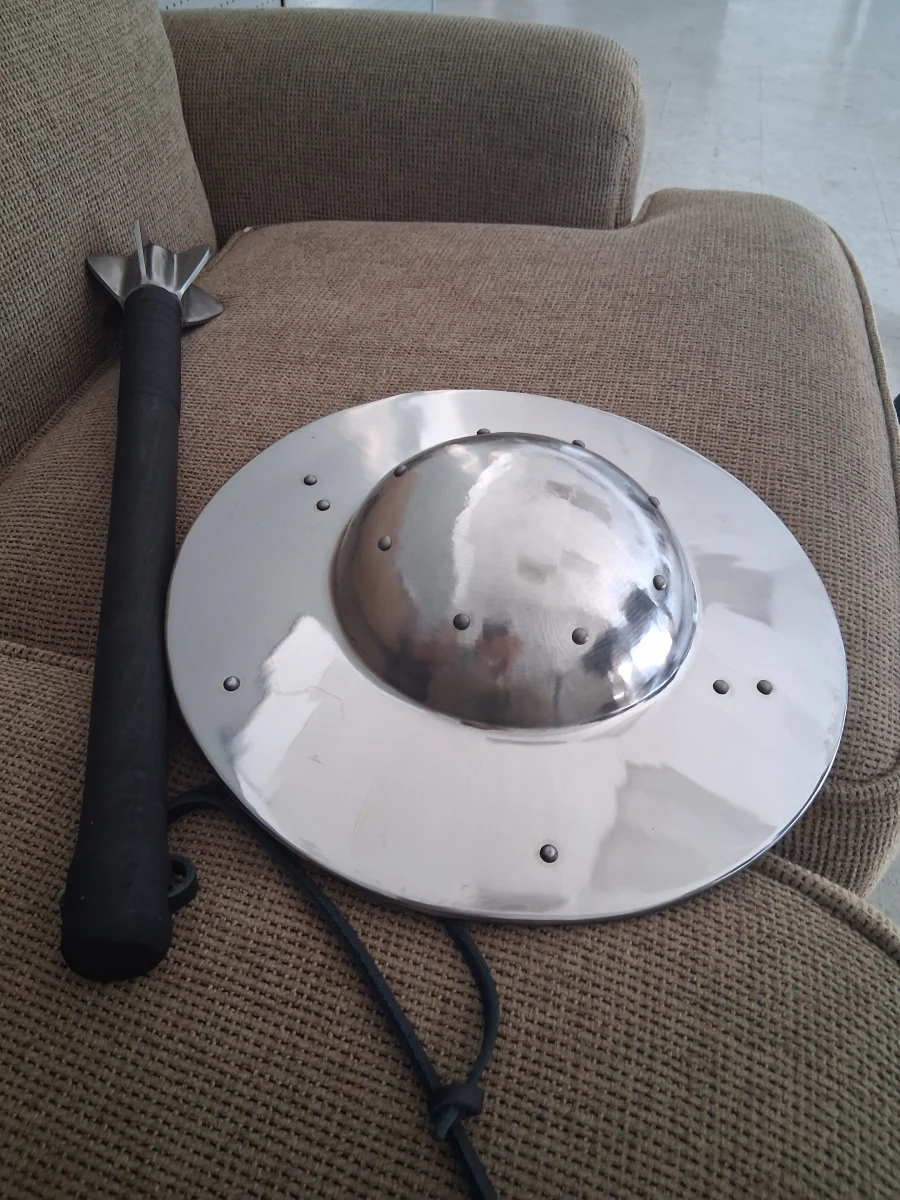
So I got this shield for myself and immediately dropped it in a huge tub of gun-bluing solution to turn it black, and it turned out VERY nice. Also Not only does it now LOOK scary from being all black, but in the heat of the sun I can press its hot surface against the faces or hands of SHTF looters who attack me… and it’ll cause possible 2nd-degree burns to make them stop coming at me – but that’s not the main thing;
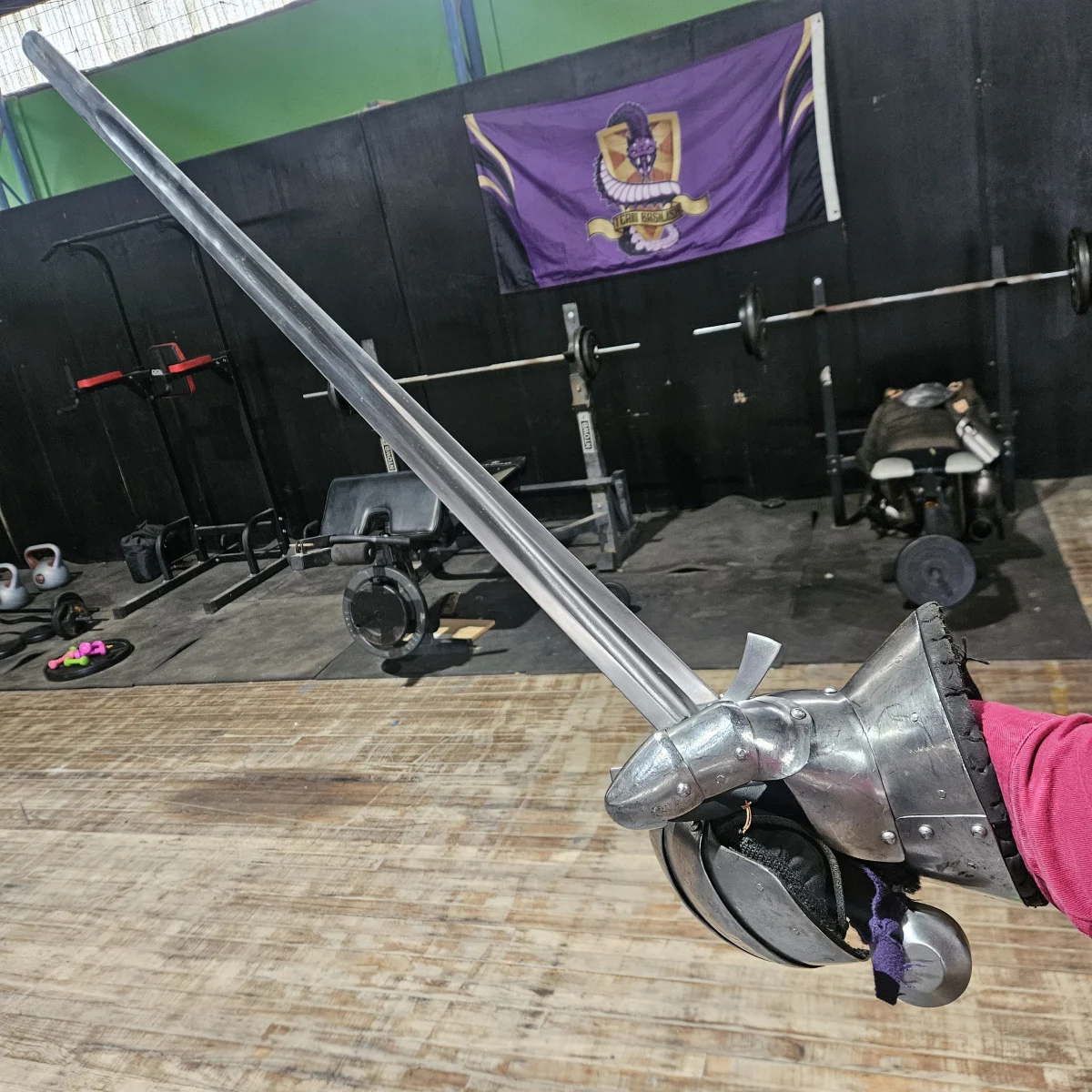
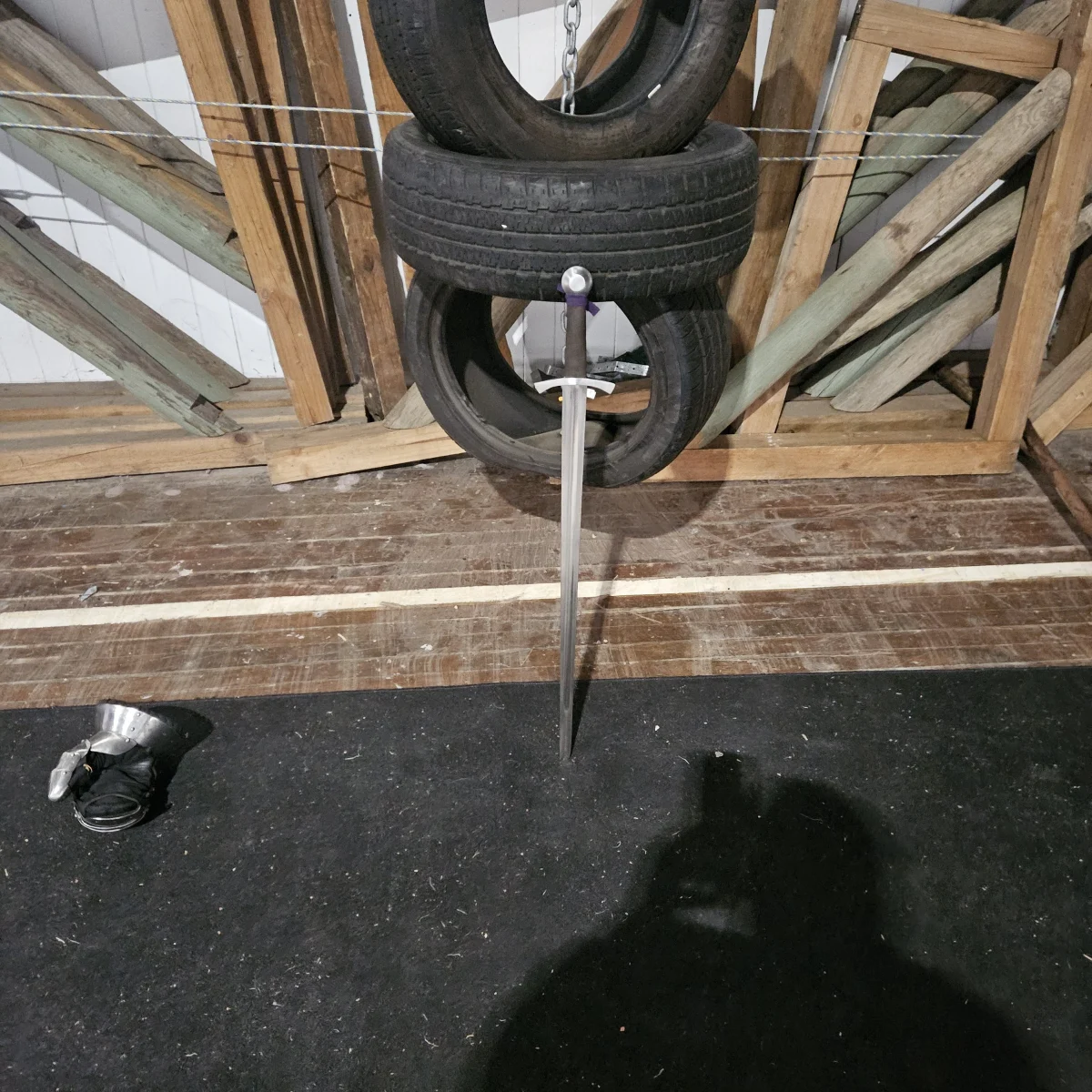
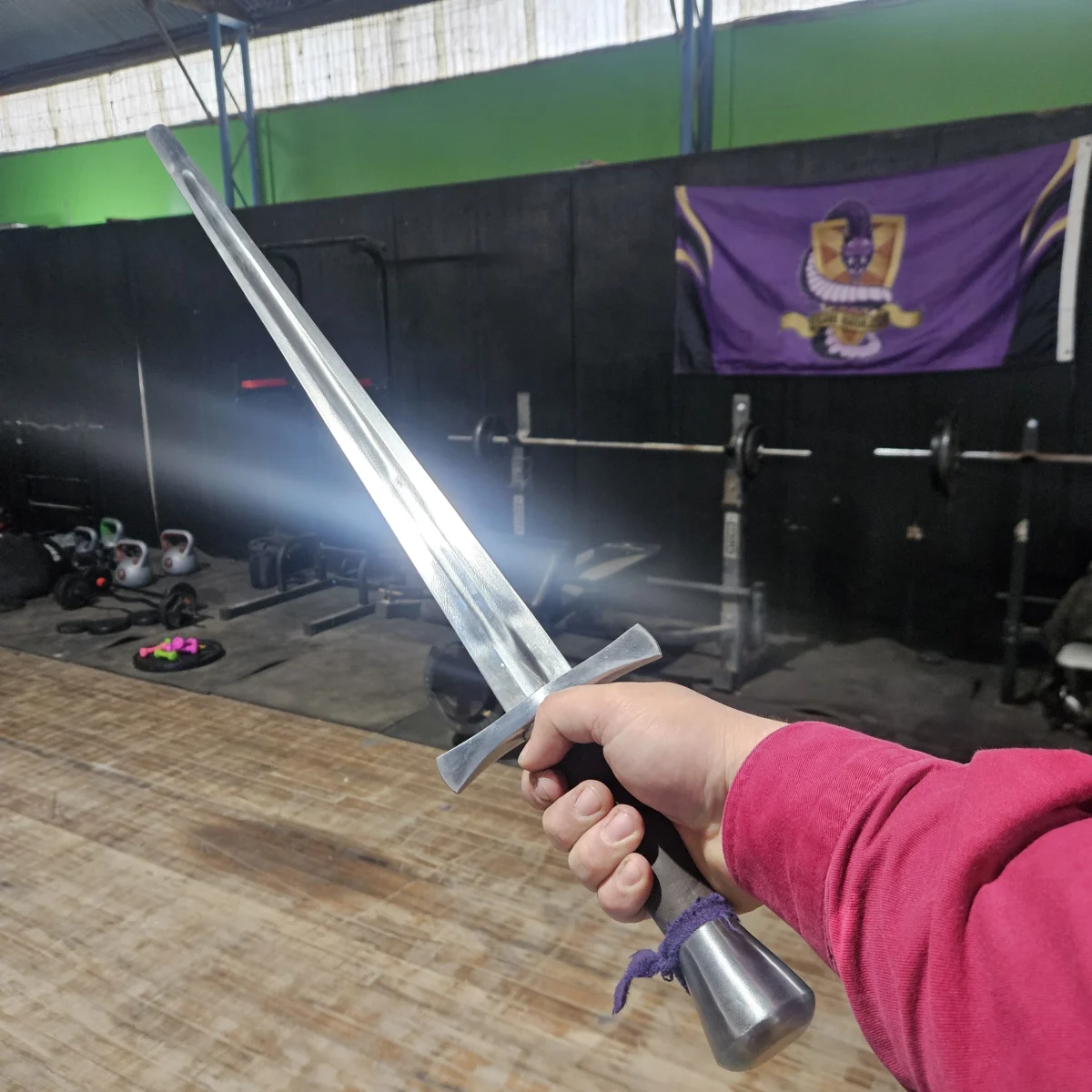
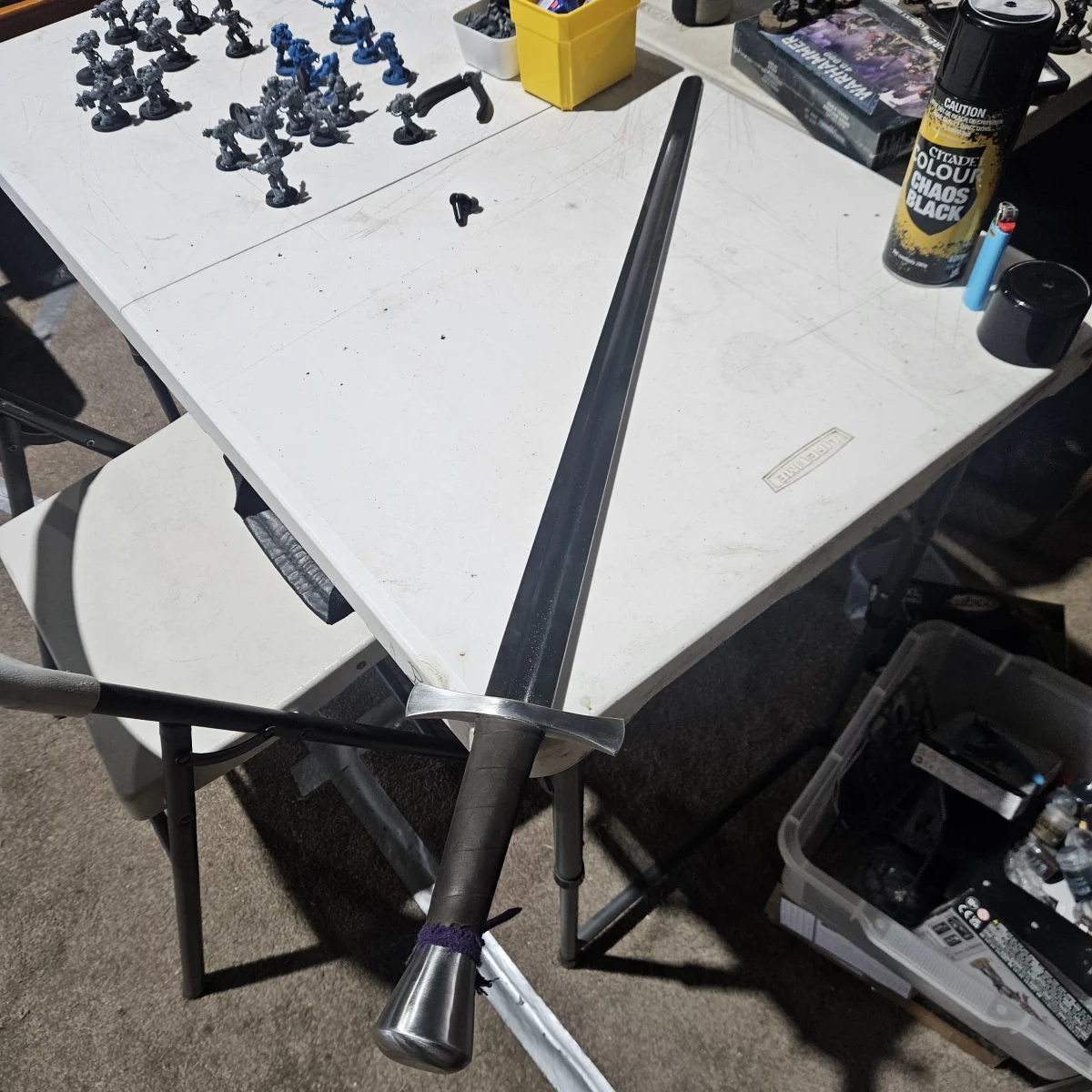
The point is, I already have my fully sharp combat-grade 1-handed arming sword as part-1 of the centerpiece of my core SHTF defense arsenal. So all I needed then was a buckler shield that was made for actual fighting to go with it, thereby becoming part-2 of that same centerpiece.
Now I have this steel buckler, and I am NOT disappointed.
See, if you review all the raw footage of all the melee street fighting during the Charlottesville thing, then the George Floyd riots and the entire summer of 2020, people DID make their own clubs and smaller melee shields, and they did use them on the streets during the riot violence. Some groups of rioters even painted their shields with different colors, patterns and symbology – they organized their sub-groups into defacto segmented units under ‘team colors & logos,’ thereby designating specific divisions of their hordes (just like specific knightly orders did in medieval times to denote which lord’s banner they were fighting under).
So imagine THAT horror, in unending perpetuity, continent-wide, with no inhibitions due ot the total disappearance of ALL law and order, once modern civilization fully and permanently collapses.
Once everyone else has used up all their last remaining ammo on each other (from which I will be far away in safe hiding instead of being a part of it), whoever’s left will break out their mechetes and homemade shields again, take to the streets, and do whet they’re gonna do.
But how many of them will have a professionally made hardened steel buckler like this, that’s literally made for full blown lawless combat? I’ll have mine, but a lot oftheirs will be pvc plastic or plywood.
AND, most all of them will have no official HEMA training like I will, let alone the canon arsenal for it like me.
And I’m not planning on LOOKING for trouble once SHTF starts or anything, nor am I gonna go out LOOKING for conflict like this to take part in by intention, don’t worry. But we all now that trouble will come looking for us whether we want it or not, when the streets are once again full of violent looters in paintball masks & hoodies with their mechetes and homemade wooden or plastic riot shields and baseball bats as war clubs.
The least I should do then, is get prepared to at least attempt to survive that chaos on my way out fo the city whiel the getting’s good. But I’d be a fool to think that my EVERY effort to avoid all hostile human contact before I make it out of the population center alive will ALWAYS be successful – I have to be equipped and trained to fight well when John-Q-Hoodie-Thug spots me despite my trying to stealth my way out into the less populated high country beyond the city limits.
I’m therefore SOOOO glad I have this shield to go with my Arming Sword & matching companion dagger. This thing will save me, when you really look into why the MS-i.33 sword & buckler fighting system requires a thorough understanding of geometry & angles, etc for proper use of the buckler shield against an enemy’s weapon (such as a rioter’s mechete in the streets).
NOW AS FOR THIS SPECIFIC SHIELD ITSELF:
It just FEELS strong in my hand, yet surprisingly not so heavy when hung on the left side of my belt, just behind where the handle of my sword is. And when hanging there, I actually almost don’t even feel its weight hanging from my hip.
As for its strength… I’ve already busted up cinderblocks with it, smashed through glass bottles, and even severely dented up other things made of various metals with it.
THIS IS AN OFFENSIVE WEAPON AS THE MS-i.33 SWORD & SHIELD STYLE TRAINS IT TO BE, NOT JUST A BARRIER TO ENEMY ATTACKS – and DANG SURE, THIS IS NO WALL DECORATION!
So I can tell anyone who’s still considering buying this type of shield but hasn’t done it yet: GET YOURS FROM MEDIEVAL EXTREME. THEY MAKE WEAPONS, NOT WALL DECIRATIONS. And I’m grateful to them for it.
Whatever you want a buckler shield for, this is your strongest candidate if you want one that’s worth having.
Thank you.
Durable and surprisingly light. Thank you!